



The search for a truly extra soft mattress is a quest for pure comfort, but finding the right balance between "plush" and "supportive" is essential. The truth is, a high-quality mattress soft to the touch isn't just about feeling luxurious; it's about providing necessary pressure relief for specific body types and sleeping positions.
The Soft Mattress Guide: Is It The Right Fit For You?
DEC 10, 2025
Last updated: JUL 22, 2026


985 views, 4 mins read
If you’re searching for a soft mattress that feels plush, cloud-like, and gentle on pressure points, you’re not alone. Many sleepers in Australia prefer a softer bed for comfort, deeper contouring, and a relaxing “sink-in” feel after a long day. The challenge? Not every soft mattress is the right fit for every type of sleeper.
In this guide, we’ll walk through who should choose a soft mattress, how to know if it’s right for your body, the best soft mattress in Australia, and answers to common FAQs. Whether you need a soft queen mattress, a soft double mattress, or something ultra plush — this guide has you covered.


In this article
Who is a Soft Mattress Best For? How to Quickly Know if You’re a Candidate?
Who Should Absolutely Consider a Soft Mattress?
A soft mattress works wonders for sleepers whose bodies need to sink in a little deeper to maintain proper spinal alignment.
1. Dedicated Side Sleepers
If you spend 70% or more of your night sleeping on your side, a soft mattress is often your best friend.
The Problem: When a side sleeper lies on a firm surface, the hard mattress pushes back aggressively against the widest points of the body—namely the shoulder and the hip. This creates painful pressure points and forces the spine to curve unnaturally (like a banana).
The Solution: An extra soft mattress or a soft landing mattress allows the shoulder and hip to dip down slightly, ensuring the spine remains straight from the neck all the way to the tailbone. This deep contouring relieves pressure and improves circulation.
2. Lighter Individuals (Under 130 lbs / 59 kg)
Body weight is one of the most important factors when selecting the right mattress firmness.
The Problem: Lighter individuals often do not have enough body weight to effectively compress the upper comfort layers of medium or medium-firm mattresses. As a result, they end up resting mostly on the firmer support layers underneath, which can feel uncomfortably hard.
The Solution: For this group, a mattress labeled “soft” by the manufacturer often feels like a medium-firm mattress would to an average-weight person. A soft queen mattress made with lower-density foam layers offers the contouring and comfort needed for proper pressure relief.
3. Those with Joint Pain (Shoulders and Hips)
If you regularly wake up with joint pain—especially around the shoulders or hips—a plush mattress can make a noticeable difference.
Soft top layers, particularly in memory foam or latex mattresses, help distribute your body weight across a larger surface area. This significantly reduces concentrated pressure on sensitive joints like the hips and rotator cuffs, promoting better sleep quality and comfort.

How to Know a Soft Mattress Is Right for You — Quick Self-Check
- You mostly sleep on your side
- You wake up with hip or shoulder pain
- You prefer the feeling of “melting into the bed”
- Your current mattress feels too firm or “board-like”
- You’re lightweight and feel like you’re lying on the bed, not in it
- A soft mattress may not be ideal if you are over 100 kg or a strict back sleeper — unless it has zoned support or strong foam density.
Best Soft Mattress in Australia for Better Comfort
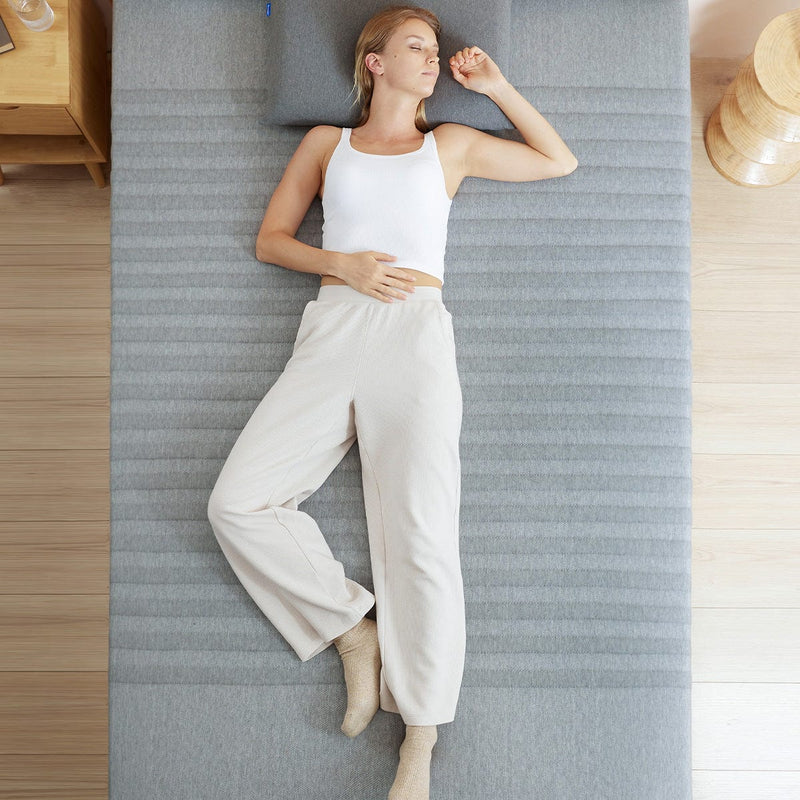
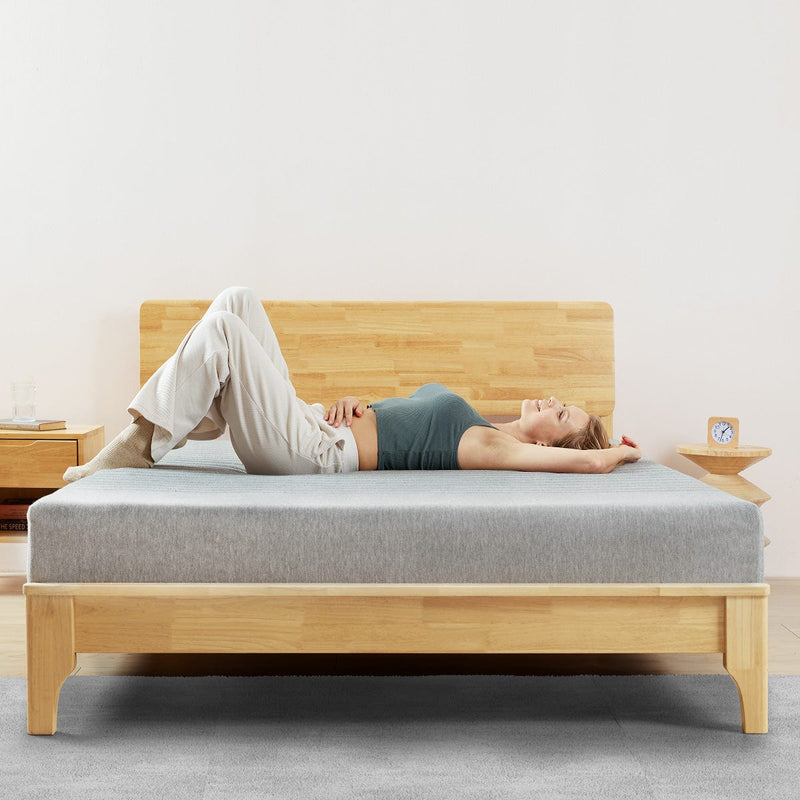
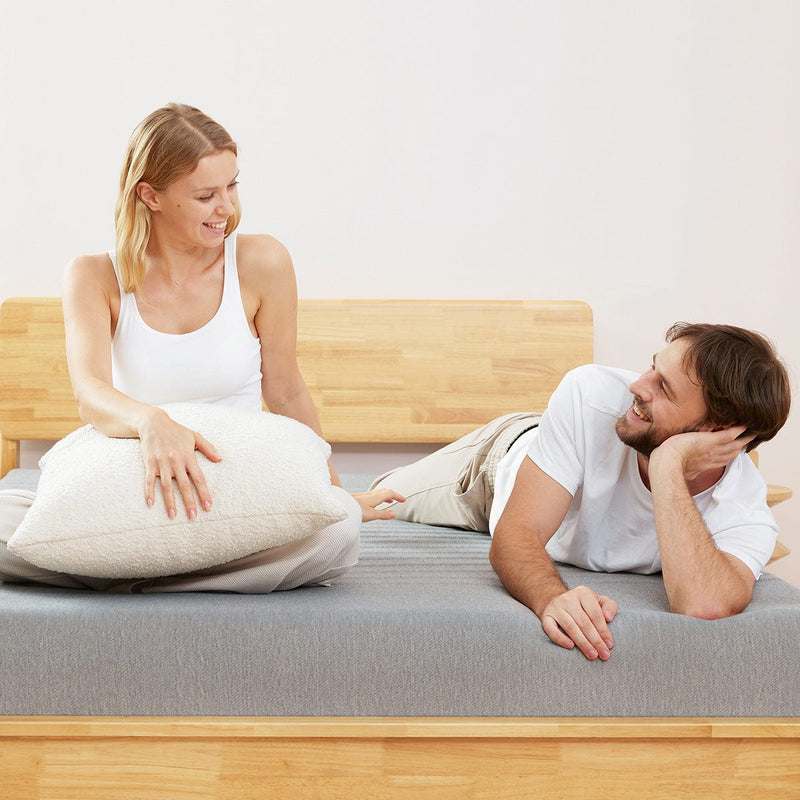
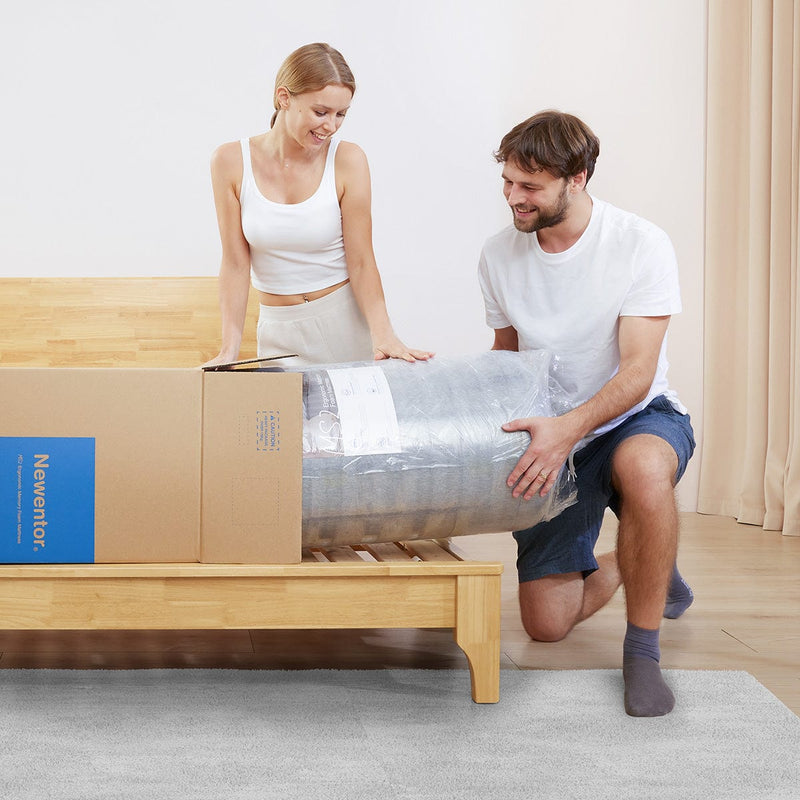
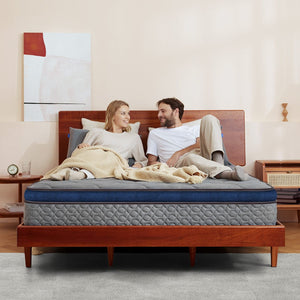
The Newentor Hesperis is one of the best soft mattresses in Australia, especially for sleepers who want the freedom to adjust their comfort level. Designed with a multi-layer all-foam system, you can easily rearrange the layers to create a softer, plusher feel or switch to a slightly firmer setup whenever your body needs more support.
To enhance overall comfort, the mattress is engineered with 7-Zone ergonomic cuts that contour to different parts of your body—providing softer cushioning around the shoulders and firmer support around the hips and lower back. Its symmetrical design also allows you to rotate and flip the mattress for longer-lasting performance and even wear.
The premium memory foam offers quick rebound, excellent stability, and gentle pressure relief, helping your body relax into deeper sleep. Every material is chosen with safety and durability in mind:
- Foams: CertiPUR-US® certified (low VOCs, no harmful chemicals)
- Cover: STANDARD 100 by OEKO-TEX® certified (skin-safe and breathable)
Plus, you get 120 nights of risk-free trial and a 10-year warranty, making it a worry-free upgrade to your sleep comfort.
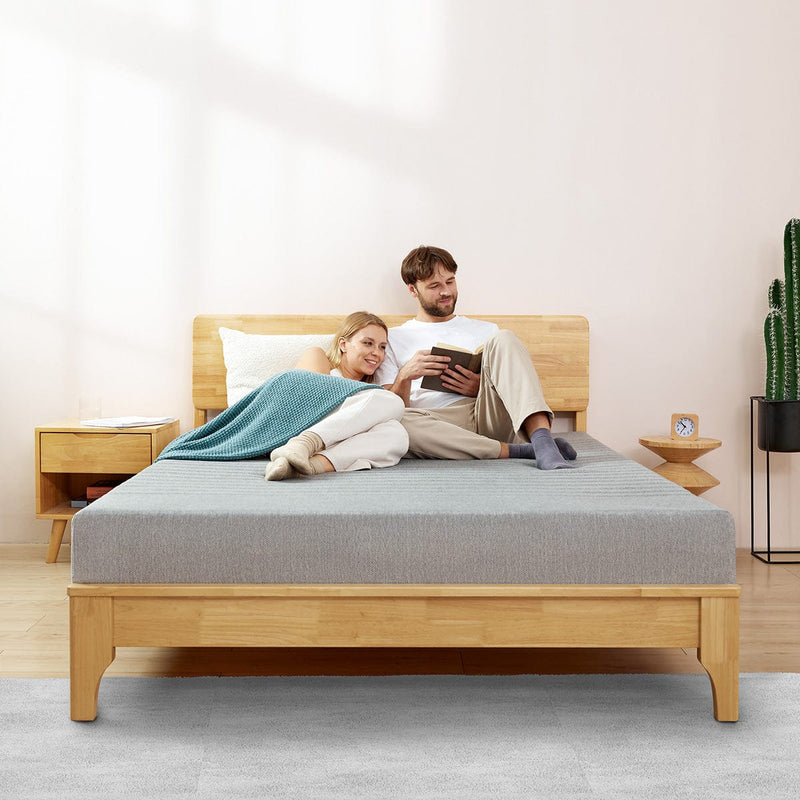
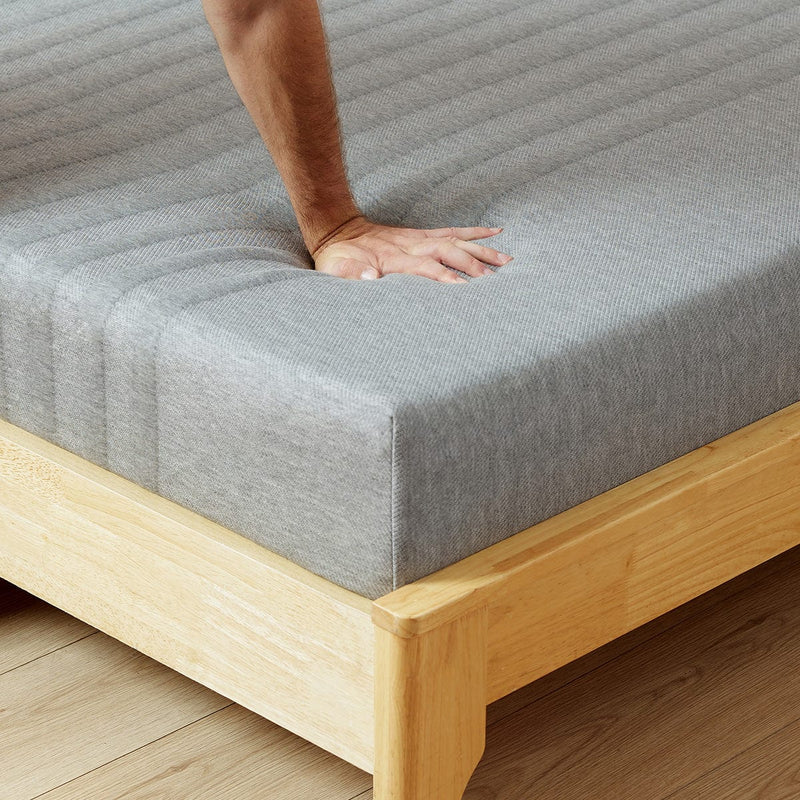
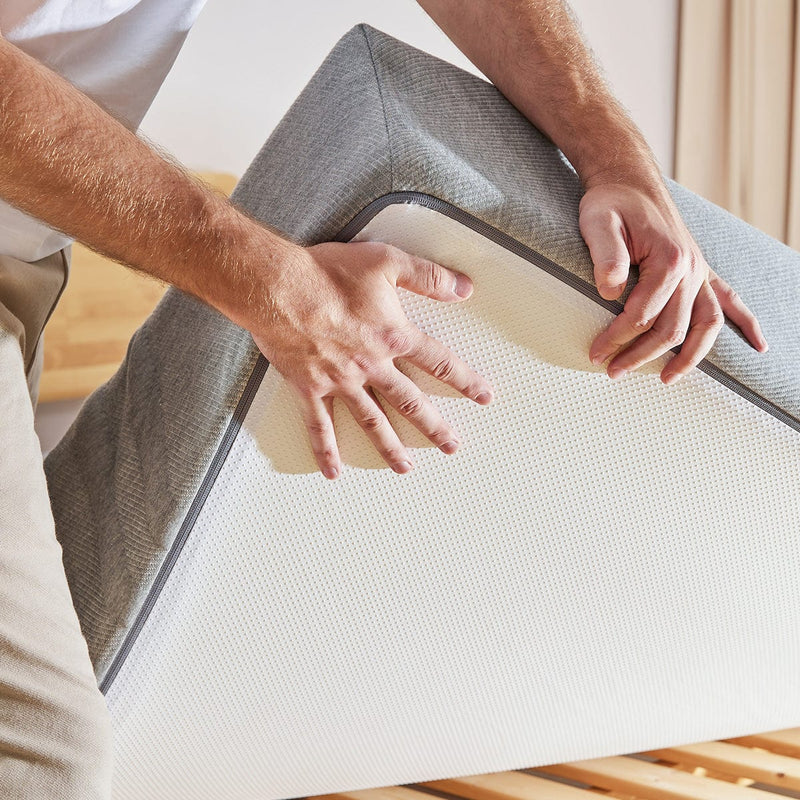
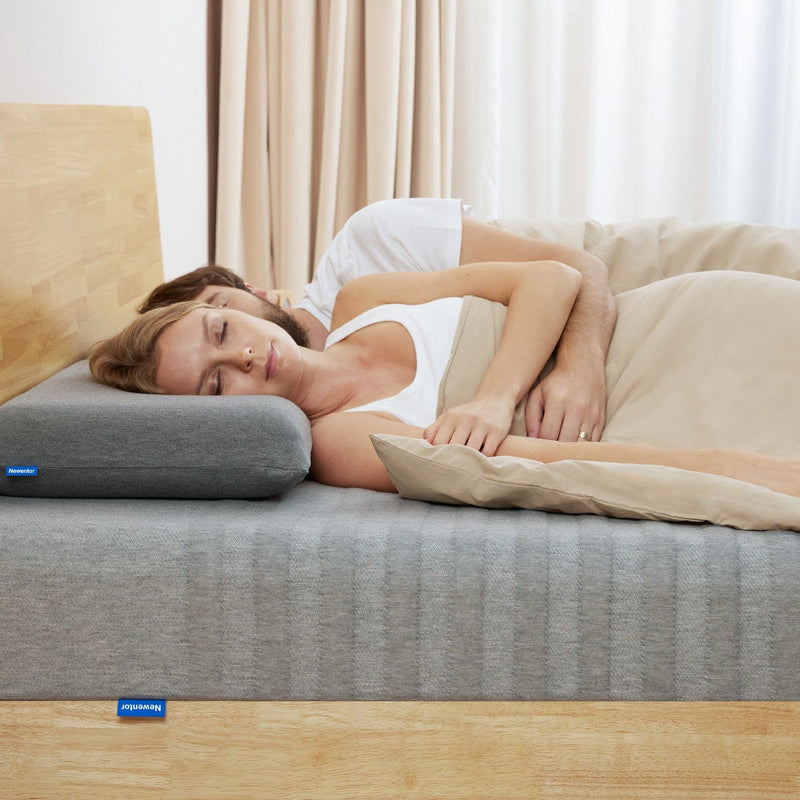


Newentor Hesperis Memory Foam Mattress
$528.00
$880.00
Save
$352.00
Out of Stock
- 120 nights free trial and 10 years warranty.
- 7 Zone Body Support.
- 4 Hardness Levels.
- Coconut Fiber.
- CertiPUR-US® Certified.
How to Make Your Firm Mattress Softer?
What if you've already invested in a firm mattress and now realize you need that "cloud" feeling? Instead of buying a whole new bed, you can use these tricks to make your firm mattress softer!
1. Add a Memory Foam Mattress Topper
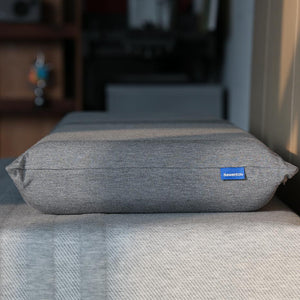
A soft mattress topper—especially 5–7 cm—instantly transforms a hard mattress into a plush one. Choose an “10cm mattress topper” topper if you want a deep sink-in feel.


2. Break In the Mattress
New mattresses often feel firmer in the first 1–2 weeks. Sleeping on it regularly helps soften the foams.
3. Warm Up the Room
Memory foam softens in warmer temperatures. A cold bedroom can make your mattress feel harder.
FAQs about Soft Mattress
1. Are soft mattresses bad for back?
Short answer: For most back and stomach sleepers, yes — an overly soft mattress is generally a poor choice. If a soft mattress lets your hips and midsection (the heaviest part of your body) sink too deeply, your spine can form a U-shape. That over-arching strains the lower-back ligaments and muscles and often causes the common “waking up with back pain” complaint.
Better option: if you want a softer surface but need spinal support, choose a soft mattress with excellent zoned support (differentiated coils or varied foam densities — softer at the shoulders, firmer under the lower back).
2. Does a mattress get softer over time?
Yes. Most mattresses soften slightly during the first 2–4 weeks of use as the materials settle and compress. Some foams continue to relax slowly over months; high-quality materials and proper thickness slow that process.
3. What type of mattress is the softest?
The softest mattresses are those whose materials and construction are engineered for maximum pressure relief and deep contouring. Common soft types are:
- Memory Foam: High-quality, low-density memory foam conforms deeply and produces a slow-sinking, “hugging” feel. Softness depends on density and ILD (lower ILD = softer feel).
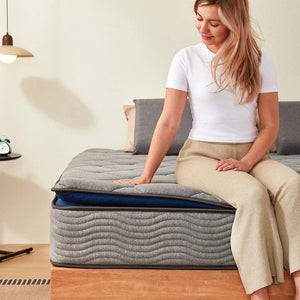
- Pillow-Top Hybrids: Hybrids with a very thick plush pillow top (foam, fiberfill, or micro-coils) combine deep cushioning with an innerspring core — often labeled “Ultra Plush” or “Cloud.”
- Soft Latex: Latex is bouncier than memory foam but manufacturers make low-ILD latex that feels soft and more buoyant (less deep sink than memory foam).
4. What happens if you sleep on a mattress that's too soft?
Common problems from a mattress that’s too soft for your weight and position:
- Spinal Misalignment: Hips and midsection sink more than shoulders/head, creating a U- or hammock-shaped spine.
- Lower Back Pain: Poor lumbar support strains lower-back muscles and ligaments — pain is often worse on waking.
- Difficulty Changing Position: Deep sink removes leverage, making it harder to roll or reposition, which can fragment sleep.
- Overheating: Deeply contouring foams (some memory foams) hug the body and can restrict airflow, trapping heat.
5. Do I need a firm or soft mattress?
Determining the right firmness is a balance between your body weight and your primary sleeping position. The goal is always to keep your spine in a neutral, straight line.
1. By Sleeping Position (The Main Factor)
| Sleeping Position | Ideal Firmness Range | Why? |
|---|---|---|
| Side Sleepers | Soft to Medium | You need a soft surface that allows your shoulder and hip to sink slightly to keep your spine straight and relieve pressure points. |
| Back Sleepers | Medium-Firm | You need support to prevent the hips from sinking too far (causing misalignment) while still having enough cushion to fill the natural curve of your lower back (lumbar support). |
| Stomach Sleepers | Firm | The mattress must be firm enough to keep your hips elevated and in line with your shoulders, preventing the spine from arching too sharply. |
| Combination Sleepers | Medium | A versatile feel that offers a good balance of contouring for side sleeping and firmness for back sleeping. |
2. By Body Weight (The Secondary Factor)
| Sleeping Position | Ideal Firmness Range | Why? |
|---|---|---|
| Side Sleepers | Soft to Medium | You need a soft surface that allows your shoulder and hip to sink slightly to keep your spine straight and relieve pressure points. |
| Back Sleepers | Medium-Firm | You need support to prevent the hips from sinking too far (causing misalignment) while still having enough cushion to fill the natural curve of your lower back (lumbar support). |
| Stomach Sleepers | Firm | The mattress must be firm enough to keep your hips elevated and in line with your shoulders, preventing the spine from arching too sharply. |
| Combination Sleepers | Medium | A versatile feel that offers a good balance of contouring for side sleeping and firmness for back sleeping. |
Bottom Lines
If you’re a side sleeper, lighter‑weight, or someone who loves a plush, “sink-in” feel, a soft mattress makes sense — and few deliver comfort and support as consistently as Newentor. Their mattresses balance pressure relief and spinal alignment, especially for shoulders, hips, and lumbar zones.
With quality memory foam, ergonomic layering, and good durability, Newentor's best soft mattress Australia is ideal for those needing softness without compromising support. If you want to sleep softer but wake up without back or joint pain, a Newentor mattress could be the right upgrade for you.

Leave a comment

985 views, 4 mins read