Step 4. Select the Right Firmness Level
Finding the "Goldilocks" zone is crucial.
-
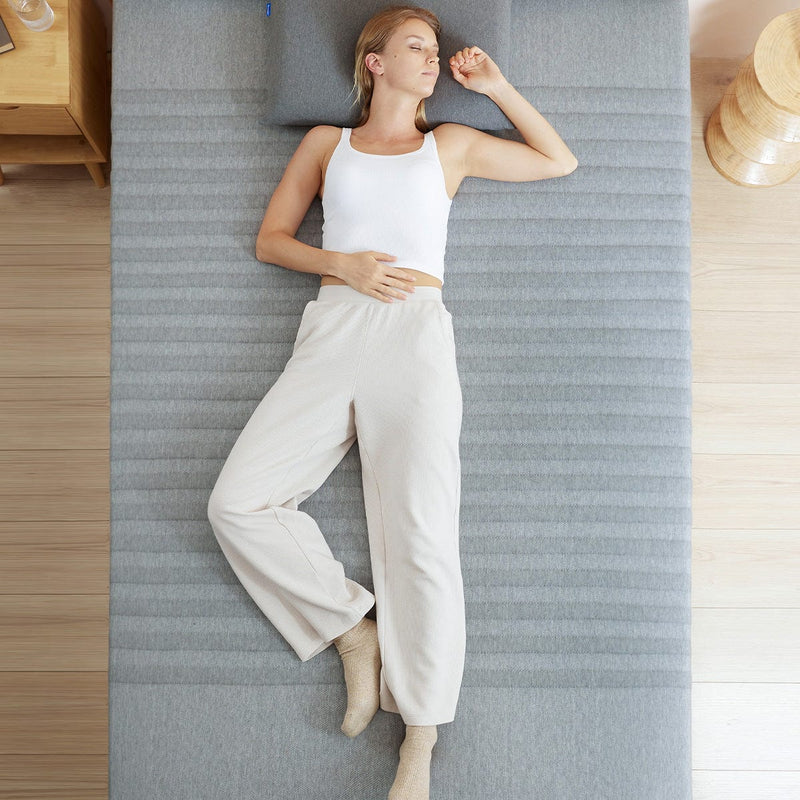
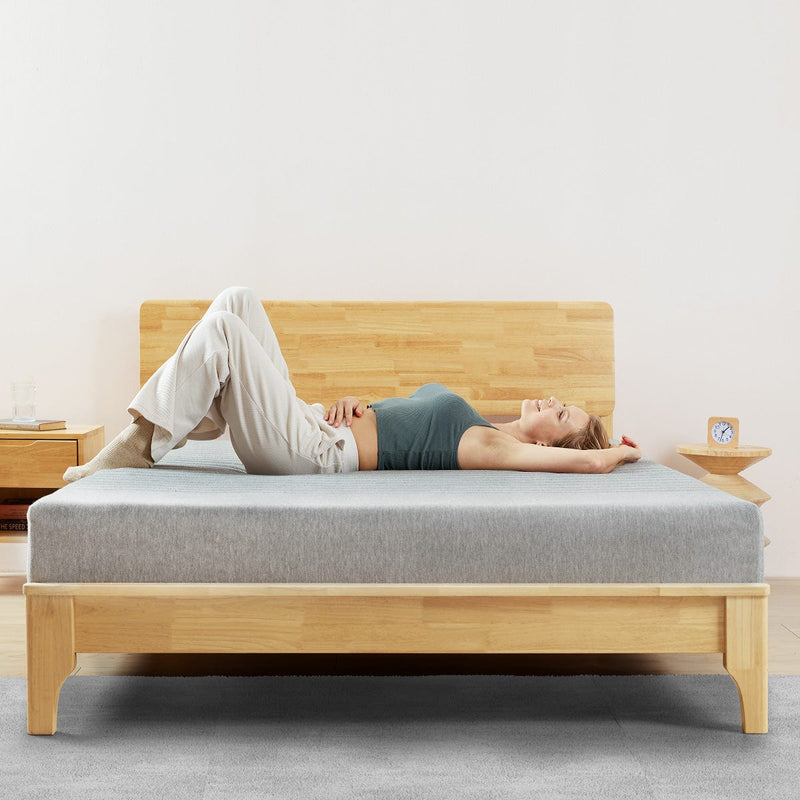
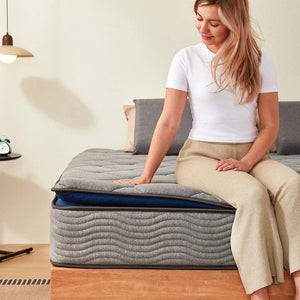
The Safe Bet: For most growing bodies, a Medium-Firm (6-7/10) rating is recommended by chiropractors. It provides enough push-back to support spinal development but enough cushioning to prevent joint pain.
-
Adjustability: If you aren't sure what your teen prefers, look for a mattress with adjustable firmness options or a trial period so they can test it out at home.
Part 5. Check for Edge Support
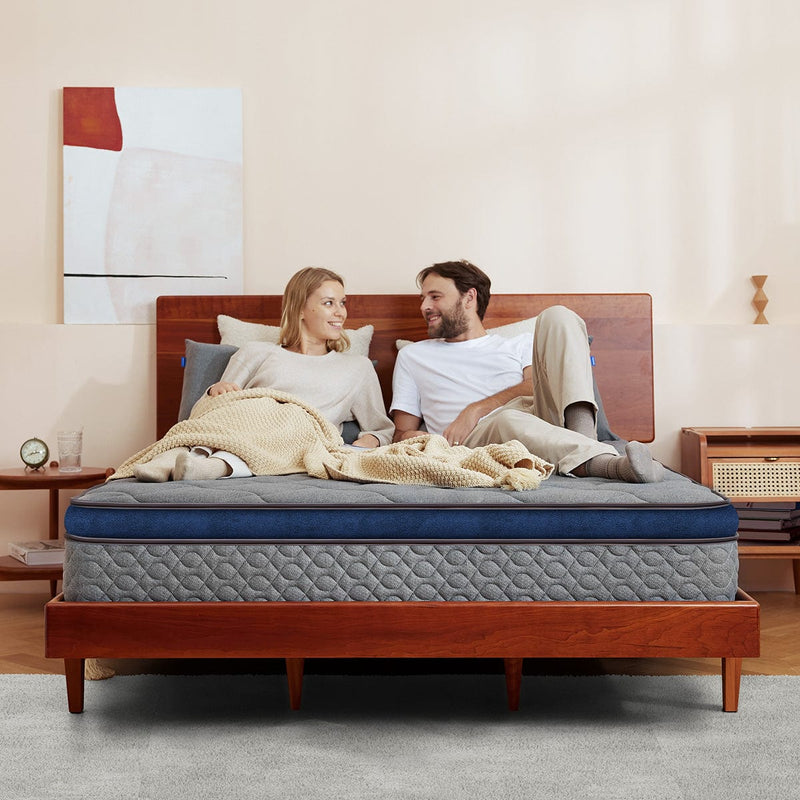
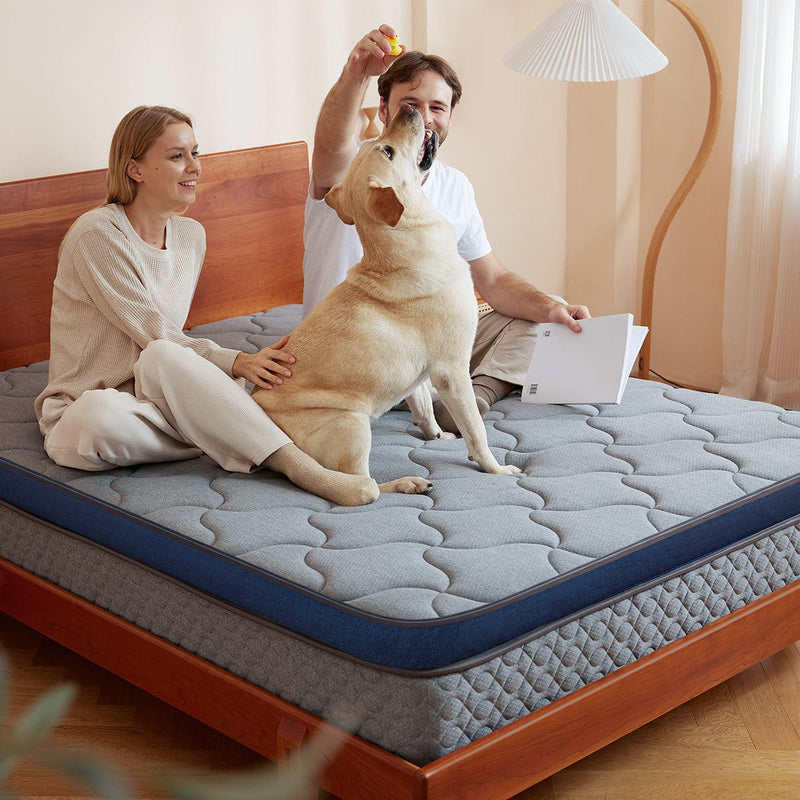
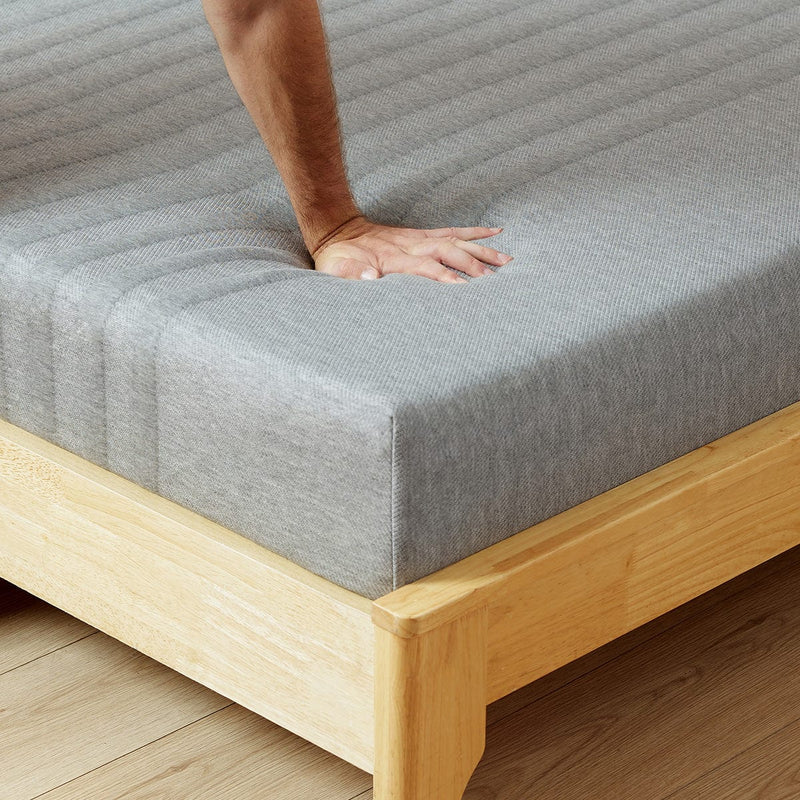
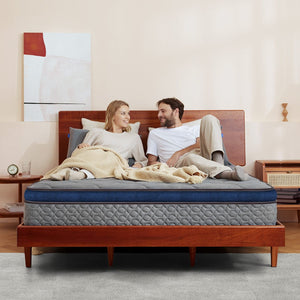
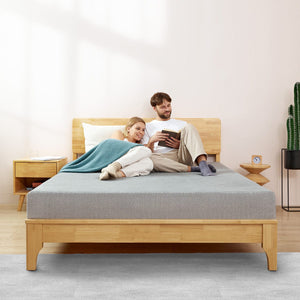
Teens don't just sleep on their beds; they use them as sofas for gaming, studying, and hanging out with friends. A mattress with reinforced edges prevents the sides from sagging when sat on. This extends the life of the mattress and provides a stable surface for daily activities beyond just sleeping.
Step 6. Look for Hygiene and Skin-Friendly Materials
Teenagers often experience hormonal changes that can lead to acne, oily skin, or increased sweating.
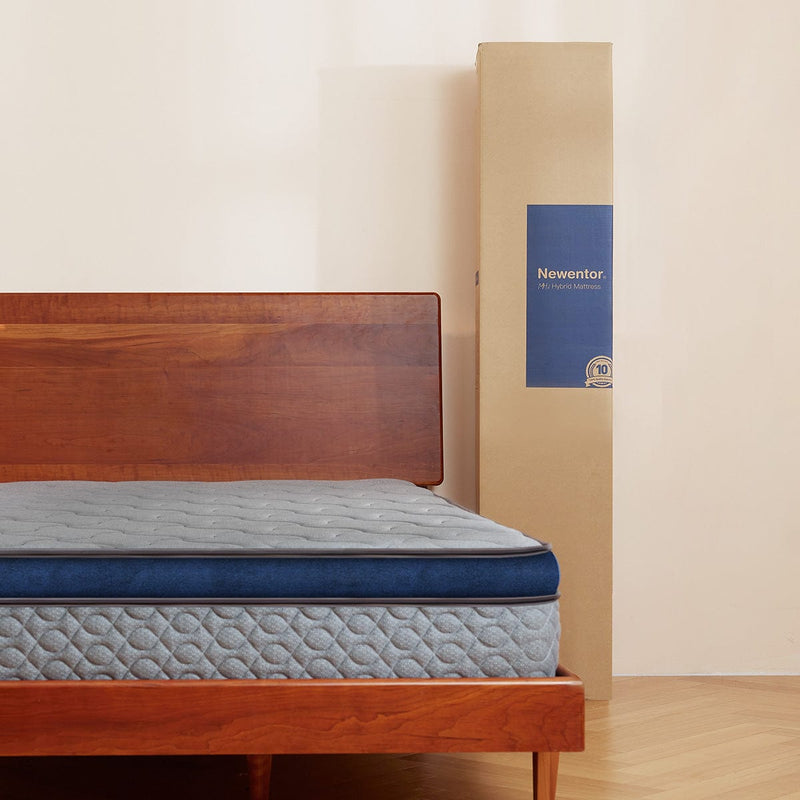
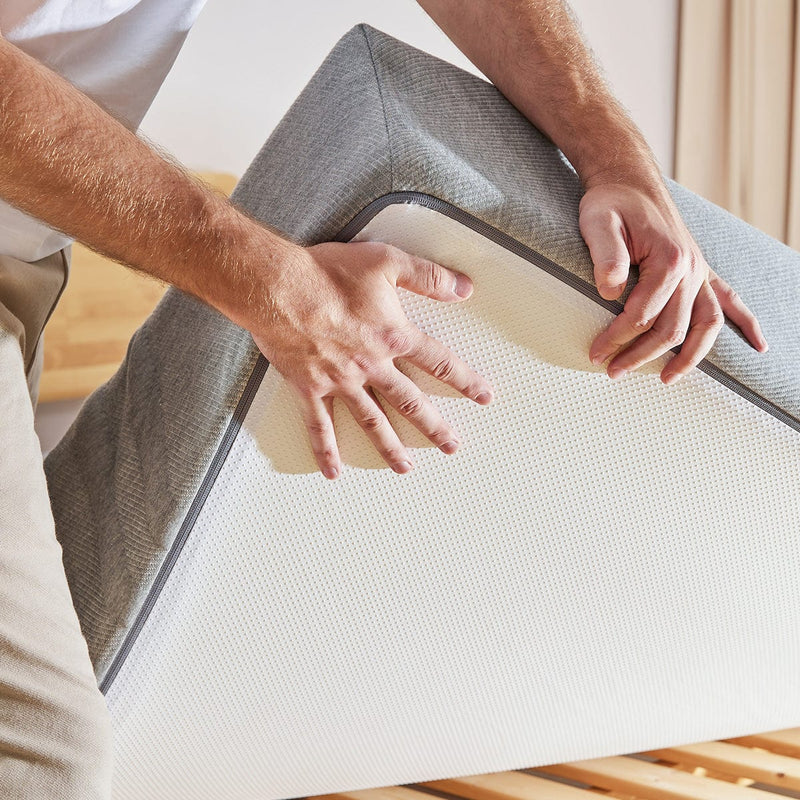
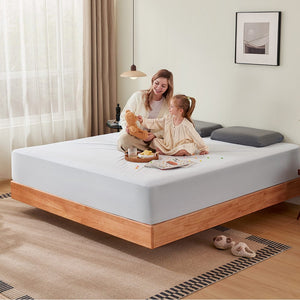
Removable & Washable Covers: A mattress with a zip-off cover (like the Newentor range) is a game-changer. It allows you to wash away dust mites, sweat, and allergens regularly, promoting better skin health and a cleaner sleep environment.
Hypoallergenic Fabrics: Look for OEKO-TEX certified fabrics that are free from harmful chemicals and bacteria, ensuring they are safe for sensitive skin.
Step 7. Check the Trial Period and Warranty
Teenagers can be picky, and their comfort preferences change.
-
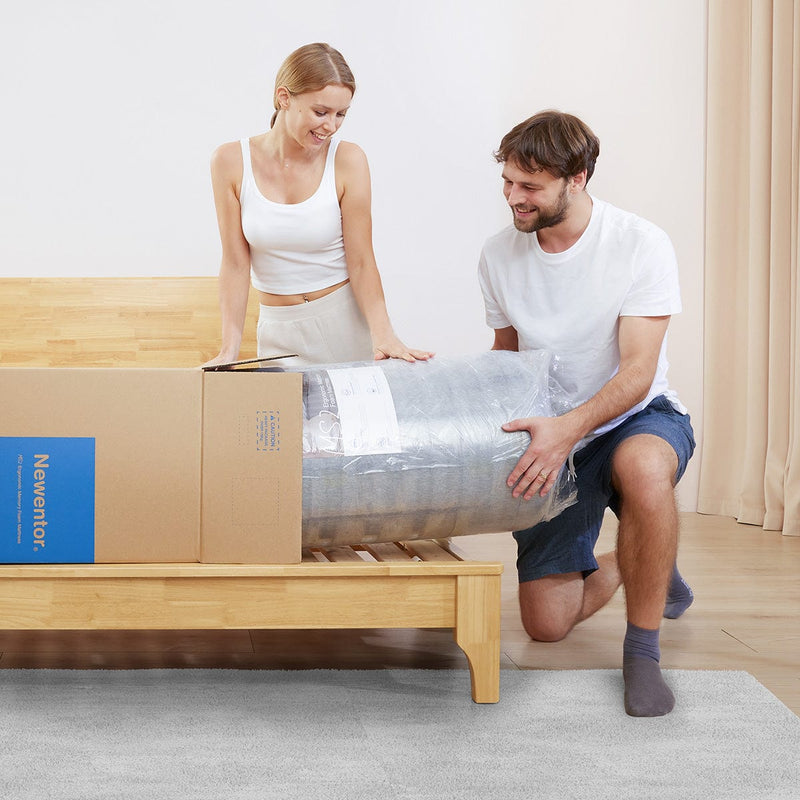
Risk-Free Trial: Never buy a mattress without a trial period (e.g., 120 nights). It takes about 30 days for a body to adjust to a new bed. If your teen complains of back pain after a month, you need the option to return or exchange it.
-
Long-Term Warranty: A 10-15 year warranty is a sign of quality. It ensures that the mattress won't develop permanent "body impressions" or sagging spots after just a few years of use.