



Yes, getting the ideal humidity for bedroom areas directly boosts your sleep quality—and your overall health. Think about it: when the air is too dry or too damp, your body has to work harder to stay comfortable, which disrupts your sleep cycles, especially the deep, restorative REM sleep we all need to wake up feeling refreshed.
What is the Best Humidity Level for Sleeping in Bedroom?
APR 28, 2026
Last updated: JUL 22, 2026


761 views, 5 mins read
Waking up with a dry throat, stuffy nose, or clammy sheets? Chances are, your bedroom humidity is off—and it’s ruining your sleep. Most of us never think about the air moisture in our bedrooms, but the ideal humidity for bedroom spaces is key to a good night’s rest, healthy skin, and even better respiratory health.
Today, we’re breaking down everything you need to know: what is the ideal humidity for bedroom use is, how to measure it, fix it, and why the best humidity level for sleeping matters more than you think.


In this article
Can the Correct Humidity for Bedroom Improve Your Sleep?
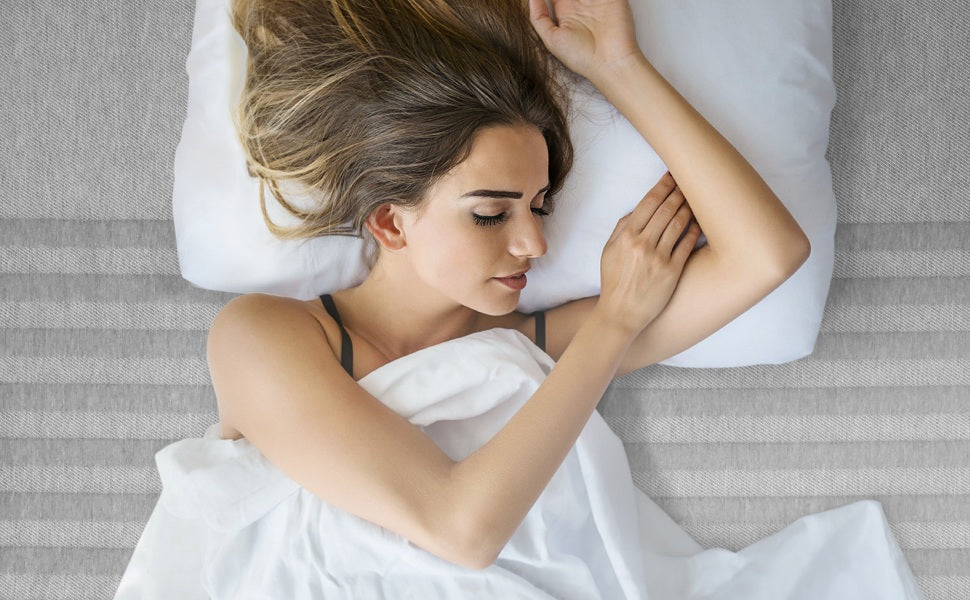
According to the World Health Organization (WHO), the optimal indoor humidity range for human comfort and health is 40% to 65%—and this applies perfectly to bedrooms, where we spend 7 to 9 hours every night . The best humidity level for sleeping falls right in the middle of that range: 45% to 55%. This sweet spot keeps your body balanced, so you don’t wake up dehydrated or overheated.
When your bedroom humidity is too low (below 40%), the air dries out your nasal passages, throat, and skin. This leads to dry lips, itchy eyes, nosebleeds, and even worsens allergies or asthma symptoms. On the flip side, humidity above 65% creates a damp environment where mold, dust mites, and bacteria thrive—all of which can trigger allergies, skin irritation, and that “sticky” feeling that makes it impossible to fall asleep.
The correct humidity for bedroom spaces doesn’t just make you more comfortable—it also protects your bedroom furniture, prevents peeling paint, and keeps your bedding fresh. So if you’re tossing and turning at night, don’t just adjust your pillow or thermostat—check your humidity first.
How to Find the Ideal Humidity for Bedroom Spaces?
Finding the ideal humidity for bedroom use is simple—just measure and adjust. Start with a digital hygromete placed at bed height (away from windows/vents) to get an accurate reading, then aim for the ideal 45%–55% range.
If humidity is too low (below 45%), use a 1–2L bedroom humidifier, add a water bowl near heaters, or place moisture-releasing houseplants—avoid over-humidifying above 55%.
For high humidity (above 55%), the Newentor 25L low-energy dehumidifier is perfect: it handles bedroom spaces with auto humidity control and continuous drainage. You can also improve ventilation or avoid hanging wet laundry.


Newentor Portable Dehumidifier
$368.00
$920.00
Save
$552.00
In stock, delivery in 3-5 days
- Powerful Dehumidification With Brilliant Energy Saving
- 3-Fold Noise Reduction Technology
- Sleek and Portable Moisture Terminator.
- Small Air Dehumidifier for Mould, Bedroom, and Bathroom.
- Two Ways to Drain.
- 10-Year Warranty.
Pro tip: Adjust seasonally—use a humidifier in dry winters and the Newentor 25L dehumidifier in humid summers for uninterrupted sleep.
Best Humidity Level for Sleeping: Why It Matters for Health
We’ve touched on it, but let’s dive deeper: why is the best humidity level for sleeping so important? Here are the key reasons, broken down clearly:
1. Supports healthy breathing
The ideal humidity for bedroom spaces (45% to 55%) keeps your respiratory system comfortable. Dry air irritates the lining of your nose and throat, making it harder to breathe and increasing the risk of snoring or sleep apnea.
It can also trigger coughing, wheezing, or congestion, which disrupts sleep. High humidity, on the other hand, makes it harder for your body to cool down through sweat evaporation, leading to night sweats and restless sleep.
2. Benefits your skin
The correct humidity for bedroom use helps maintain skin health. Too dry air causes skin to lose moisture overnight, leading to dryness, flakiness, and even wrinkles over time. Too damp air can make skin feel greasy or cause breakouts from mold or bacteria, while ideal humidity keeps skin naturally hydrated for a fresh, glowing complexion.
3. Critical for babies and young children
For parents, the best humidity level for sleeping is especially important for infants, who have delicate respiratory systems. Their bedrooms should stay between 45% and 50% humidity to prevent dryness or mold growth, and a hygrometer and small humidifier are essential for nursery spaces.

4. Protects your sleep environment
An often-overlooked benefit is that the ideal humidity for bedroom areas reduces allergens and preserves bedroom items. Mold and dust mites can’t survive in humidity below 55%, so keeping it in check keeps your mattress, pillows, and bedding clean and fresh longer, improving sleep quality and extending the life of your furniture.
FAQs about Dehumidifiers for High Humidity
Q1: Will mold grow at 55 humidity?
Mold is unlikely to grow at 55% humidity, as it thrives in damp environments with humidity above 60%. 55% falls within the ideal humidity for bedroom spaces, creating a balance that prevents mold growth while keeping the air comfortable. However, if there’s poor ventilation or stagnant air, even 55% humidity could lead to minor mold if surfaces stay damp.
Q2: Does opening a window reduce humidity?
It depends on the outdoor humidity. If outdoor humidity is lower than your bedroom’s humidity, opening a window will let fresh, drier air in and reduce indoor humidity—this works well in cool, dry weather. But if outdoor humidity is higher, opening a window will add more moisture, making your bedroom more humid. For high indoor humidity, using the dehumidifier is a more reliable solution than opening windows.
Q3: What are the signs that my bedroom is too humid?
Signs include clammy skin/sheets, musty smells, foggy windows, wall condensation, mold, and restless, sweaty sleep. Maintaining the ideal humidity for bedroom (45%–55%) is simple and boosts sleep. A hygrometer, humidifier, or dehumidifier is all you need for comfort and health.
Q4: What is the ideal humidity for bedroom spaces?
The ideal humidity for bedroom use is 45% to 55%. This range keeps your body comfortable, supports healthy breathing, and prevents issues like dry skin, mold, or restless sleep.
Bottom Lines
Maintaining the ideal humidity for the bedroom (45%–55%) is simple and transformative for your sleep and health.
For reliable control of high humidity, the Newentor 25L dehumidifier is your best bet—its auto humidity control and continuous drainage keep your bedroom comfortable, mould-free, and perfect for restful nights.

Leave a comment