



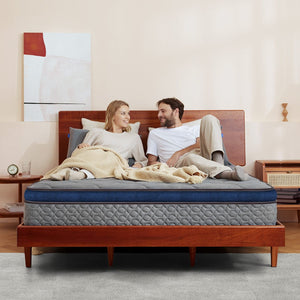
A pillow top mattress is characterized by an extra layer of soft padding sewn directly onto the top of the mattress. While plush at first, these sewn-in layers often compress faster than the springs beneath them. A mattress topper for pillow top mattress use is an independent, removable layer—usually 5cm to 10cm thick—that sits on top of your existing bed to alter its feel.
Best Mattress Topper for Pillow Top Mattress - 2026 Buyer’s Guide
APR 14, 2026
Last updated: JUL 22, 2026


665 views , 5 mins read
Waking up with a stiff back even on your pillow top mattress? A mattress topper for pillow top mattress is your affordable fix. No need for a new bed—this thin layer boosts comfort, targets pain, and fits your sleep style, whether you’re a side sleeper or dealing with back pain. This guide helps you pick the best one for your needs.


In this article
1. What Is a Mattress Topper for Pillow Top Mattress, and Do You Need One?
2. Key Features to Look for in a Mattress Topper for Pillow Top Mattress
3. Best Pillow Top Mattress Topper for Back Pain: What to Look For
4. How to Install a Mattress Topper for Pillow Top Mattress
5. FAQs About Mattress Topper for Pillow Top Mattress
What Is a Mattress Topper for Pillow Top Mattress, and Do You Need One?
Do you actually need one?
- Your Bed is Too Soft: If the pillow top has become "mushy" and you’re waking up with back pain, a firm topper can add structural integrity.
- Your Bed is Too Firm: Sometimes, "firm" pillow tops are still too hard for side sleepers. A soft memory foam topper can add that missing "cradle."
- Temperature Issues: If your mattress uses traditional foams that trap heat, a cooling gel topper can act as a breathable barrier.
- Extending Longevity: According to data from Consumer Reports, adding a topper can extend a mattress's usable life by 3 to 5 years by reducing direct wear on the core materials.
Key Features to Look for in a Mattress Topper for Pillow Top Mattress
Not all toppers work for pillow tops—focus on these key features to find the best mattress topper for pillow top mattress, one that boosts comfort without losing support:

1. Material: Choose What Works for Your Sleep Needs
Topper material dictates comfort and support—here are the top options for a mattress topper for pillow top mattress:
- Memory Foam: Best for back pain and side sleepers—conforms to your body, aligns your spine, and reduces pressure points by 40% . Opt for gel-infused to avoid overheating.
- Latex: Responsive and breathable, firmer than memory foam but soft enough for pillow tops. Hypoallergenic and durable—great for allergy sufferers.
- Down/Down-Alternative: Ultra-plush for extra softness (no back pain support). Down-alternative is affordable and hypoallergenic.
- Hybrid: Combines memory foam/latex with fiber fill—balances support and softness, ideal for all sleepers.
2. Thickness: Don’t Go Too Thick (or Too Thin)
Thickness matters—ideal for a pillow top mattress topper is 5cm -10cm, adds subtle comfort, 10cm fixes sagging; 7 cm is the sweet spot.
3. Firmness: Match It to Your Sleep Style
Match firmness to your sleep style—key for the best pillow top mattress topper for back pain or side sleepers:
- Soft: Best for side sleepers (cradles shoulders/hips, prevents pressure points).
- Medium: Versatile for back/combination sleepers (supports spine, stays comfortable).
- Firm: Ideal for back pain/stomach sleepers (keeps spine aligned, prevents sinking).
4. Fit: Make Sure It Stays in Place
Choose a mattress topper for pillow top mattress with elastic straps or non-slip bottom to prevent sliding and ensure consistent support.
5. Durability and Easy Care
Prioritize durability (1–3 year warranty) and easy care—removable, machine-washable covers are ideal for pets/kids; spot-clean memory foam/latex.
Best Pillow Top Mattress Topper for Back Pain: What to Look For

Finding the best pillow top mattress topper for back pain is all about spinal alignment. When a pillow top sags, your hips sink, creating a "hammock effect" that strains the lower back.
- Firmness is Key: Look for a "Medium-Firm" rating. This fills the gap in your lumbar curve while providing enough "push-back" to keep your spine neutral.
- Zoned Support: This is the "gold standard." Some toppers feature different firmness levels in different zones—softer under the shoulders and firmer under the hips. This is vital for back pain sufferers.
- Material Choice: Latex is often better than memory foam for back pain because it is more "responsive." It supports you on top of the bed rather than letting you sink into it.
How to Install a Mattress Topper for Pillow Top Mattress
Installing a mattress topper for pillow top mattress takes minutes—no tools needed:
- Remove bedding from your mattress.
- Lay the topper flat, centered on your pillow top.
- Secure with elastic straps or press non-slip bottom into the pillow top.
- Replace bedding (use deep-pocket sheets for 7–10 cm toppers).
- Let the topper settle 24–48 hours (especially memory foam).
Pro tip: Rotate your topper every 3–6 months for even wear.
FAQs About Mattress Topper for Pillow Top Mattress
Will a topper make my bed too hot?
Not if you choose correctly. Look for gel-infused memory foam or natural latex, which allow for significantly better airflow than traditional foams.
Can I use an electric blanket with my topper?
Generally, yes, but place the electric blanket on top of the topper, not under it, as the heat can degrade memory foam over time.
Does a topper help with motion transfer?
Absolutely. If your partner is a "restless sleeper," a thick memory foam topper is excellent at absorbing movement before it reaches your side of the bed.
Can you put a mattress topper on a pillow top?
Yes! A mattress topper for pillow top mattress enhances new pillows tops and protects them from wear.
Will a mattress topper make my pillow top too soft?
No—choose firm/medium-firm (5 – 7 cm) for soft pillow tops, soft ( 5cm) for firm ones.
Bottom Lines
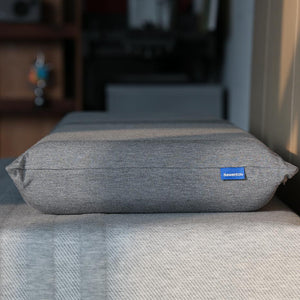
A mattress topper upgrades your pillow top mattress affordably, relieving pain and boosting comfort. Choose by material, thickness and firmness—firm for back pain, soft for side sleepers. The Newentor mattress topper is a top pick, fitting all sleep styles with great support and comfort, helping you get pain-free sleep easily.


Leave a comment

665 views , 5 mins read