



When insomnia strikes, your body stays in a state of high alert. Sleep aids work by slowing down nervous system activity and boosting calming chemical messengers in your brain.
Best Medication to Sleep: 7 Top-Rated Pills & Expert Guide
OCT 08, 2026
Last updated: OCT 09, 2026


639 views, 3 mins read
Tossing and turning at 3 AM is frustrating. When exhaustion hits, finding the best medication to sleep can feel like a lifesaver. But with so many options out there, how do you know what actually works safely?

This guide breaks down how sleep aids work, how to choose the right fit, and natural ways to boost sleep quality. By the end, you will have a clear roadmap to quiet your mind, sleep through the night, and wake up refreshed.

In this article
Why Sleep Medication Works Wonders for Your Rest
- Fast Relief for Acute Insomnia: Short-term stress from work or travel can throw off your rhythm. A temporary sleep aid helps reset your body clock quickly.
- Breaks the Stress-Sleep Cycle: Worrying about not sleeping makes falling asleep even harder. Medication helps interrupt this frustrating cycle so your brain relaxes.
- Restores Energy Levels: According to sleep research from the Mayo Clinic, getting adequate restorative sleep is essential for immune function, mood regulation, and daily focus.
Finding the Best Medication to Sleep for Better Rest
Choosing the best medication to sleep depends on whether you struggle with falling asleep, staying asleep, or both. Different categories offer unique benefits depending on your needs.
1. Zolpidem Tartrate (Zolpidem / Common Brand: Ambien)
- Overview: A fast-acting, short-acting non-benzodiazepine sedative-hypnotic (commonly called a Z-drug). It rapidly induces sleep by enhancing the inhibitory effects of the GABA neurotransmitter in the brain.
- Who It’s For: Mainly for short-term insomnia patients who have trouble falling asleep due to acute stress, emotional fluctuations, or sudden events.
Pros
- Extremely fast onset (usually works within 15–30 minutes); significantly shortens the time needed to fall asleep.
Cons
- Long-term use can easily lead to drug dependence and tolerance; it may cause complex sleep behaviors such as sleepwalking, sleep-driving, or next-morning memory gaps.
2. Eszopiclone / Zopiclone (Eszopiclone / Common Brand: Lunesta)
- Overview: A medium- to long-acting Z-drug sedative-hypnotic that continuously regulates the central nervous system to stabilize the sleep cycle.
- Who It’s For: Moderate to severe insomnia patients who have trouble falling asleep and also wake up frequently during the night.
Pros
- Longer duration of action; effectively improves sleep maintenance and reduces nighttime awakenings.
Cons
- Some patients experience a noticeable metallic bitter taste in the mouth; if sleep time is less than 7–8 hours, next-day hangover feelings or dizziness are more likely.
3. Lemborexant (Common Brand: Dayvigo)
- Overview: A new dual orexin receptor antagonist (DORA). It naturally guides the body into sleep by blocking orexin signals in the brain that promote wakefulness.
- Who It’s For: Chronic insomnia patients who need long-term regulation, especially those with early morning awakening or frequent nighttime awakenings.
Pros
- Works by “inhibiting wakefulness” rather than “forcing sedation”; fewer withdrawal reactions and relatively lower risk of addiction and dependence.
Cons
- May cause nightmares, night terrors, or temporary sleep paralysis (commonly known as “ghost pressing on the body”); usually more expensive than traditional sleeping pills.
4. Low-Dose Doxepin (Common Brand: Silenor)
- Overview: Originally a tricyclic antidepressant, at very low doses it acts as a selective histamine H1 receptor antagonist, producing a specifically sleep-promoting sedative effect.
- Who It’s For: Patients with early morning awakening insomnia, or older insomnia patients who are contraindicated for addictive sleeping pills.
Pros
- A non-controlled medication with no dependence or addiction risk; notably effective for maintaining sleep in the second half of the night.
Cons
- A very small number of people may experience mild dry mouth, constipation, or next-day low mood; not suitable for emergency situations that require rapid sleep induction.
5. Ramelteon (Common Brand: Rozerem)
- Overview: A highly selective melatonin receptor agonist that regulates the circadian rhythm by mimicking the effects of the body’s natural melatonin.
- Who It’s For: People with difficulty falling asleep caused by circadian rhythm disruption (such as jet lag or shift work), as well as patients with a history of substance abuse.
Pros
- Does not suppress the central nervous system; no abuse risk or addiction; almost no next-day hangover effect.
Cons
- Sedative strength is relatively mild; usually needs to be taken continuously for several days to weeks before clear rhythm improvement is seen.
6. Diphenhydramine / Doxylamine (Unisom)
- Overview: First-generation antihistamine allergy medications. They achieve strong sedation through central inhibition after crossing the blood-brain barrier.
- Who It’s For: People with a limited budget who occasionally have short-term insomnia due to environmental changes or temporary events (for emergency use only, 1–3 days).
Pros
- Available over the counter without a prescription; affordable and easy to access.
Cons
- Tolerance develops very easily (it may stop working after just a few days of continuous use); next-morning grogginess, dry mouth, blurred vision, and other anticholinergic side effects are common.
7. Melatonin Supplements
- Overview: Dietary supplements that mimic melatonin naturally secreted by the pineal gland. They mainly send the brain a biological signal that “night has arrived.”
- Who It’s For: Travelers crossing time zones, shift workers who often stay up late, and middle-aged or older adults whose melatonin secretion has declined with age.
Pros
- Gentle and natural ingredients; non-prescription and easy to obtain; unlikely to cause serious physiological dependence when used as needed.
Cons
- Only regulates the sleep clock and does not have strong sedative-hypnotic effects; product quality on the market varies widely, and dosage must be carefully controlled.
Natural Tips to Improve Sleep Without Medication
Because sleeping pills do not fix underlying causes of insomnia, establishing strong sleep hygiene and physical comfort is crucial for long-term health.
1. Maintain Circadian Rhythm Consistency
Waking up at the exact same time every morning anchors your body's master clock, building steady natural sleep pressure by evening.
2. Optimise Physical Ergonomics & Thermal Comfort
- Your physical surface dictates sleep continuity. Physical discomfort or overheating causes frequent micro-arousals that disrupt deep REM cycles.
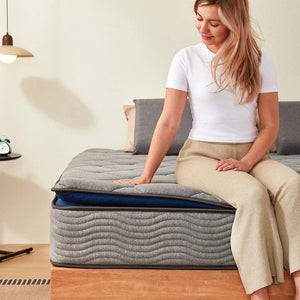
- Spinal Alignment: Sleeping on an outdated surface causes pressure points and toss-and-turn waking. Switching to a supportive Newentor Mattress cradles key pressure zones—like shoulders and hips—maintaining neutral spine posture all night.
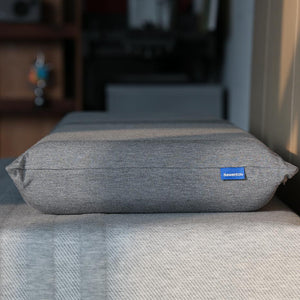
- Thermal Regulation: Deep, restorative sleep requires a 2°F drop in core body temperature. By pairing a portable AC with the air-adaptive, heat-dissipating Newentor Pillow, you create the optimal cool microclimate to eliminate night sweats and stay asleep all night.




3. Manage Evening Light & Stimulants
Blue light suppresses evening melatonin output. Turn off bright screens an hour before bed and avoid caffeine after mid-afternoon.
FAQs About the Best Medication to Sleep
Q1: What is the safest over-the-counter sleep tablet?
Melatonin or magnesium supplements are generally considered lower-risk for occasional use compared to sedative antihistamines. Always consult a doctor or pharmacist first.
Q2: Can I take top-rated sleeping pills every night?
No. Medical guidelines from the AASM recommend limiting prescription sleep drugs to short-term use (1–4 weeks) to prevent tolerance, dependence, or withdrawal symptoms.
Q3: How do I transition away from sleeping tablets naturally?
Work with your physician to taper medication gradually while upgrading your bedroom environment—such as investing in a pressure-relieving bed set—and practicing stimulus control techniques.
Bottom Lines
Finding the best medication to sleep can provide immediate short-term relief, but permanent, restorative sleep depends on a healthy routine and supportive bedding.
By combining medical guidance with premium sleep essentials like a Newentor mattress and pillow, you build the perfect foundation to fall asleep naturally and wake up fully energised.

Leave a comment

639 views, 3 mins read