



Mirtazapine is a prescription antidepressant originally approved to treat major depressive disorder. However, doctors frequently prescribe it off-label to help people struggling with severe, chronic insomnia.
Mirtazapine for Sleep: Dosage Guide, Benefits & Side Effects
SEP 04, 2026
Last updated: SEP 04, 2026


675 views, 3 mins read
Struggling with insomnia, frequent nighttime wake-ups, or restless sleep? Many people turn to mirtazapine for sleep support, yet most lack clear dosage guidance.

In this guide, we will break down the right dosage, compare 7.5 mg and 15 mg, and answer whether occasional use actually works. By the end, you will understand how this medication impacts rest so you can have an informed conversation with your doctor.

In this article
1. What is Mirtazapine and Why Does It Make You Sleepy?
2. The Recommended Dosage for Sleep
3. 7.5 mg vs 15 mg vs 30 mg—Which One Is Right for You?
4. Common Side Effects to Keep in Mind
5. Before You Reach for That Prescription – Consider Your Sleep Environment
6. Practical Tips for Using Mirtazapine for Sleep
7. FAQs about Mirtazapine for Sleep
What Is Mirtazapine and Why Does It Make You Sleepy?
Unlike most medications where higher doses cause stronger sedative effects, mirtazapine works in reverse. At lower amounts, it strongly blocks histamine H1 receptors in the brain, triggering a heavy calming effect similar to a powerful antihistamine.
According to clinical data published by the National Center for Biotechnology Information (NCBI) , low‑dose mirtazapine significantly shortens the time it takes to fall asleep while boosting total sleep duration and deep sleep architecture.
The Recommended Dosage for Sleep
So what’s the right dose? It depends on your sensitivity and goals.
- 7.5 mg is the usual starting point. The American Academy of Family Physicians often recommends this for older adults or those new to sedating meds. It’s enough for many people – especially if you’re light or sensitive to medication.
- 15 mg is the sweet spot for most. An authoritative research lists 7.5–15 mg as a first‑line non‑scheduled insomnia treatment. A major trial called DREAMING used exactly this range (7.5–15 mg/day) in patients with insomnia disorder.
- 30 mg+ is depression territory. For sleep, higher doses tend to work worse. If you’re taking mirtazapine for sleep, 30 mg is usually overkill.
So, is 7.5 mg of mirtazapine enough for sleep? For plenty of people, yes. But many find 15 mg gives them that extra nudge into dreamland without too much next‑day grogginess. Always start low and adjust with your doctor.
7.5 mg vs 15 mg vs 30 mg—Which One Is Right for You?
Understanding how different strength levels function can help you work with your doctor to find your optimal sweet spot.

7.5 mg Dose
Many patients wonder: is 7.5 mg of mirtazapine enough for sleep? For a large percentage of adults, the answer is a resounding yes. At 7.5 mg, the drug’s H1 histamine blockade is at its strongest relative to its action on other neurotransmitters, producing maximum sedation with minimal stimulation
15 mg Dose
Using mirtazapine 15 mg for sleep is another extremely common entry point. It offers strong sedative power along with mild anti-anxiety benefits, which helps if racing thoughts keep you awake at night.
30 mg Dose
When evaluating mirtazapine 15mg vs 30mg for sleep, higher is rarely better. At 30 mg, the drug significantly increases noradrenergic activity in the brain. This boosts alertness and energy, effectively neutralizing its sleep-inducing properties and making it far less suitable for insomnia.
Common Side Effects to Keep in Mind
While effective at knocking out nighttime restlessness, mirtazapine carries a few notable side effects to consider before starting treatment:
- Next-Day Hangover: High morning sedation is common during the first few weeks as your body adjusts.
- Increased Appetite: The drug frequently stimulates strong cravings for carbohydrates, which can lead to weight gain.
- Dry Mouth: Many users wake up feeling noticeably dehydrated.
- Vivid Dreams: Increased deep sleep cycles can sometimes cause unusually intense dreaming.
Before You Reach for That Prescription – Consider Your Sleep Environment
Here’s something most GPs won’t tell you: what you sleep on matters just as much as what you swallow.
Think about it – you’re taking mirtazapine to force your brain to sleep, but if your mattress is old, lumpy, or unsupportive, your body is still fighting against you all night. Your spine isn’t aligned, pressure points build up, and you toss and turn without even realising it. No wonder you wake up stiff and exhausted.
Non‑drug strategies have been shown to have comparable efficacy to sleeping pills for insomnia – and they often have longer lasting effects because they don’t build tolerance. A cool, dark, quiet room is great, but the foundation of any good sleep environment is your bed itself.
That’s where Newentor comes in. Instead of relying solely on medication, why not upgrade your sleep surface?
- The Newentor hybrid mattress offers a 7‑zone ergonomic support system that keeps your spine aligned and relieves pressure points. It’s medium‑firm (7/10), exactly what back‑pain specialists recommend, and comes with a 120‑night free trial and 10‑year warranty.
- If a new mattress isn’t an option, the Newentor memory foam mattress topper is a brilliant alternative. It has dual‑sided firmness, 7‑zone pressure relief, a breathable OEKO‑TEX certified cover, and comes in 5cm, 7cm or 10cm thickness – ideal for reviving an old sagging mattress or softening a too‑firm one.
- And don’t forget your pillow: the Newentor Pillow features a dual‑height design that suits side, back, and stomach sleepers, with high‑density foam that stays supportive all year round. It includes a 120‑night risk‑free trial.


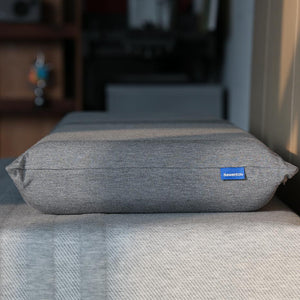
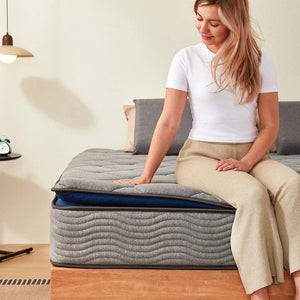



The beauty of this approach? No side effects, no dependency, no weight gain. Just better sleep, naturally. You can explore the full range at Newentor’s official website.
Practical Tips for Using Mirtazapine for Sleep
If you and your doctor decide to go ahead, here are a few practical pointers:
- Take it 30–60 minutes before bed. It doesn’t work instantly – give it time to kick in.
- Start low. 7.5 mg is the recommended starting dose. You can always move up to 15 mg if needed.
- Give it a week or two. The first few days might leave you groggy, but most people adapt within 7–14 days.
- Avoid alcohol. Mixing the two is a recipe for excessive sedation.
- Watch the morning. If you’re struggling to wake up, consider dropping the dose or taking it earlier in the evening.
And please – never change your dose without talking to your doctor. Mirtazapine for sleep is off‑label in many countries, and your prescriber needs to be in the loop.
FAQs about Mirtazapine for Sleep
Q: Can I take mirtazapine occasionally for sleep?
Some doctors do prescribe it “as needed” if you’re using it only for insomnia. However, because its half‑life is 20–40 hours, taking it irregularly can make it harder to predict next‑day drowsiness. Most guidelines recommend nightly use for consistency.
Q: Does mirtazapine cause weight gain?
Yes – it’s well‑documented. Nearly half of users gain at least 7% of their body weight. This is due to increased appetite and metabolic changes. If you’re concerned, talk to your doctor about alternatives.
Q: How long does it take for mirtazapine to work for sleep?
You should feel the sedative effect within 1–2 hours of taking it, but the full benefit for sleep quality may take a few days to a week.
Q: Can I stop mirtazapine suddenly?
No – even at low doses, abrupt withdrawal can cause anxiety, rebound insomnia, and flu‑like symptoms. Always taper off slowly under medical supervision.
Final Thoughts
Mirtazapine is an unusual but effective tool for chronic insomnia – especially when other medications have failed. The key takeaway? Lower doses work better for sleep. Whether you’re starting at 7.5 mg or debating between 15 mg and 30 mg, remember that with mirtazapine for sleep, more isn’t always better.
But before you rely solely on a pill, take a good look at your sleep environment. A quality mattress, topper, or ergonomic pillow can make a world of difference – without the side effects, weight gain, or withdrawal risks, it could be the thing that finally helps you sleep through the night.
Disclaimer:
- This article is for informational purposes only and does not constitute medical advice. Always consult a qualified healthcare professional before starting, stopping, or changing any medication.
Leave a comment

675 views, 3 mins read