



Before we get to the best plants for bedroom, let’s talk about why you should bother adding them in the first place. Sure, they look great—adding a pop of green to your sheets, dressers, or nightstands—but they also have some pretty awesome benefits for your health and well-being. First off, many of the best indoor plants for bedroom are natural air purifiers.
9 Most Common & Best Plants for Bedroom in 2026
APR 16, 2026
Last updated: JUL 22, 2026


386 views, 6 mins read
Placing some plants in the bedroom is not just for beauty, but also an effective way to improve air quality.
However, with so many plants suitable for the bedroom, which one is more suitable to place in your own room?
Don’t hesitate. This guide lists 9 of the most common best plants for bedrooms , and there must be one you like. Come and check them out!


In This Article:
Why Add Plants to Your Bedroom?
According to a 1989 study by NASA, certain houseplants can remove harmful toxins like formaldehyde, benzene, and trichloroethylene from the air, improving indoor air quality . That’s a big win, especially since we spend about a third of our lives in our bedrooms breathing in whatever’s in the air.

But that’s not all. Plants also help boost mood and reduce stress. A 2020 study published in the Journal of Environmental Psychology found that having plants in indoor spaces can lower cortisol levels (the stress hormone) and improve overall feelings of calm.
The best part? You don’t need to be a plant expert to keep these guys alive. All of the plants we’re sharing are common, easy to care for, and forgiving if you forget to water them every now and then. So if you’ve ever killed a plant before, don’t worry—these best plants for your bedroom are here to change your plant parent luck.
The Good Indoor Plants for Bedroom: Our Top Picks
We’ve organized these best plants for bedroom by type, so you can easily find the perfect fit for your space, light, and lifestyle. All of these plants are common—you can find them at your local nursery, hardware store, or even grocery store—and they’re designed to thrive in bedroom environments. Let’s start with the most popular picks!
1. Snake Plant (Sansevieria / Dracaena Trifasciata)
Pet-Friendly: No (Toxic to cats and dogs if ingested.)
If you’re looking for the best plants for bedroom that are practically indestructible, the snake plant is your new best friend. This common plant has long, sleek, green leaves with yellow edges and requires almost no maintenance.
It’s one of the best indoor plants for bedroom because it tolerates low light, drought, and even neglect—perfect for busy people or new plant parents.

But the snake plant isn’t just easy to care for—it’s also one of the top air purifying plants for bedroom. According to NASA’s clean air study, snake plants remove formaldehyde, benzene, and xylene from the air.
Even better, they release oxygen at night, which can help improve sleep quality. Care tips: Water every 2-6 weeks (let the soil dry out completely), place in low to bright indirect light, and avoid overwatering.
2. Spider Plant (Chlorophytum Comosum)
Pet-Friendly: Yes (Non-toxic to cats, dogs, and humans.)
Spider plants are some of the most common and easiest best plants for bedroom. They have long, arching leaves and produce tiny “pups” (baby plants) that hang down, making them perfect for hanging baskets. They are super forgiving—they tolerate low light and even a bit of overwatering.
They’re also great air purifying plants for bedroom, removing formaldehyde, xylene, and carbon monoxide. Plus, they are very easy to propagate! Care tips: Water every 1-2 weeks, place in low to bright indirect light, and trim the pups to manage growth.

3. Aloe Vera
Pet-Friendly: Yes (Non-toxic to cats, dogs, and humans.)
Aloe vera is more than just a plant—it’s a multi-purpose powerhouse, making it one of the best plants for bedroom. This common succulent has thick, fleshy leaves that store water, so it’s super low-maintenance. It’s also one of the best indoor plants for bedroom because it’s easy to care for and has a variety of uses. The gel inside aloe vera leaves can be used to soothe sunburns, moisturize skin, and even treat minor cuts and scrapes.
When it comes to air purification, aloe vera helps remove formaldehyde and benzene from the air . It also requires bright, indirect light, so it’s perfect for bedrooms with a sunny window. Aloe vera is non-toxic to pets and humans, making it a great choice for households with kids or furry friends.
Care tips: Water every 2-3 weeks (let the soil dry out completely), place in bright indirect light, and avoid overwatering (succulents hate wet soil!).

4. Peace Lily (Spathiphyllum)
Pet-Friendly: Yes (Non-toxic to cats, dogs, and humans.)
If you want best plants for bedroom that add a pop of white and a touch of elegance, the peace lily is a great choice. This common plant has dark green leaves and beautiful white flowers that bloom throughout the year (with proper care). It’s one of the best indoor plants for bedroom because it’s not only pretty but also a powerful air purifier.
According to NASA’s study, peace lilies remove formaldehyde, benzene, trichloroethylene, and xylene from the air . They also thrive in low light, making them perfect for bedrooms with small windows or no direct sunlight. Plus, peace lilies are easy to care for—they’ll even tell you when they need water (their leaves will droop, and they’ll perk back up within hours of watering!).
Note: Peace lilies are toxic to pets and humans if ingested, so keep them out of reach.
Care tips: Water when the top inch of soil is dry, place in low to bright indirect light, and mist the leaves occasionally to increase humidity.

5. Philodendron (Heartleaf Philodendron)
Pet-Friendly: No (Toxic to cats, dogs and humans if ingested.)
The heartleaf philodendron is another one of the best plants for bedroom that’s common and easy to care for. This trailing plant has small, heart-shaped leaves that are dark green and glossy, making it perfect for hanging or placing on a shelf. It’s one of the best indoor plants for bedroom because it tolerates low light and is very low-maintenance—great for busy people or new plant parents.
While it’s not as powerful an air purifier as some other plants on this list, it still helps remove toxins from the air and adds a touch of green to your space. Note that heartleaf philodendron is toxic to pets and humans if ingested, so keep it out of reach.
Care tips: Water every 1-2 weeks (let the top inch of soil dry out), place in low to bright indirect light, and trim the vines if they get too long.

6. Boston Fern (Nephrolepis Exaltata)
Pet-Friendly: Yes (Non-toxic to cats, dogs and humans.)
If you love the look of ferns, the Boston fern is one of the best plants for bedroom. This common fern has delicate, feathery fronds that add a soft, romantic touch to any space. It’s perfect for hanging baskets or placing on a shelf, and it’s one of the best indoor plants for bedroom because it thrives in low light and high humidity.
Boston ferns are also good air purifiers, removing formaldehyde and xylene from the air . They’re non-toxic to pets and humans, making them a safe choice for any household. The only downside is that they require a bit more humidity than other plants, so you may need to mist them occasionally if your bedroom is dry.
Care tips: Water when the top inch of soil is dry, place in low to bright indirect light, and mist the fronds regularly to increase humidity.

7.Chinese Evergreen (Aglaonema)
Pet-Friendly: No (Toxic to cats, dogs and humans if ingested.)
Chinese evergreen is one of the best plants for bedroom for low-light spaces. This common plant has large, variegated leaves (green with silver or pink markings) that add a touch of color to your space. It’s super low-maintenance, tolerating low light, drought, and even neglect.
Chinese evergreen is also a good air purifier, removing formaldehyde and benzene from the air . It’s toxic to pets and humans if ingested, so keep it out of reach.
Care tips: Water every 2-3 weeks (let the top inch of soil dry out), place in low to bright indirect light, and avoid direct sunlight.

8. Peperomia (Peperomia Obtusifolia)
Pet-Friendly: Yes(Non-toxic to cats, dogs and humans.)
Peperomia is a small, compact plant that’s perfect for the best plants for bedroom, especially if you have limited space. This common plant has thick, fleshy leaves that come in a variety of colors (green, variegated, or even red), and it’s super easy to care for. It’s one of the best indoor plants for bedroom because it tolerates low light and is very low-maintenance.
Peperomia is non-toxic to pets and humans, making it a safe choice for any household. It’s not the most powerful air purifier, but it still helps improve air quality and adds a touch of green to your space.
Care tips: Water every 1-2 weeks (let the top inch of soil dry out), place in low to bright indirect light, and avoid overwatering.

9. Mint
Pet-Friendly: Yes(Non-toxic to cats, dogs and humans.)
Mint is a great choice for best plants for bedroom if you want something that’s both functional and pretty. This common herb has fragrant green leaves that you can use in tea, cocktails, or even cooking. It’s also known for its calming properties, and it helps improve air quality.
Mint requires bright, indirect light, so it’s perfect for bedrooms with a sunny window. It’s non-toxic to pets and humans, making it a safe choice. The only thing to note is that mint grows quickly, so you may need to trim it regularly to keep it from taking over.
Care tips: Water when the top inch of soil is dry, place in bright indirect light, and trim the leaves regularly to encourage new growth.

Pro Tips for Keeping Your Bedroom Plants Alive (Even If You’re a Beginner)
Now that you know the best plants for bedroom, let’s talk about how to keep them alive. Even the easiest plants need a little care, but these tips will help ensure your plants thrive:
- Don’t overwater: This is the number one mistake new plant parents make. Most bedroom plants prefer to dry out between waterings, so stick your finger in the soil—if it’s dry an inch down, it’s time to water.
- Choose the right light: Match your plant to your bedroom’s light conditions. Low-light plants (like snake plants, ZZ plants, and peace lilies) do well in dark bedrooms, while bright-light plants (like aloe vera, lavender, and mint) need a sunny window.
- Dust the leaves: Dust can block sunlight and prevent your plants from photosynthesizing. Wipe the leaves with a damp cloth every few weeks to keep them clean.
- Use the right pot: Make sure your plants are in pots with drainage holes to prevent root rot. If your pot doesn’t have drainage, add a layer of gravel at the bottom to help with drainage.
- Fertilise occasionally: Most common bedroom plants don’t need much fertiliser, but a little bit every 2-3 months (during the growing season) can help them grow better. Use a diluted, all-purpose fertiliser.
Final Thoughts on the Best Plants for Bedroom
Bringing plants into your bedroom is an easy way to lower stress, freshen the air, and feel better. These plants are mostly low-maintenance and fit perfectly in a sleeping space.
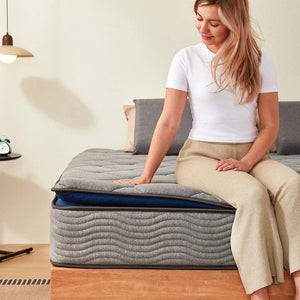
To improve your sleep quality further, try using them alongside Newentor’s ergonomic supports and breathable bedding. By combining simple greenery with professional sleep products, you can easily set up a fresh room for a more restful sleep.




Leave a comment

386 views, 6 mins read