



First, let’s keep it simple: scoliosis is a condition where the spine curves sideways, instead of being straight like it should be. It’s not just “bad posture”—it’s a structural issue that can develop at any age, though it’s most common in kids and teens between 10 and 15 years old, when their spines are still growing.
What is the Best Mattress for Scoliosis in Australia?
APR 15, 2026
Last updated: JUL 22, 2026


973 views , 4 mins read
In daily life, there are many bad postures that can lead to scoliosis—for example, crossing your legs, a habit most of us have. But there’s another easily overlooked item that can also cause scoliosis: your mattress.
A sagging, too firm, or too soft mattress can easily fail to provide proper support for your spine, especially since you spend one-third of your day sleeping on it.

This article will walk you through everything you need to know about scoliosis and the best mattress for scoliosis, helping you understand how to choose the right mattress to protect your spine and get rid of sleep discomfort caused by poor mattress support. Let's see.

In this article
What is Scoliosis?
The most common signs of scoliosis include one shoulder being higher than the other, one hip sticking out more, clothes that don’t hang evenly, or a visible curve in the back when bending over.
Some people with scoliosis experience no pain at all, while others deal with chronic back pain, muscle tension, or even trouble breathing if the curve is severe.

Most cases are idiopathic, meaning we don’t know the exact cause—though it can run in families, suggesting a genetic link. Rarely, it’s caused by other conditions like cerebral palsy or muscular dystrophy, or present at birth (congenital scoliosis).
In fact, research shows that 64.8% of adolescents with idiopathic scoliosis have poor sleep quality, often due to discomfort from their spine curve. That’s why choosing the right mattress isn’t just a luxury—it’s a crucial part of managing your scoliosis.
What kind of Bed Mattress Should a Person with Scoliosis Sleep in?
One of the most common questions we get is: firm or soft mattress for scoliosis? The answer isn’t one-size-fits-all, but there’s a clear sweet spot. Let’s cut to the chase: a medium-firm mattress (6 to 7 on a 10-point firmness scale) is almost always the best choice for people with scoliosis. Here’s why:
A mattress that’s too soft will let your body sink too much, especially the heavier, convex side of your spine curve. This exaggerates the sideways bend and puts extra strain on your muscles, which can make pain and stiffness worse in the morning. On the flip side, a mattress that’s too firm creates gaps under the concave side of your curve, leaving those muscles unsupported and fatigued by the time you wake up.
Now, let’s talk about the best mattress type for scoliosis. Not all medium-firm mattresses are created equal—you need one that balances support and contouring to fit your unique spine curve. Here are the top types to consider:
Also Read
1. Hybrid Mattresses
These are our top pick for most people with scoliosis. They combine an innerspring support core with a layer of memory foam or latex on top. The coils provide firm, even support, while the foam/latex contours to your body, filling in the gaps around your spine curve and relieving pressure points. Look for hybrid mattresses with individually wrapped coils—they reduce motion transfer (great if you sleep with a partner) and provide targeted support for your spine.
2.Memory Foam Mattresses
High-density memory foam is excellent for contouring to your body’s shape, which is key for scoliosis. It distributes your weight evenly, so no single part of your spine bears too much pressure. Just make sure to choose a medium-firm memory foam mattress—avoid ultra-soft options. Some memory foam mattresses have cooling technologies to prevent overheating, which is a bonus if you tend to sleep hot.
3. Latex Mattresses
Latex is durable, supportive, and naturally contouring. It’s a good choice if you prefer a slightly bouncier feel than memory foam, and it’s hypoallergenic, which is great for people with allergies. Like memory foam, opt for medium-firm latex to get the right balance of support and comfort.
Avoid These:
- Steer clear of ultra-soft mattresses (like plush pillow-top models) and old, sagging mattresses. A worn-out mattress with visible body impressions will force your spine into the same misaligned position every night, worsening your scoliosis symptoms over time.
- Traditional innerspring mattresses without any foam or latex layers also lack the targeted support you need—they’re too rigid and won’t contour to your curve.
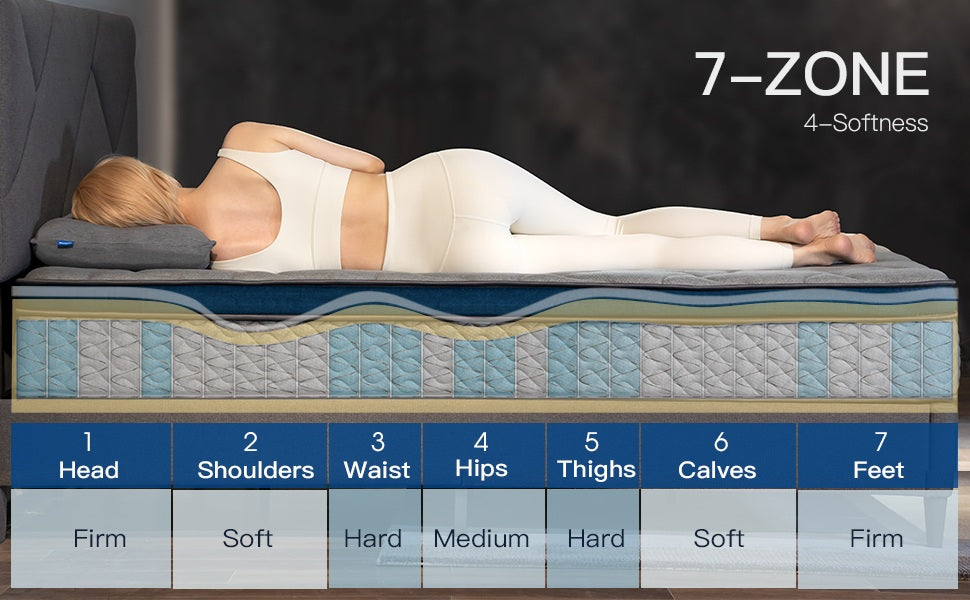
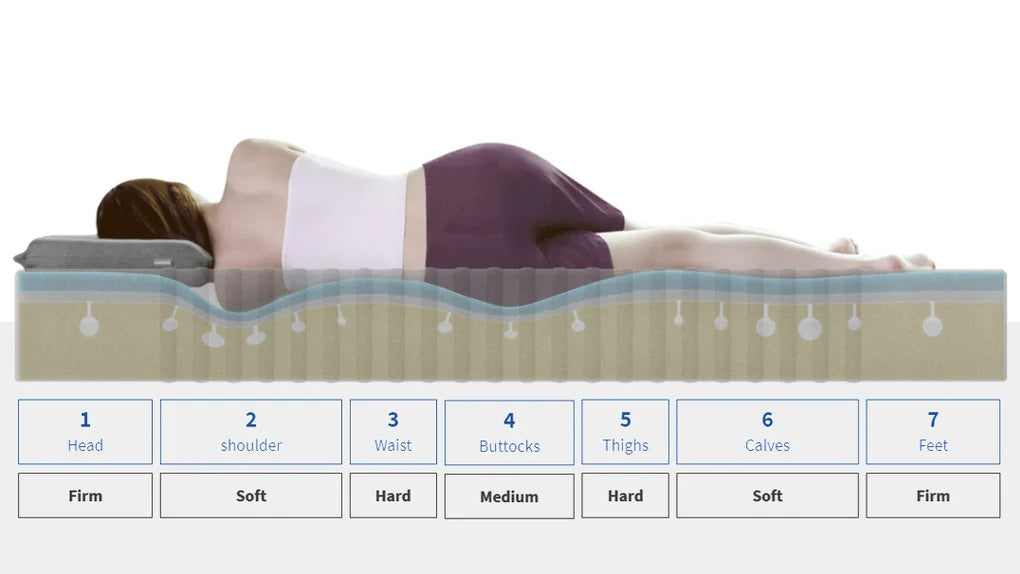
Another key factor is zoned support. A mattress with 5-7 zones of targeted support will provide extra firmness for your lower back and shoulders (the areas most affected by scoliosis) while being softer for your head and legs, keeping your spine in a neutral position throughout the night.
Best Mattress for Scoliosis in Australia
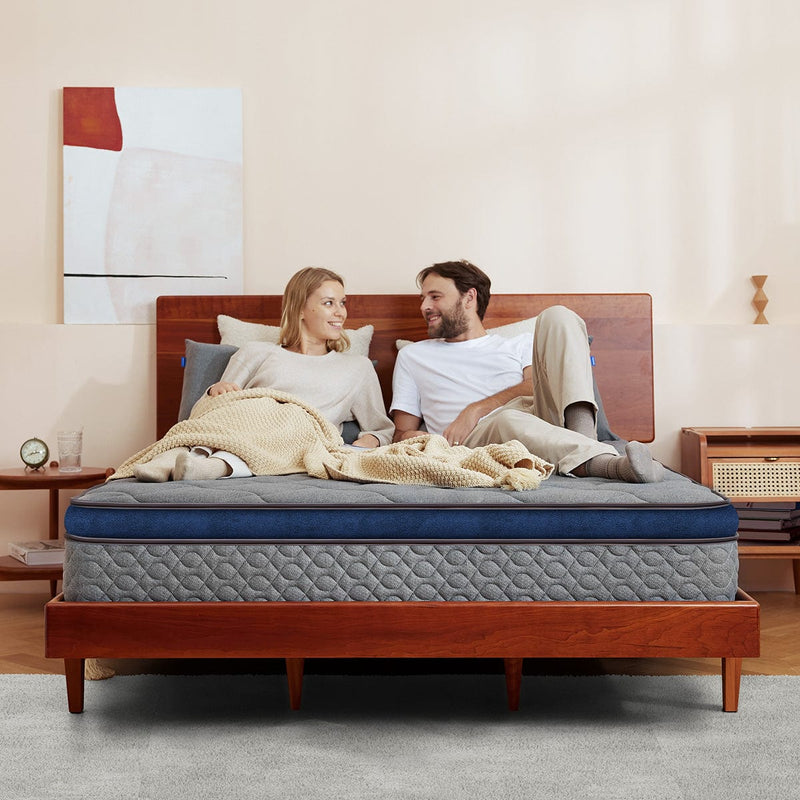
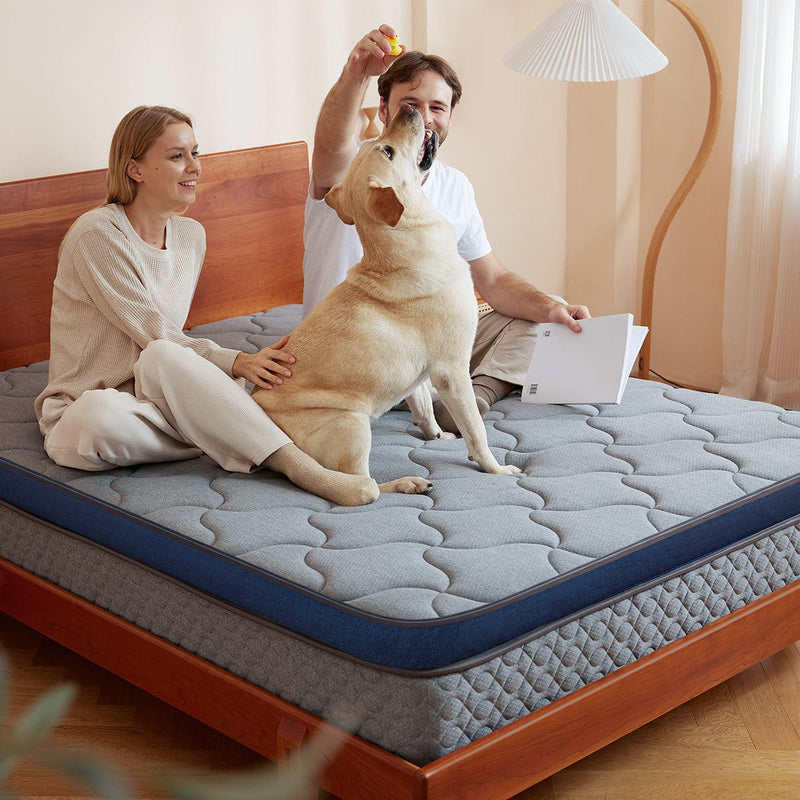
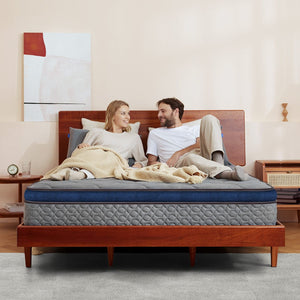
If you’re in Australia and searching for the best mattress for scoliosis, look no further than the Newentor Hybrid Mattress—our top pick for its perfect balance of support, contouring, and adaptability to the unique spinal needs of those with scoliosis.
Designed with scoliosis sufferers in mind, this medium-firm (6-7 on the 10-point firmness scale) hybrid mattress addresses the asymmetric pressure points caused by spinal curvature, making it an ideal choice for Australian sleepers.
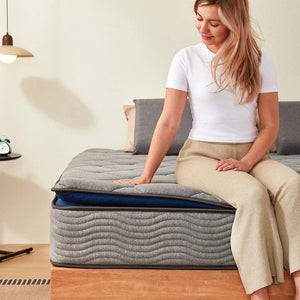
As a hybrid model, it combines a durable innerspring core with a layer of high-density gel memory foam—two key features that work in tandem to support scoliosis-affected spines.


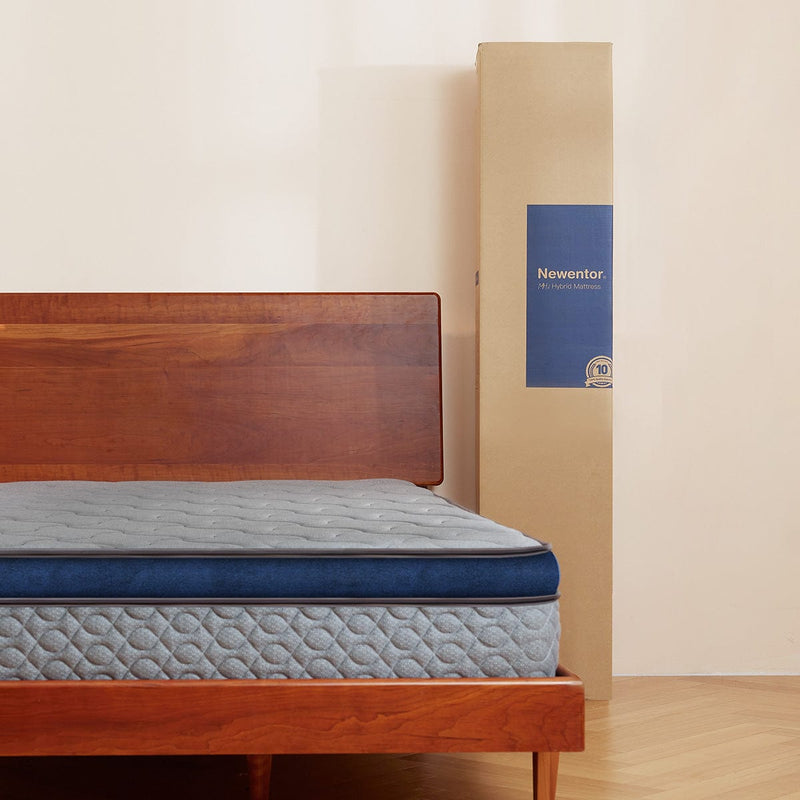
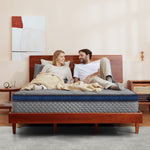
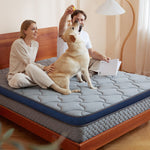


Newentor Hybrid Mattress
$488.00
$1,050.00
Save
$562.00
In stock, delivery in 3-5 days
- 7-Zone Support: Specifically designed to target and support your head, shoulders, waist, hips, thighs, calves, and feet, while promoting proper spinal balance.
- Individual Pocket Springs: Each spring is independently wrapped, offering excellent shock absorption and resilience.
- Gel-Visco memory foam + PCM foams relieve 98.8% body pressure while delivering cloud-cradled comfort for transformative sleep support.
The individually wrapped innerspring coils provide targeted support, adapting to the uneven pressure distribution caused by spinal curvature, while the gel memory foam contours gently to fill gaps under the concave side of the spine and cradle the convex side, reducing strain on muscles and joints.
What makes the Newentor Hybrid Mattress particularly suited for scoliosis is its 7-zone targeted support system, which focuses extra firmness on the lower back and shoulders—areas most affected by spinal curvature—while remaining softer for the head and legs to keep the entire spine in a neutral position throughout the night.
This zoned design prevents the spine from sinking too much (which exaggerates curvature) or being left unsupported (which causes muscle fatigue), addressing the core needs of those with scoliosis.
Tips for Maintaining Spinal Health
First, it’s important to note: most cases of scoliosis (especially idiopathic scoliosis in kids and teens) can’t be prevented—but you can slow its progression and reduce symptoms. Here are practical, easy-to-follow tips to protect your spine and keep scoliosis from getting worse:
1. Practice Good Posture
This is one of the simplest and most effective things you can do. When sitting, keep your back straight, shoulders relaxed, and feet flat on the floor—use a small pillow for lower back support if needed.
Avoid slouching over your phone or computer, and take breaks every 30 minutes to stretch if you’re sitting for long periods. When standing, keep your weight evenly distributed on both feet, and avoid leaning to one side.

2. Do Spine-Strengthening Exercises
Strong core and back muscles help support your spine and keep it aligned. Swimming is the best exercise for scoliosis—especially breaststroke and freestyle—because it’s low-impact and works all your back muscles without putting pressure on your spine. Other great options include plank, bridge, and yoga (focus on poses that stretch and strengthen your back). Aim for 30 minutes of exercise 3-5 times a week.

3. Get Regular Screenings
For kids and teens (10-15 years old), regular scoliosis screenings are crucial. Many schools offer screenings, but if not, talk to your doctor about getting a check-up. Catching scoliosis early (when the curve is small) makes it easier to manage and prevent it from getting worse. Adults with scoliosis should also get regular check-ups to monitor their curve.
4 Choose the Right Mattress (And Pillow!)
We’ve talked a lot about the best mattress for scoliosis, but a good pillow is just as important. Use a pillow that supports your neck and keeps your head aligned with your spine—avoid pillows that are too high or too flat. For side sleepers, a thicker pillow works best; for back sleepers, a thinner, contoured pillow is ideal.

FAQs about Mattress for Scoliosis
Is a firm mattress good for scoliosis?
No—ultra-firm mattresses are not the best choice. As we mentioned earlier, medium-firm is ideal. A mattress that is too hard can create gaps under the natural curves of your spine, leading to muscle fatigue as your body tries to compensate. Research published in Biology indicates that hard mattresses can reduce natural lumbar lordosis and significantly increase contact pressure, which often worsens scoliosis discomfort.
What sleep position is best for scoliosis?
The best sleep position often depends on your specific curve, but back sleeping is generally the safest and most recommended. This position evenly distributes your body weight and keeps your spine in a neutral position. If you prefer side sleeping, placing a pillow between your knees can help keep your hips and pelvis aligned. It is best to avoid stomach sleeping, as it forces the neck to turn and arches the back, which can strain the spine and worsen symptoms.
How does mattress thickness affect scoliosis?
Thickness is less important than density. A 10cm to 15cm high-density foam surface often provides better support than a 30cm low-quality, soft mattress. For those with scoliosis, a surface that is too thick and soft can cause the "hammock effect," where the middle of the body sinks, further straining the spinal curves.


Leave a comment

973 views , 4 mins read