



Figuring out if your mattress is too soft is easier than you think—your body will give you clear signs. Let’s break down the most common red flags.
Mattress Too Soft? How to Make Mattress Firmer Easily?
APR 20, 2026
Last updated: JUL 22, 2026


99 views , 3 mins read
Waking up sore, sinking into your bed, or tossing all night? Chances are your mattress is too soft—and it’s messing with your sleep and your back. Many people don’t realize how much mattress firmness affects daily comfort, especially if you’re using a bed in an RV, camper, or small space.
A mattress that’s too soft doesn’t just feel uncomfortable; it can strain your spine, disrupt deep sleep, and lead to chronic aches over time.

In this guide, we’ll walk you through how to tell if your mattress is too soft, simple ways to make it firmer, why firmness matters for your health, when to replace an old bed, and answer your top FAQs. Whether you’re at home or looking for the right mattress for RV camper use, these tips will help you sleep better and wake up pain-free.

In this article
How Do I Know If My Mattress is Too Soft?
First, the sink test. Lie on your back normally—if your hips and lower back sink deep into the bed, creating a hammock-like curve, your mattress lacks support. This misaligns your spine, forcing muscles to work overtime all night just to hold you steady. A study in the International Journal of Environmental Research and Public Health (2022) confirmed that soft mattresses alter spinal alignment and increase pressure on lumbar discs, which directly leads to morning stiffness.
Second, morning back pain. If you wake up with lower back, neck, or shoulder pain that fades after 30–60 minutes of moving around, your mattress is almost certainly too soft. Research published in The Lancet studied 313 chronic back pain patients and found that unsupportive soft mattresses worsen pain by keeping the spine in an unnatural position for 7–8 hours nightly.

Third, constant tossing and turning. You shouldn’t have to reposition 10+ times a night to get comfortable. Overly soft beds create uneven pressure points, interrupting sleep cycles and lowering overall sleep quality. If you feel restless instead of rested, your mattress is too soft.
Fourth, visible sagging or indentations. Check for permanent dips deeper than 3cm—these mean the support layers are broken down. Even if the top feels plush, a sagging core makes the bed feel soft and unsupportive, especially in RVs where space and weight limits can make mattress wear happen faster.

Fifth, sleeping better elsewhere. If you wake up pain-free at hotels, friends’ houses, or even on a firmer couch, your home mattress is too soft. This is a clear sign your body craves more support.
Other small signs: your partner feels every move you make (no motion isolation), the mattress feels warmer than usual (soft foam traps heat), or you struggle to get out of bed because you’re “stuck” in the sink. All of these add up to a mattress that’s too soft for your body.
How to Make a Mattress Firmer with 8 Simple Ways
You don’t have to buy a new bed right away—these 8 affordable fixes will make your soft mattress feel firmer and more supportive, perfect for home or a mattress for RV camper setups.
1. Add a firm mattress topper
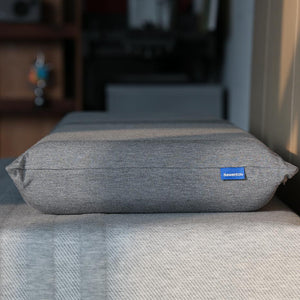
A high-density latex or firm memory foam topper (5-10 cm thick) is the quickest fix. Latex works best for RVs because it’s durable, lightweight, and resists sagging. It adds instant support without the sinky feeling of soft memory foam.


2. Slide a Plywood Board Under the Mattress
Adding a plywood board is one of the most effective low-cost ways to firm up a mattress that is too soft, and it works especially well for RV campers with flexible or weak bed bases.
- Step 1: Measure your mattress length and width to ensure the plywood fits perfectly inside your bed frame, accounting for the compact, often irregular space in an RV camper.
- Step 2: Purchase a thin, rigid plywood sheet and cut it to size, then sand all edges thoroughly to avoid tearing your mattress or leaving rough splinters.
- Step 3: Remove the mattress and lay the plywood flat over your existing bed base, slats, or RV platform to create a solid, unsinking foundation.
- Step 4: Replace the mattress on top of the plywood and test the feel—you’ll instantly feel less sinkage and better overall support, even on a soft mattress.

3. Rotate or flip your mattress
Most mattresses soften unevenly with use. Rotate 180 degrees every 3 months, or flip if double-sided. This redistributes wear and evens out firmness—simple, free, and effective.
4. Adjust your bedroom temperature
Memory foam softens in heat. Lower the room temp to 60–67°F (15–19°C) to firm up foam layers. This is an easy tweak for RVs, where temperature can fluctuate a lot.
5. Replace a worn bed base
Weak box springs, slatted frames, or sagging RV bed platforms make mattresses feel softer. Upgrade to a firmer foundation or add extra support slats for better stability.
6. Remove extra padded layers
Take off thick mattress pads, feather beds, or soft pillows that add plushness. Stripping to a fitted sheet alone can make a noticeable difference in firmness.
7. Use a firmness enhancer pad
These thin, dense pads sit on top of your mattress and provide targeted lumbar support. Great for side sleepers who need a little extra firmness without losing comfort.
8. Let a new mattress break in properly
Brand-new foam mattresses often feel softer at first. Give it 30–60 days to settle—regular rotation helps it reach its true firmness level.
Why is Mattress Firmness Important to Your Sleep?
Mattress firmness isn’t just a comfort preference—it directly impacts your spinal health, sleep quality, and daily energy.
1. Spinal Alignment
Your spine has a natural S-curve that needs neutral support. A too soft mattress causes the “hammock effect,” where your torso sinks and your spine bends. This strains muscles, ligaments, and discs.

2. Sleep Quality
Deep, restorative sleep requires minimal interruptions. Soft mattresses cause frequent tossing to relieve pressure points, cutting short deep sleep cycles.
3. Back Pain Prevention
Can a mattress that is too soft cause back pain? Absolutely. People with soft mattresses were twice as likely to report persistent back pain compared to those on medium-firm beds. For RV travelers who spend hours driving, a supportive mattress is even more critical to avoid added body strain.

4. Pressure Relief & Joint Health
The right firmness balances support and cushioning. Soft beds fail at support, while overly firm beds create harsh pressure points. Medium-firm (5–7/10) is the sweet spot for most sleepers.
5. long-term durability
A properly firm mattress holds its shape longer. Soft mattresses break down faster, leading to sagging and the need for early replacement—an important factor for a mattress for RV camper, which faces more movement and vibration than a home bed.
In short, firmness isn’t about being hard—it’s about support. A well-supported mattress helps you sleep deeper, wake up pain-free, and protect your long-term musculoskeletal health.
When Should You Replace Your Old Mattress
Even the best fixes won’t save a worn-out mattress. Here’s when to invest in a new one—especially if you’re shopping for a reliable mattress for RV camper use.
The general rule to replace your mattress every 7–10 years. RV mattresses may need replacing sooner (5–7 years) due to constant movement, temperature changes, and compact storage.
- Permanent sagging deeper than 1.5 inches.
- Persistent morning pain that fixes don’t help.
- Allergies or asthma flaring up (dust mites and mould build up over time).
- Loud squeaks, lumps, or torn fabric.
- You sleep better anywhere else.
- The mattress is over 7 years old (10+ years is way past its prime).
FAQs
Q: Can a mattress that is too soft cause back pain?
Yes. A too soft mattress misaligns the spine, strains back muscles, and increases disc pressure.
Q: How long does it take to fix a soft mattress?
Most fixes (topper, plywood) work instantly. Rotating or temperature adjustments take 1–3 nights to feel the full effect.
Q: Can I make a memory foam mattress firmer?
Yes. Lower the temperature, add a firm topper, or place plywood underneath. Avoid heat, which softens foam.
Q: How often should I rotate my mattress to keep it firm?
Rotate every 3 months, flip if double-sided. This prevents uneven softening and extends lifespan.
Leave a comment

99 views , 3 mins read