



That prickling, tingling sensation in your hands—medically known as paresthesia—happens when nerve signals between your limbs and brain get interrupted. Many people assume that cold or tingling hands mean blood circulation is cut off, but nerve compression is actually the most common culprit.
Why Do You Get Numb Hands When Sleeping? Causes & Fixes
AUG 03, 2026
Last updated: AUG 04, 2026


379 views, 3 mins read
Have you ever woken up in the middle of the night feeling like your hands are completely asleep? You try to move your fingers, but all you get is that uncomfortable "pins and needles" sensation.
Dealing with numb hands when sleeping is surprisingly common, but that doesn't make it any less annoying or unsettling. When you're trying to get a peaceful eight hours of sleep, waking up to dead weight at the end of your arms can throw off your entire night.

The good news is that for most people, nocturnal hand numbness is linked to simple habits or sleeping positions that are easy to fix once you know what to look for.

In this article
What is Actually Happening When Your Hands Go Numb?
Your arms contain three main nerves running down into your hands: the median nerve, the ulnar nerve, and the radial nerve. When prolonged pressure is placed on any of these nerves while you slumber, the signal transmission slows down. Once you shift positions and relieve that pressure, the nerve "wakes back up," causing that classic tingling feeling.
Common Reasons Your Hands Feel Numb When Sleeping
1. Awkward Sleeping Positions
The way you position your body overnight plays a huge role in how your arms feel in the morning. Many side sleepers subconsciously tuck their hands tightly under their head or body, bending their wrists at sharp angles. Others sleep on their stomach with their arms stretched straight up above their head.
Sleeping with hyper-flexed wrists or pressure directly on your elbow joints puts intense mechanical pressure on peripheral nerves. If your wrists remain bent for hours, the median nerve gets pinched, leading to that familiar wake-up call where your hands feel numb when sleeping.

2. Carpal Tunnel Syndrome
If your hands are going numb almost every night, carpal tunnel syndrome might be the cause. The carpal tunnel is a narrow passageway in your wrist that houses the median nerve and tendons. Repetitive motions during the day—like typing, texting, lifting, or using heavy tools—can cause inflammation around these tendons.
At night, fluid naturally redistributes throughout your body, increasing pressure inside the wrist joint. When combined with bent wrists while sleeping, this extra pressure compresses the median nerve, leading to numbness, tingling, and weakness in the thumb, index, and middle fingers.

3. Cubital Tunnel Syndrome (Ulnar Nerve Pressure)
While carpal tunnel affects the thumb side of your hand, cubital tunnel syndrome targets the opposite side—specifically your pinky finger and half of your ring finger. The ulnar nerve runs through the inside of your elbow (the area often called the "funny bone"). If you sleep with your arms deeply bent at the elbow—like hugging a pillow tightly—the ulnar nerve gets stretched and compressed, causing your pinky and ring fingers to go numb.

4. Peripheral Neuropathy & Underlying Health Conditions
Sometimes, hand numbness is more than just a temporary sleeping position issue. Conditions like diabetes, vitamin B12 deficiencies, thyroid dysfunction, or neck issues (like a herniated disc compressing nerves in the cervical spine) can make peripheral nerves far more sensitive.
3 Easy Tips to Stop Hands from Going Numb at Night
1. Adjust Your Sleeping Posture
The fastest way to prevent nerve compression is to practice neutral spine and wrist posture:
- Side Sleepers: Avoid bending your wrists underneath your chin or pillow. Try holding a small pillow against your chest to keep your arms resting naturally in front of you.
- Back Sleepers: Keep your arms resting flat by your sides or slightly resting on a top pillow without bending your elbows past 90 degrees.
- Stomach Sleepers: Consider shifting toward back or side sleeping, as sleeping on your stomach often forces you to place your arms in awkward overhead positions that strain neck and shoulder nerves.

2. Wear a Night Wrist Splint
If you tend to bend your wrists in your sleep without realizing it, a lightweight nightly wrist brace can be a total game-changer. Wearing a rigid splint keeps your wrist in a neutral straight position while you sleep, relieving pressure on the median nerve. Studies cited by the American Academy of Orthopaedic Surgeons (AAOS) show that nocturnal splinting significantly reduces night-waking and hand numbness symptoms for carpal tunnel sufferers.

3. Upgrade Your Pillow Setup
Your neck position directly impacts the nerves leading down to your arms. Using a supportive pillow that keeps your head, neck, and shoulders in a straight line prevents cervical nerve root compression. Because everyone’s shoulder width and preferred sleeping position are different, a one-size-fits-all pillow rarely cuts it.

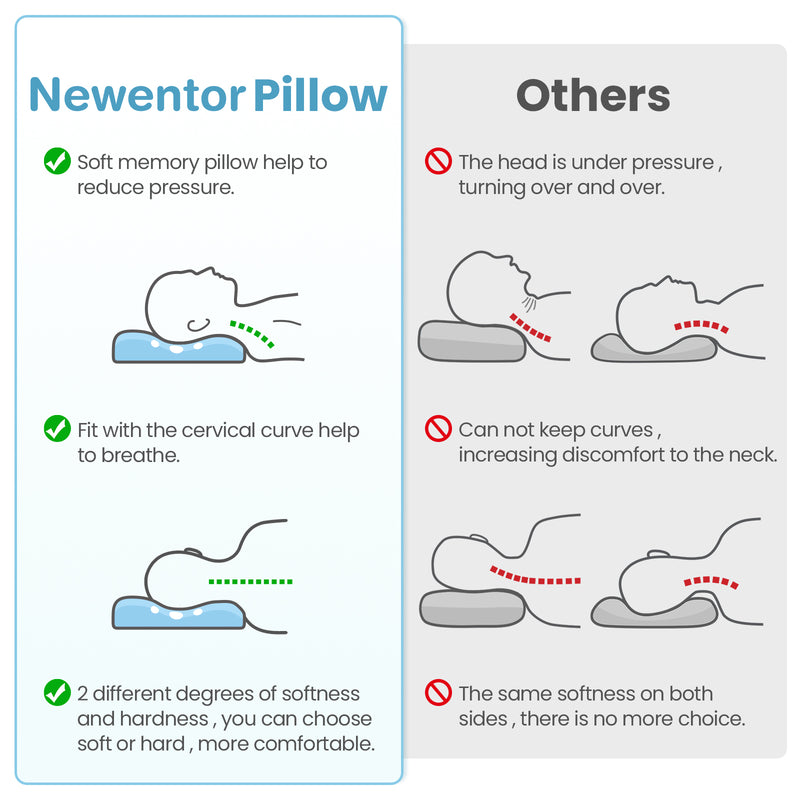
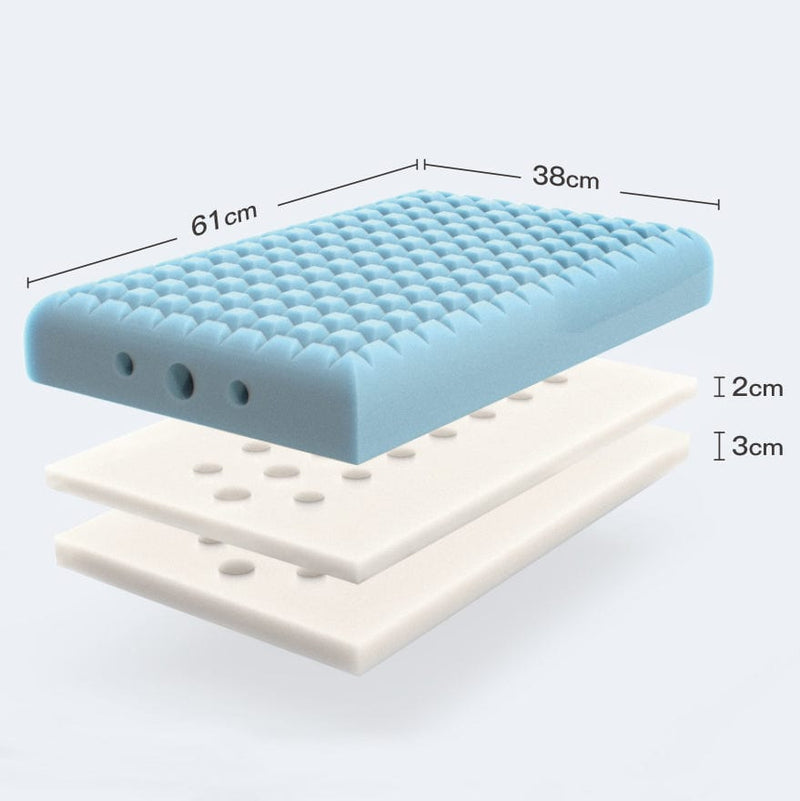
This is where an adjustable pillow becomes essential—it lets you customize the height and firmness to maintain optimal spinal alignment throughout the night. For example, options like the Newentor adjustable pillow allow you to easily remove or add memory foam layers, helping you fine-tune your setup so your neck stays supported and your hands stay symptom-free.












Newentor Memory Foam Pillow
$91.00
$140.00
Save
$49.00
In stock, delivery in 3-5 days
- CertiPUR-US & OEKO-TEX certified for quality and safety, with no chemical smells.
- 2 adjustable height pads offer four distinct pillow heights, ensuring personalized comfort for any sleep position.
- Ergonomic Contour: The contoured design lifts the head and neck to ensure proper alignment and promote muscle relaxation.
- Breathable 3D structure encourages heat and moisture to disperse from the pillow surface.Select 80 more words to run Humanizer.
- 120 nights free trial & 10 years warranty.
When Should You See a Doctor?
For most people, adjusting sleep posture or using a wrist splint resolves the issue within a week or two. However, you should consult a healthcare professional or primary care physician if you notice any of the following red flags:
- Numbness that persists long into the daytime hours or doesn't go away shortly after waking up.
- Progressive weakness in your hands, such as frequently dropping objects or struggling to turn door knobs.
- Persistent muscle loss at the base of your thumb or hand.
- Numbness accompanied by severe pain, burning sensations, or shooting sensations down your arm.
FAQs about Numb Hands When Sleeping
1. Is waking up with numb hands serious?
For most people, occasional numbness is harmless and caused by temporary nerve compression due to sleeping in an awkward position (like curling your wrists or sleeping directly on your arm).
However, if it happens almost every night, takes a long time to go away after waking, or is accompanied by hand weakness or daytime pain, it may indicate an underlying condition like carpal tunnel syndrome or a pinched nerve in the neck.
2. Why does hand numbness feel worse at night?
Nighttime hand numbness is often worse for two main reasons:
- Positioning: While sleeping, you naturally relax and subconsciously bend your wrists or elbows, which puts continuous pressure on nerves for hours.
- Fluid Redistribution: When you lie flat, body fluids redistribute, slightly increasing pressure inside small joint spaces like the carpal tunnel in your wrist.
3. Which fingers are numb, and what does it mean?
The specific fingers affected give a big clue about which nerve is compressed:
- Thumb, index, middle, and half the ring finger: This points to the median nerve, which is typical of carpal tunnel syndrome.
- Pinky finger and half the ring finger: This points to the ulnar nerve, which is typical of cubital tunnel syndrome (often caused by bending elbows deeply while sleeping).
- Whole arm or hand: This can indicate compression at the shoulder or a pinched nerve root in the cervical spine (neck).
4. What quick relief steps can I take when I wake up with numb hands?
If you wake up with that "pins and needles" feeling, try these quick actions:
- Change position immediately: Relieve any physical pressure off your arm, wrist, or elbow.
- Gently shake and flex your hands: Open and close your fists and roll your wrists to restore normal nerve signaling and blood flow.
- Run warm water over your hands: Warm water helps loosen tight muscles and stimulates circulation.
Bottom Lines
Numb hands when sleeping can destroy your sleep quality. Simple tweaks reduce times your hands are going numb when i sleep. Track what makes hands feel numb when sleeping and try wrist braces first.
If bad posture causes your hands get numb when sleeping, grab Newentor height-adjustable pillow—it aligns your neck to release compressed nerves and prevent hands go numb when sleeping. Seek medical help if tingling lasts weeks; fixing root issues early guards nerve health for pain-free sleep.






Leave a comment

379 views, 3 mins read