



When anxiety hits, your brain floods your body with cortisol—the stress hormone. High cortisol keeps your heart racing and your mind active, making relaxing almost impossible.
Best Vitamins for Sleep and Anxiety: 6 Solutions for Rest
JUL 28, 2026
Last updated: JUL 30, 2026


762 views , 3 mins read
If racing thoughts and restless nights plague you, the best vitamins for sleep and anxiety can fill nutrient gaps that worsen stress and insomnia.

This guide breaks down science-backed vitamins for good sleep, shares safe dosing rules, and explains how each nutrient calms nerves while lengthening restful sleep cycles. We’ll cover trusted options to act as vitamins for better sleep and detail simple habits to pair supplements with lasting relief.

In this article
The Hidden Connection Between Stress, Anxiety, and Poor Sleep
Over time, chronic stress drains your body’s essential nutrients. Lacking key vitamins makes it harder to relax your muscles and produce natural sleep hormones like melatonin.
Restoring these vitamins calms your nervous system, reduces bedtime worries, and prepares your mind for restful sleep.
6 Best Vitamins for Sleep and Anxiety
1. Magnesium Glycinate – Top Mineral for Tense Nights
Magnesium ranks first among vitamins to help sleep and ease anxiety symptoms. Over a 2022 meta-analysis of 19 clinical trials, magnesium drastically lowered PSQI sleep disorder scores by relaxing tight muscles and balancing stress hormones.
Most people lack daily magnesium from processed diets, leading to midnight wakefulness.
Stick to 200–400mg glycinate 45 minutes before bed; avoid oxide versions that trigger stomach upset.
This mineral works perfectly for anyone whose anxiety shows up as physical body tension at bedtime.

2. Melatonin – Regulate Your Disrupted Sleep Clock
Melatonin is the most studied supplement when searching for vitamins for sleep. Your brain makes this hormone after dark; screen time and irregular schedules deplete its supply.
A landmark PLOS ONE review found low-dose melatonin cuts sleep-onset wait times by 7 minutes on average. For mild anxiety linked to jet lag or shift work, take 0.5–3mg nightly—higher doses risk morning grogginess.
It targets circadian issues rather than constant anxious rumination, so pair it with other nutrients for dual relief.

3. L-Theanine – Calm Anxiety Without Drowsiness
L-theanine is ideal if you need vitamins to help u sleep while overthinking nonstop.
Sourced from green tea, this amino acid boosts relaxing alpha brain waves without making you foggy the next day. 200–450mg daily lowers anxiety markers and raises sleep satisfaction scores.
Take it 30–60 minutes pre-bed; it quiets mental chatter so you can slip into deep sleep faster. Unlike sedatives, it delivers steady calm with zero dependency risks long-term.

4. Vitamin B6: The Mood and Melatonin Booster
Vitamin B6 plays a critical role in producing serotonin and melatonin—the hormones responsible for mood regulation and sleep cycles.
If you struggle with nighttime anxiety, B6 can help stabilize your mood before bed. It acts as a bridge, helping your body convert amino acids into relaxation hormones naturally.
Pairing B6 with magnesium creates a powerful combination to combat restless, anxious nights.

5. Vitamin C: Lowering Stress and Cortisol
Vitamin C is famous for immunity, but it is also a mighty warrior against stress. It helps clear cortisol from your bloodstream after stressful events.
By keeping your body's stress response in check, vitamin C prevents late-night anxiety spikes.
It protects your nerve cells from oxidative stress, helping you settle down much faster when your head hits the pillow.

6. Vitamin B12: Restoring Your Sleep-Wake Cycle
Vitamin B12 supports your nervous system and helps regulate your circadian rhythm—your body's internal clock.
When B12 levels are low, you might experience brain fog, daytime fatigue, and nighttime restlessness.
Keeping your B12 levels balanced ensures you feel energized during the day and ready for vitamins for good sleep to work their magic at night.

How to Take Sleep Vitamins for Maximum Results?
Not all supplements are created equal, so picking the right ones matters.
- Check the forms: Choose magnesium glycinate over citrate, as it is gentler on your stomach and better for relaxation.
- Timing is key: Take B vitamins earlier in the day for energy, and magnesium 30–60 minutes before bed.
- Consult a doctor: Always talk to a healthcare provider before starting new vitamins to help sleep, especially if taking medication.
Lifestyle Habits to Enhance Your Vitamin Routine
Supplements work best when paired with healthy bedtime habits.
- Power down screens: Blue light suppresses melatonin, making it harder for vitamins to help u sleep effectively.
- Keep a routine: Go to bed and wake up at the same time every day to sync your biological clock.
- Create a calm space: Dim the lights, lower the room temperature, and limit caffeine after 2 PM.
Pair Vitamins with a Better Sleep Environment
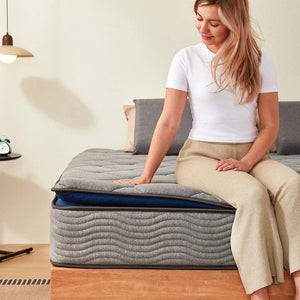
Your nighttime vitamins can only do so much if your bed is working against you. Tossing and turning from trapped body heat, or waking up with an aching neck and back, completely undoes all your efforts to relax.
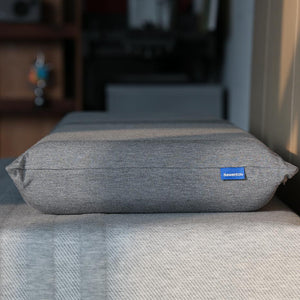
True sleep recovery happens when your physical environment matches your internal nutrient routine. That is where Newentor’s ergonomically engineered mattresses and contouring pillows come in.
Designed with multi-layer support and breathable cooling technology, Newentor cradles your spine into perfect alignment while whisking away excess heat.
By upgrading your setup with Newentor, you release muscle tension the second your head hits the pillow—helping you drift off effortlessly and stay asleep all night long.




FAQs about Vitamins for Sleep
1. What are the best vitamins for sleep and anxiety overall?
Magnesium glycinate + L-theanine form the top combination for stress-induced insomnia. Melatonin works best only for shifted sleep schedules, while B-complex fixes nutrient deficiencies that worsen restless nights.
2. Can vitamins replace anti-anxiety medication?
No. These vitamins for better sleep are natural supportive aids, not medical treatments. If you live with severe clinical anxiety, consult a doctor before stopping prescriptions.
3. How fast will I see sleep improvements?
Most users notice lighter nighttime wake-ups within one week of consistent use. Full anxiety and sleep benefits usually kick in after two full weeks of steady supplementation.
Bottom Lines
Finding the best vitamins for sleep and anxiety can quiet a racing mind and restore your energy naturally. But supplements are only half the story. To truly unlock deep, restorative rest, pair your internal routine with the right support.
Upgrading to a Newentor mattress or an ergonomic Newentor pillow relieves body pressure and aligns your spine, helping you drift off effortlessly every night.
Leave a comment

762 views , 3 mins read