



Before jumping into fixes, it helps to understand what is sleep hygiene. Simply put, it refers to the healthy habits, behaviors, and environmental factors that help you get a good night's rest.
Sleep Hygiene Tips: 7 Simple Habits for Better Sleep
AUG 11, 2026
Last updated: AUG 12, 2026


5265 views, 3 mins read
Tired of tossing and turning all night, waking up groggy and unrefreshed? These easy sleep hygiene tips will help you fix restless nights, fall asleep faster, and stay asleep longer.

In this guide, we’ll cover what sleep hygiene is, practical advice for insomnia, and simple sleep hygiene tips to boost your sleep quality—no complicated routines required.

In this article
What Is Sleep Hygiene and Why Does It Matter?
Think of it as personal hygiene for your brain. Just like brushing your teeth prevents cavities, building good sleep habits keeps your circadian rhythm in sync so you can fall asleep naturally.

Why Is Sleep Hygiene Important for Health?
Consistent rest isn't just about avoiding fatigue—it directly impacts your heart, mood, and immune system. According to data from the Australian Institute of Health and Welfare (AIHW), roughly 1 in 3 adults in Australia do not get enough sleep regularly.
When you prioritize sleep hygiene, you lower your stress hormones, support memory consolidation, and give your muscle tissues time to repair.
7 Best Sleep Hygiene Tips for Your Evening Routine
Setting yourself up for restorative rest starts hours before you actually hit the pillow. Incorporate these actionable sleep hygiene tips into your nightly habit loop to signal to your body that it is time to wind down:
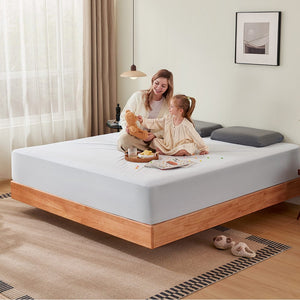
1. Protect Your Bedding with a Waterproof Mattress Protector
A high-quality waterproof mattress protector guards against spills, sweat, and allergens like dust mites. Keeping your mattress clean and dry creates a healthier, more hygienic environment for uninterrupted sleep.

2. Stick to a Strict Sleep Schedule
Go to bed and wake up at the exact same time every day—even on weekends. Consistency reinforces your body’s natural circadian rhythm, making it much easier to fall asleep and wake up naturally.
3. Power Down Screens Early
Turn off smartphones, tablets, and TVs at least 30 to 60 minutes before bed. Blue light suppresses melatonin production, tricking your brain into thinking it is still daytime.
4. Cut Off Caffeine Early in the Afternoon
Avoid coffee, energy drinks, and tea at least 6 hours before your target bedtime. Caffeine remains in your system far longer than you think, keeping your heart rate elevated.

5. Build a 30-Minute Wind-Down Buffer
Dedicating time to relax before getting under the covers reduces nighttime stress. Try light stretching, reading a physical book, journaling, or listening to calming music to ease mental tension.
6. Keep Evening Meals Light
Avoid heavy, greasy, or spicy foods right before sleeping. Large meals take hours to digest, which can trigger acid reflux and keep your digestive system active when it should be resting.
7. Avoid Using Alcohol as a Nightcap
While a drink might make you feel drowsy initially, alcohol severely fragments your sleep architecture later in the night, stripping away essential REM sleep.
Effective Sleep Hygiene Advice for Daily Lifestyle Habits
Good rest isn't just about what you do right before bed. Solid sleep hygiene advice extends to your daily routine, as daytime habits directly shape your nighttime sleep quality:
- Get Morning Sunlight: Step outside for 10–15 minutes of natural sunlight within an hour of waking up. Sunlight resets your internal circadian clock and boosts daytime alertness.
- Stay Physically Active: Regular exercise—like walking, running, or strength training—promotes deeper, more restorative sleep cycles. Just finish intense workouts a few hours before bedtime.
- Limit Daytime Naps: If you must nap, keep it under 20–30 minutes and finish before 3:00 PM so you don't ruin your natural sleep drive for the night.
Creating a Bedroom Sanctuary for Better Sleep
Your bedroom environment plays a massive role in how easily you drift off and stay asleep. Turning your room into a peaceful sanctuary reinforces positive sleep habits:

- Keep the Room Cool: Set your thermostat between 60°F and 67°F (15°C to 19°C). A cooler environment mimics the body’s natural drop in core temperature during sleep.
- Block Out Unwanted Light: Dark rooms trigger melatonin production. Use heavy blackout curtains or an eye mask to eliminate streetlights and morning sun.
- Silence Disruptive Sounds: If you live in a noisy area, use a fan, white noise machine, or earplugs to mask sudden background sounds that wake you up.
- Use Bedding Designed for Hygiene: Pair your mattress with a breathable, washable cover and clean sheets to prevent allergen buildup that causes nighttime congestion.
Common Sleep Hygiene Mistakes to Avoid
Even with the best intentions, subtle everyday habits can derail your rest. Avoid these common mistakes to protect your sleep quality:
- Lying in Bed Awake for Too Long: If you can't fall asleep after 20 minutes, get out of bed. Go to a dimly lit room and do a quiet activity until you feel sleepy.
- Working or Eating in Bed: Keep your bed strictly reserved for sleep and intimacy. This conditions your brain to connect your bed with rest, not stress or work.
- Relying on Alcohol or Sleeping Pills: While they may knock you out quickly, they interrupt deep sleep and can lead to dependency over time.
FAQs about Sleep Hygiene
Q: What is sleep hygiene in simple terms?
A: Sleep hygiene is the set of daily and bedtime habits designed to help you fall asleep faster and stay asleep longer. It covers schedule, light exposure, diet and bedroom setup.
Q: Can sleep hygiene for insomnia fix chronic sleeplessness completely?
A: It greatly improves mild‑to‑moderate sleep trouble. For long‑term clinical insomnia, pair sleep hygiene tips with professional medical or CBT‑I support.
Q: How long until I see results from sleep hygiene advice?
A: Most people notice better sleep within 1‑2 weeks of sticking to consistent habits. Circadian rhythm changes take time, so do not give up after one or two nights.
Q: Do I need to change every habit all at once?
A: No. Pick 2‑3 easy sleep hygiene tips first, master them, then add more changes. Overhauling your whole life overnight often leads to burnout.
Bottom Lines
These easy‑to‑adopt sleep hygiene tips build steady improvements for restless nights. Whether you are learning what is sleep hygiene for the first time or applying sleep hygiene for insomnia, small repeated choices beat drastic short‑term fixes.
Stick to reliable sleep hygiene advice, tweak your bedroom and daily rhythm, and you will gradually enjoy more stable, restorative sleep.


Leave a comment

5265 views, 3 mins read