



To understand the modal material, we have to look at its roots—literally. Modal is a type of rayon, a semi-synthetic cellulose fiber. While polyester is born in a lab from petroleum, modal starts in a forest. It is made from the wood pulp of beech trees.
What is Modal Fabric? The Ultimate Guide 2026
FEB 27, 2026
Last updated: JUL 22, 2026


583 views, 6 mins read
Modal fabric is often used to make items like underwear and bedsheets because it is breathable, cool, and silky smooth against the skin.
But what is modal fabric, exactly? If you’re like most people, you probably wondered if it was a fancy type of cotton or some high-tech synthetic. In this guide, we will tell you everything you need to know about the modal fabric and whether it is healthy for your body.


In this article
What is Modal Fabric?
The manufacturing process involves spinning reconstituted cellulose from these trees into a modal fiber.
According to the Council of Fashion Designers of America (CFDA), modal is often considered a more sustainable alternative to traditional rayon because the production process uses fewer chemicals and the beech trees themselves require significantly less water than cotton plants.
Want to know what the differences are between Modal fabric and cotton? Check this article to know more: Modal Fabric vs Cotton, Which is Best for You?
Basic Info of Modal Fabric
| Category | Details |
|---|---|
| Fabric name | Modal fabric |
| Fabric also known as | High-wet-modulus rayon, HWM rayon |
| Fabric composition | Cellulose from beechwood trees and synthetic ingredients (processed via chemical solution) |
| Fabric possible thread count variations | 150-300 (common range for sheets and apparel) |
| Fabric breathability | Very breathable |
| Moisture-wicking abilities | High (absorbs about 50% more water than cotton) |
| Heat retention abilities | Low (cool to the touch, ideal for warm weather) |
| Stretchability (give) | Moderate to High (especially when blended with spandex/elastane; pure modal has natural give but less recovery) |
| Prone to pilling/bubbling | Low (when produced with long-staple fibers like Lenzing Modal) |
| Country where fabric was first produced | Japan (1950s) |
| Biggest exporting/producing country today | China (largest volume); Austria (highest quality, home of Lenzing AG) |
| Recommended washing temperatures | Cold (30°C / 86°F or below) |
| Commonly used in | Sportswear, underwear, T-shirts, bed sheets, pajamas, towels. |
What are the Features, Pros and Cons of Modal Fabric?
Key Features of Modal Fabric
Plant-Based Origins
It starts as cellulose extracted from beech trees.
Exceptional Drape
It hangs beautifully on the body without being as high-maintenance as silk.
Color Retention
The fibers take dye exceptionally well and are resistant to fading.
High Absorbency
It is roughly 50% more absorbent than cotton, making it excellent for moisture-wicking.
Pros
- The "Second Skin" Softness: The most obvious pro is the texture. It’s exceptionally smooth and stays soft even after multiple washes.
- Breathability: Modal is about 50% more absorbent than cotton, meaning it wicks moisture away from the skin beautifully.
- Durability: Unlike other delicate fabrics, modal fabric is resistant to shrinkage and pilling. It holds its shape and color like a champ.
- Eco-Friendly Edge: Since it’s plant-based, it’s biodegradable, especially if produced using the "closed-loop" system popularized by companies like Lenzing.
Cons
- Price Point: You’ll likely pay a bit more for modal clothing fabric than you would for basic polyester.
- Stretchiness: While great for comfort, modal can sometimes stretch out too much if it isn't blended with other fibers like spandex.
- Care Requirements: Some high-end modal textiles prefer cold water and air drying to maintain that "silky" finish.
What is the modal fabric best suited for making?
Because of its unique drape and cooling properties, you’ll find this modal material in specific areas of your home and closet.
- 1. Underwear and Intimates: This is where modal truly shines. Because it is moisture-wicking and incredibly soft against sensitive skin, it's the gold standard for luxury boxers, briefs, and bras.
- 2. Activewear: If you're tired of the "plastic" feel of 100% polyester gym clothes, look for a modal blend. It offers the performance of a synthetic with the comfort of a natural fiber.
- 3. Sleepwear: Imagine sliding into bed with pajamas that feel cool to the touch. Modal's breathability makes it perfect for "hot sleepers."
- 4. Bedding: High-end sheets or pillowcases made from modal textiles are becoming a massive trend in Australia and the US. They offer a silk-like sheen without the high-maintenance care of actual silk.
- 5. Everyday Basics: Think of those "drapier" t-shirts or sundresses that don't wrinkle easily—those are often made of a modal material fabric.
Note
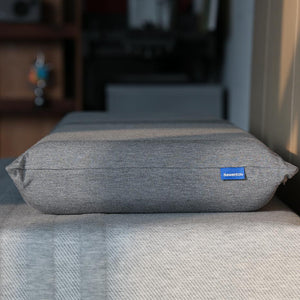
- The Newentor Pillowcase combines ultra-breathable modal fabric with a specialized 3D structure to whisk away heat and moisture. It’s soft, skin-friendly, and designed for your comfort. Buy a pillow today and get a FREE modal pillowcase!


Lullanna Cloud Dream Zero G Pillow
$81.00
$180.00
Save
$99.00
Out of Stock
- Sponsored Pillow for Five-Star Hotels.
- Adjustable Support for Healthy Neck Alignment.
- Four Adjustable Heights.
- Machine Cutting 143 small cubes to Sleep Dry and Cool.
Modal Fabric vs. Tencel Lyocell vs. Cotton: What's the Difference Between Them?
Modal, Tencel (Lyocell), and Cotton are three of the most popular fabrics today, but they each have distinct characteristics.
1. Modal
Modal is essentially the "premium" version of rayon. Made primarily from the pulp of beech trees, it is engineered to be incredibly silky and smooth.
- Best For: Underwear, pajamas, lounge pants, and lightweight t-shirts.
- The Vibe: Like a "second skin." It's draped, fluid, and never feels heavy.
- Why choose it? If your top priority is a fabric that stays soft after 50 washes and won't pill (those annoying little fuzz balls), Modal is your winner.

2. Tencel Lyocell
Tencel is a brand name for a type of Lyocell made by the company Lenzing. It is made from eucalyptus trees using a "closed-loop" process, which recovers 99% of the solvents used.
- Best For: High-end bed sheets, activewear, and sustainable fashion.
- The Vibe: Cool to the touch, slightly "crisper" than modal but smoother than cotton.
- Why choose it? It is the most breathable and moisture-wicking of the three. If you are a "hot sleeper" or care deeply about environmental impact, Tencel is the gold standard.

3. Cotton
Cotton is a completely natural fibre harvested from the cotton plant. It's the world's most used textile for a reason: it's reliable and easy to produce.
- Best For: Jeans, towels, structured button-down shirts, and classic bedding.
- The Vibe: Fresh, crisp, and sturdy.
- Why choose it? It has a "structure" that Modal and Tencel lack. However, cotton tends to shrink, fade, and hold onto moisture longer than the other two.

Side by Side Comparsion
| Feature | Modal | Tencel Lyocell | Cotton |
|---|---|---|---|
| Feel | Silky & fluid | Smooth & cool | Crisp & sturdy |
| Breathability | High | Excellent (Best) | Moderate |
| Sustainability | Moderate (Beech wood) | High (Closed-loop) | Variable (Uses much water) |
| Durability | High (Resists pilling) | Very High | High (But prone to shrinking) |
| Moisture Wicking | Good | Excellent | Low (Holds water) |
| Price | Mid-range | Premium | Budget to Premium |
FAQs about Modal Textiles
1. Is modal healthy to wear?
Yes. Modal is widely considered one of the "healthiest" fabrics for everyday wear, particularly for those with sensitive skin.
While the finished fabric is safe, if you have extreme chemical sensitivities, look for "OEKO-TEX Certified" modal, which ensures no harmful residues from the manufacturing process remain in the threads.
2. How to care for modal fabric?
Modal is the "low-maintenance cousin" of silk. To keep it in peak condition, avoid its two primary enemies: high heat and friction.
Storage: Fold your modal knits rather than hanging them to prevent "hanger bumps" or gravity-induced stretching.
Ironing: It is naturally wrinkle-resistant, so ironing is rarely needed. If necessary, use a low setting and a pressing cloth to prevent the iron from leaving a "shiny" scorched mark on the fibers. Treat it gently, and it will maintain its signature "second skin" softness for years.
3. Does modal shrink?
Modal is famous for its dimensional stability, meaning it is far less likely to shrink than 100% cotton. However, it isn't totally invincible.
While it resists shrinking in standard conditions, exposing it to scalding hot water or high-heat dryer settings can cause the fibers to contract. Interestingly, pure modal is actually more prone to stretching out over time than shrinking. This is why it's frequently blended with fibers like spandex—it helps the garment "snap back" into its original shape after every wear.
4. How to wash modal?
To wash modal like a pro, follow the "Cool & Gentle" rule.
- Water: Use cold or lukewarm water to preserve the fiber strength and dye.
- Cycle: Select the delicate cycle.
- Protection: Turn items inside out or use a mesh laundry bag to prevent pilling caused by rubbing against zippers or buttons.
- Detergent: Use a mild liquid detergent; avoid bleach, as it weakens the plant-based fibers.
- Drying: Air drying is king. Lay it flat to avoid stretching. If you must use a dryer, use the lowest heat setting possible.
Botton Lines
Whether used for clothing or bedding, modal fabric is an excellent choice.
The Newentor pillow features a breathable, cooling modal cover that feels silky smooth against your skin, paired with a customizable memory foam core that lets you adjust the firmness to your perfect level. Plus, with a 120-night trial, you can experience the comfort risk-free and decide if it's right for you.



Leave a comment

583 views, 6 mins read