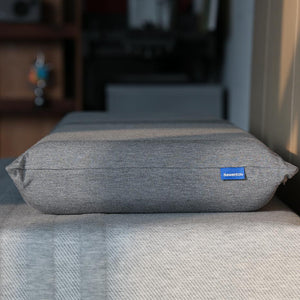
1. Material
Opt for memory foam for personalized support, latex for breathability and quick rebound, or adjustable foam layers for long-term use. Prioritize breathable, hypoallergenic materials if you sleep hot or have allergies.
2. Sleep Position (Back)
Choose a lower loft (8-12cm) to keep your neck neutral. Fixed-height contour pillows work well if you’ve found your perfect height; adjustable ones suit those still figuring it out.
3. Sleep Position (Side)
Go for a taller loft (12-15cm) to fill the shoulder-head gap. Butterfly/ergonomic or adjustable pillows offer the support needed to avoid neck tilting.
4. Sleep Position (Stomach)
Use a very thin pillow (or none) to minimize neck strain. Avoid thick, firm options that tilt your head upward and worsen pain.
5. Firmness
Aim for medium-firm support. Too soft fails to support; too firm causes pressure points—ideal for relieving neck tension and maintaining alignment.