



First things first: let’s make sure we’re on the same page about what sleep apnea actually is. Sleep apnea is a common sleep disorder where your breathing repeatedly stops and starts throughout the night—sometimes dozens of times an hour—because your upper airway collapses or becomes blocked when you sleep.
Best Pillow for Sleep Apnea without CPAP in Australia 2026
MAY 07, 2026
Last updated: JUL 22, 2026


816 views, 5 mins read
For Aussies with sleep apnea, a good pillow is no trivial thing—it’s a key to easier breathing. Unlike the wrong one that misaligns your head and worsens symptoms, a well-designed pillow supports your neck and airway, easing discomfort. It won’t cure OSA, but it makes living with it and sticking to treatment far simpler.

Below, we’ll dive into what is the best pillow for sleep apnea in Australia and the key factors you need to consider before buying.

In this article
What is sleep apnea?
The most common type is obstructive sleep apnea (OSA), which happens when the muscles in your throat relax too much, causing soft tissues to block your airway. Central sleep apnea (CSA), a less common type, occurs when your brain fails to send the right signals to your breathing muscles.

You might not even realize you have it—many people only find out because their partner complains about loud snoring (a classic symptom) or they wake up feeling drained. Other signs include morning headaches, a dry mouth, daytime sleepiness (even after 8+ hours of sleep), and trouble concentrating during the day.
Left untreated, sleep apnea can increase your risk of heart disease, stroke, dementia, and even car accidents, so it’s important to take it seriously. The gold standard treatment is CPAP (continuous positive airway pressure), but about 40% of people struggle to stick with it because it’s uncomfortable or disruptive to their sleep routine.
That’s where the best pillow for sleep apnea without CPAP comes in as a helpful alternative or supplement.
Do sleep apnea pillows really work?
No pillow can cure sleep apnea—but the right one can make a huge difference in your symptoms and sleep quality. The key is that sleep apnea pillows are designed to keep your airway open by supporting your head, neck, and jaw in the optimal position.
Unlike regular pillows, which can tilt your head forward or backward (narrowing your airway), these pillows are engineered to promote proper alignment, reducing snoring and breathing pauses.
Research indicates that gravity helps keep the tongue and soft tissues from blocking the airway, reducing apnea events compared to lying flat. This is why many experts suggest that the best pillow for sleep apnea is one that provides enough loft or incline to keep the upper respiratory tract clear.
So, do they work? For mild-to-moderate sleep apnea, absolutely. If you’re someone who can’t or won’t use CPAP, the best pillow for sleep apnea without CPAP can help you breathe easier at night. Even if you do use CPAP, a compatible pillow can make the mask more comfortable and reduce air leaks, improving your therapy compliance. Just remember: always check with your doctor first to make sure a pillow is a safe option for your specific case—especially if you have severe sleep apnea.
Types of pillows for sleep apnea in Australia
In the Australian market, we have some fantastic options. If you're hunting for the best pillow for sleep apnea Australia, you'll generally find three main types:
1. Wedge Pillows
Wedge pillows are large, triangle-shaped cushions designed to prop up your entire upper body. By keeping you at a 30-60 degree angle, gravity helps keep your airway open and prevents the tongue from falling backward.

Pros
- Gravity-Assisted Breathing: Excellent for reducing airway collapse and acid reflux (GERD), which often co-exists with sleep apnea.
- Multi-purpose: Great for reading or watching TV in bed.
- Durability: Usually made of high-density foam that maintains its shape for years.
Cons
- Size: They take up a lot of space in the bed.
- Adjustment Period: It can feel strange to sleep at an incline if you are used to lying flat.
- Slipping: Some sleepers find themselves sliding down the wedge during the night.
2. Contour Memory Foam Pillows
These have a distinct "wave" shape with a higher ridge under the neck and a dip for the head. This is essential if you're looking for the best pillow for sleep apnea without CPAP Australia can provide for side-sleeping comfort, as it maintains a neutral cervical spine and keeps the airway from collapsing.

Pros
- Ergonomic Support: Specifically cradles the neck to prevent the airway from kinking or narrowing.
- Side-Sleeping Friendly: Encourages you to stay off your back, which is the most high-risk position for apnea events.
- Pressure Relief: High-quality memory foam contours to your unique shape to reduce ear and shoulder pain.
Cons
- Heat Retention: Standard memory foam can sleep hot. However, modern options like the Newentor Lullanna Cloud Dream Zero-G Pillow solve this with an "Air-Flow" design and specialised cooling covers that whisk away heat.
- Fixed Height: Some contour pillows can't be adjusted, but the Lullanna version offers dual-height options (two different ridges) so you can choose the side that best fits your neck length.
3. CPAP Specific Pillows
If you do use a machine, these are designed with deep cut-outs or "zones" on the sides so your mask and hose don't get knocked out of place or leak when you turn.

Pros
- Mask Compatibility: Prevents the mask from pressing into your face, reducing skin irritation and leaks.
- Hose Management: Often includes tethers to keep the air tube from tangling.
- Improved Compliance: Makes wearing a CPAP significantly more comfortable, helping you stick to your treatment.
Cons
- Niche Design: Not very useful if you aren't using a CPAP machine.
- Unusual Shape: Can feel less "pillow-like" and more like a medical device.
4. Adjustable Memory Foam Pillows
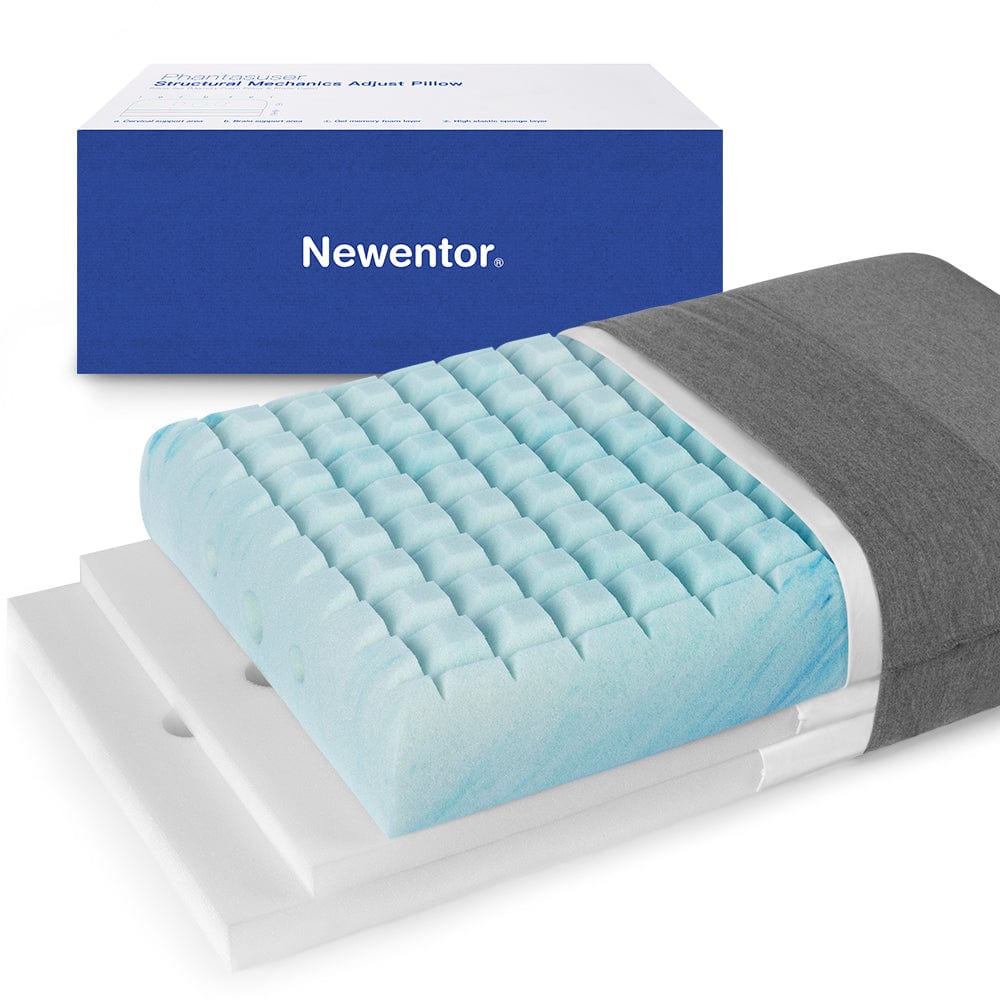
Unlike traditional pillows that offer a "one-size-fits-all" approach, adjustable memory foam pillows are designed with multiple removable layers. This allows you to customize the height (loft) and firmness to perfectly match your body type and sleeping position. A standout example in the Australian market is the Newentor Adjustable Memory Foam Pillow, which features a unique three-layer design that you can mix and match to find your "Goldilocks" zone.
Pros
- Fully Customizable: Whether you have broad shoulders and need a high loft or a smaller frame requiring a lower profile, you can adjust the layers to keep your airway perfectly aligned.
- Versatility for All Sleepers: It works for side, back, and stomach sleepers alike, making it the best pillow for sleep apnea without CPAP for those who tend to shift positions.
- Long-Term Value: Because you can change the configuration, you don’t have to buy a new pillow if your firmness preference changes over time.
- Ergonomic Support: High-quality memory foam (like that found in Newentor) provides consistent pressure relief, reducing neck strain that can otherwise narrow the airway.
Cons
- Trial and Error: It might take a few nights of swapping layers to find the configuration that provides the best breathing support.
- Storage: You’ll need a spot to keep the extra foam layers you aren't currently using.
How to buy a pillow for sleep apnea?
Buying the best pillow for sleep apnea isn't just about picking the softest one. Here’s what you need to look for:
- Firmness: You need something medium-firm. If it’s too soft, your head will sink, and your neck will kink, potentially narrowing your airway.
- Material: Memory foam or latex is usually the best pillow for sleep apnea without cpap recommends because they hold their shape. You don't want a pillow that goes flat by 3 AM.
- Height (Loft): Side sleepers need a higher loft to fill the gap between the shoulder and the ear.
- Cooling Features: Since many people with apnea also deal with night sweats, look for gel-infused foam or breathable bamboo covers.
FAQs
Q1: What is the best sleeping position for sleep apnea?
Side sleeping is the best position for most people with sleep apnea. It keeps your tongue and throat tissues from collapsing into the airway, reducing snoring and breathing pauses. Back sleeping is the worst position, as it easily blocks airflow. Stomach sleeping is not recommended either, since it strains the neck and spine and worsens alignment.
Q2: Does sleeping on two pillows help with sleep apnea?
Sleeping on two stacked pillows may slightly elevate your head, but it’s not a good solution. It often over-elevates the neck, causes poor spinal alignment, creates awkward head posture, and can even narrow the airway further. It also leads to neck pain and stiffness. A proper adjustable memory foam pillow or wedge pillow is far safer and more effective than stacking two regular pillows.
Q3: Can I use a regular pillow for sleep apnea?
You can technically use a regular pillow, but it is not recommended. Standard pillows lack targeted neck and airway support; they often tilt your head forward or backward, collapse the airway, and make sleep apnea and snoring worse. Specially designed sleep apnea pillows are engineered for proper head-neck alignment to keep airflow open, which regular pillows cannot do.
Botton Lines
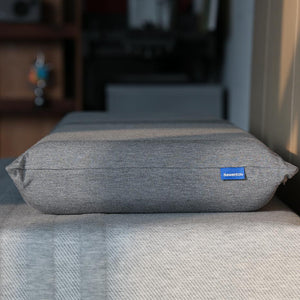
If you’re tired of sleepless nights and daytime exhaustion, the best pillow for sleep apnea could be the solution you’ve been looking for. Choose the Newentor pillow series for a night of smooth breathing and restorative sleep.

Leave a comment

816 views, 5 mins read