



Magnesium controls over 300 bodily chemical reactions, balancing sleep and mood neurotransmitters per Mayo Clinic 2025 research . It calms overactive brain signals and boosts melatonin, your natural sleep hormone that signals your body to wind down after dark. It also eases leg cramps and restless legs syndrome, two top culprits of broken sleep.
Magnesium for Sleep: Best Types, Dosage & Usage Tips 2026
JUL 15, 2026
Last updated: JUL 22, 2026


625 views , 3 mins read
If you toss and turn nightly with racing thoughts or painful leg twitches, you’ve likely wondered does magnesium help sleep. Thousands of sleep seekers hunt for the best magnesium for sleep to skip harsh sleeping pills.

In this article, we break down what magnesium does for the body, which magnesium is best for sleep and anxiety, proper doses, and when to take magnesium. We also cover common magnesium tablets for sleeping and pro bedroom tweaks to boost your rest quality long-term.

In this article
What Does Magnesium Do for the Body, and Does Magnesium Help Sleep?
Groups most likely to lack magnesium (and see sleep gains from supplements) include women, seniors, heavy drinkers, and anyone eating mostly processed food. Certain meds like acid reflux PPIs and blood pressure diuretics block magnesium absorption and worsen restless nights. If you lie awake overthinking each night, magnesium could be your gentle, drug-free fix.
Choosing the Best Magnesium for Sleep: Compare All Popular Forms
When shoppers ask which magnesium is best for sleep, the answer hinges on your stomach sensitivity and sleep struggles. We break down the three most common magnesium tablets for sleep:
1. Magnesium Glycinate for sleep
This is the top pick if you want magnesium for sleep and anxiety. Mayo Clinic notes it absorbs well with almost no laxative side effects, unlike citrate. Its glycine compound naturally quiets a busy brain, perfect for people stuck replaying stress at bedtime. It’s ideal for daily magnesium tablets for sleeping.
2. Magnesium Citrate
It carries the strongest clinical sleep evidence but acts as a strong laxative. Only choose this if you also struggle with chronic constipation alongside insomnia.
3. Magnesium Oxide
Budget-friendly yet poorly absorbed. It delivers minimal sleep benefits and often causes stomach upset for regular nightly use.
Transdermal magnesium sprays are not recommended. Dr. Millstine confirms skin absorption is extremely low, so oral magnesium tablets for sleep deliver far better results.
Dosage and Timing: How to Safely Take Magnesium
Taking your supplements correctly is just as important as choosing the right type. Here is what you need to know before starting.
When is the Best Time to Take Magnesium?
So, when is the best time to take magnesium? For optimal results, you should take magnesium tablets for sleeping about 30 to 60 minutes before bed. This gives your body enough time to digest the tablet and start calming your nervous system right as you are winding down.
Is 500 mg of Magnesium Too Much?
The recommended daily supplemental dose for healthy adults generally ranges from 250 to 500 mg. So, is 500 mg of magnesium too much? No, it sits right at the safe upper limit for daily supplementation. However, it is crucial not to exceed this total, especially if you are taking other multivitamins. Always consult your doctor first, particularly if you have kidney issues, as your kidneys filter out excess magnesium.
How Long Does Magnesium Take to Work?
While some people feel muscle relaxation on night one, experts suggest taking it consistently for up to three months to truly correct a deficiency and see a permanent improvement in your sleep cycle.
Pair Magnesium Supplements With a Sleep-Friendly Bedroom
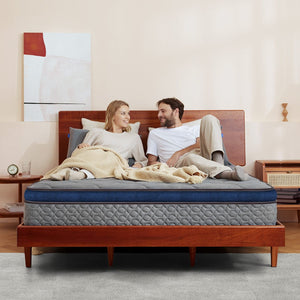
Magnesium calms your mind, but body aches and unsupportive bedding will still ruin your sleep quality. To maximize gains from the best magnesium for sleep, upgrade your bedroom setup with Newentor’s sleep essentials.
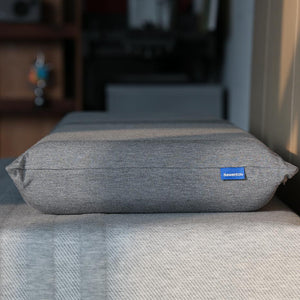
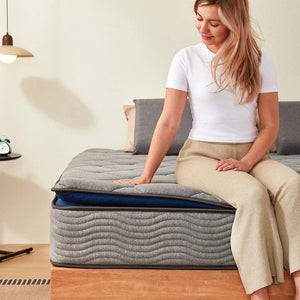
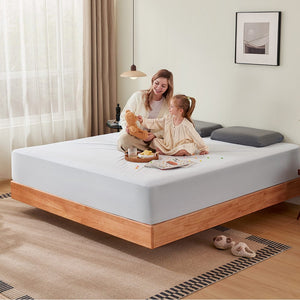
Newentor’s hybrid mattress features zoned spinal support that eliminates midnight back and hip soreness, the top physical reason people wake up sore. Pair it with their adjustable memory foam pillow to relieve stiff neck pressure, or add a plush mattress topper for custom softness. Combining magnesium tablets for sleeping with supportive Newentor bedding removes both mental anxiety and physical aches for uninterrupted deep sleep.


Common FAQs About Magnesium for Sleep
1. Which magnesium is best for sleep and anxiety?
Magnesium glycinate is the best magnesium for sleep and anxiety. It is highly absorbable, gentle on the stomach, and reliably reduces stress and nighttime overthinking without laxative side effects.
2. Can I take magnesium every night?
Yes, healthy adults can take magnesium tablets for sleeping nightly within the safe dosage range. Consistent use produces far better sleep results than occasional intake.
3. What to look for when buying magnesium for sleep?
- The Right Form: Look for Magnesium Glycinate. It is bound to glycine (a calming amino acid), making it highly effective for relaxation and brain-quieting. It is also the gentlest on the stomach. Avoid magnesium oxide, which has very poor absorption and is more likely to cause diarrhea.
- Chelated Formulas: Check the label for "chelated" magnesium. Chelated minerals are bound to organic compounds (like amino acids) which makes them much easier for your body to absorb.
- Third-Party Testing: Because supplements aren't strictly regulated, look for seals from independent testing organizations like USP, NSF, or ConsumerLab to ensure what is on the label is actually what is in the bottle.
4. Should you take magnesium if you take PPI?
PPIs reduce magnesium absorption in the gut, raising risks of mineral deficiency. If you take PPIs long-term and want magnesium for sleep, talk to your doctor to adjust dosage and monitor your magnesium levels regularly.
5. Are there any side effects to taking magnesium?
The most common side effect of taking too much magnesium (or taking certain forms like magnesium citrate or oxide) is digestive upset, including diarrhea, nausea, or stomach cramps.
Final Thoughts
To enjoy better sleep, internal wellness and a cozy bedroom environment work hand in hand. While the right magnesium supplement calms your body from within, proper physical support matters equally.
If you want to upgrade your sleep quality, try Newentor’s ergonomic mattresses and height-adjustable memory foam pillows. They cradle your head and neck perfectly, delivering ideal full-body support. When inner relaxation meets physical comfort, sound sleep will come effortlessly.
Wish you a peaceful, restful night tonight!
Note: This article information is for reference only. Please consult a medical professional for medical advice or diagnosis.
Leave a comment

625 views , 3 mins read