



When you lie in bed overthinking your busy schedule, your brain triggers a fight-or-flight stress response. Your heart rate picks up, cortisol surges, and your mind stays hyper-alert when it should be winding down.
Meditation for Sleep: Guided Meditation for Healing & Anxiety
JUL 22, 2026
Last updated: JUL 23, 2026


1084 views, 3 mins read
Tossing and turning at night with racing anxious thoughts? Countless adults struggle with delayed sleep and shallow rest, and pills only offer temporary relief. Meditation for sleep is a drug-free nightly fix to calm mental chaos and speed up falling asleep.

This complete guide breaks down why sleep meditation works, easy beginner routines including guided sleep meditation for healing, and bedroom upgrades to pair with your nightly meditation habit. Every tip uses simple, actionable steps anyone can follow tonight.

In this article
Why Sleep Meditation Can Make You Fall Asleep Quickly?
Meditation reverses this cycle by activating your body's natural relaxation response. As noted in research highlighted by Headspace, consistent mindfulness practices help lower heart rates, settle breathing patterns, and signal to your brain that it is safe to rest.
According to clinical studies published in JAMA Internal Medicine, adults practicing mindfulness meditation experienced significantly less insomnia, fatigue, and nighttime restlessness compared to those relying on standard sleep advice alone.
How to Meditate to Get Good Sleep?
You do not need hours of free time or formal training to meditate effectively before bed. A brief 5 to 10-minute session right before turning off your lights can make a world of difference.
1. The Body Scan Method
Lie comfortably on your back and gently close your eyes. Slowly bring your focus down to your toes, notice any lingering tightness, and imagine exhaling the stress away.
Gradually shift your attention up through your ankles, knees, hips, abdomen, and shoulders until you reach the top of your head. This physical awareness helps release hidden muscle strain across your entire body.

2. Deep Belly Breathing (4-7-8 Technique)
Inhale quietly through your nose for a count of 4 seconds, gently hold your breath for 7 seconds, and exhale completely through your mouth for 8 seconds.
Repeating this rhythmic breathing pattern slows your racing heart and forces your nervous system into a relaxed state within minutes.

3. Using Audio Guides
If your mind struggles to stay quiet on its own, turning on a guided sleep meditation track can keep your thoughts anchored.
Many listeners find comfort searching for popular sessions—such as a jason sleep meditation audio—to follow soothing voice prompts that ease them gently into slumber.
Other Ways to Improve Your Sleep
While practicing meditation for anxiety and sleep works wonders for your mind, pairing it with physical comfort creates the ideal sleep environment.
1. Build a Mindful Bedtime Routine
Establish a consistent sleep schedule by going to bed and waking up at the same time daily to lock in your circadian rhythm.
Turn off digital screens at least 45 minutes before bed because blue light suppresses natural melatonin production. If you have little ones at home, playing a gentle kids sleep meditation session can help the entire household wind down together effortlessly.
2. Upgrade Your Bedding Support
Even the calmest mind will struggle to sleep on an lumpy or hot bed. Supportive physical bedding plays a vital role in keeping your spine properly aligned so your muscles stay relaxed all night.
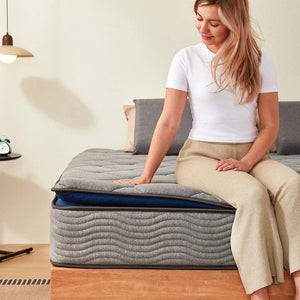
Starting with a high-quality foundation like the Newentor mattress ensures multi-zone support that adapts to back and side sleepers alike.
If your current bed feels a bit too firm, placing a Newentor mattress topper on top adds an extra layer of cloud-like, pressure-relieving comfort.
Finally, if you often wake up early with neck pain, your pillow might be the problem. Pairing your setup with a Newentor adjustable memory foam pillow helps keep your neck in a neutral posture, preventing morning stiffness so you can get the absolute most out of your nightly meditation practice.





3. Sip Calming Herbal Teas
Swapping late-night alcohol or caffeine for a warm cup of herbal tea can signal to your body that it is time to rest. Chamomile, valerian root, and passionflower teas contain natural compounds like apigenin, which bind to brain receptors to promote drowsiness and lower evening stress.
4. Support Relaxation with Magnesium
Magnesium is an essential mineral that helps regulate neurotransmitters and quiet the nervous system. Taking a magnesium supplement (such as magnesium glycinate) before bed can help relax tense muscles, soothe restless legs, and prepare your body for deeper, uninterrupted sleep.
5. Harness the Power of Essential Oils
Aromatherapy using pure essential oils can directly influence your brain’s limbic system, which controls emotion and stress. Diffusing lavender, bergamot, or cedarwood oil in your bedroom creates a soothing atmosphere that encourages slower breathing and deeper relaxation
FAQs about Meditation for Sleep
1. How long should I meditate before bed?
Even 5 to 10 minutes can yield noticeable benefits. If you deal with persistent insomnia, a 15 to 20-minute session gives your body extra time to unwind.
2. Is guided sleep meditation good for beginners?
Yes! A guided sleep meditation gives your mind a soothing focal point, which prevents your thoughts from drifting back to daily work worries.
3. Is kids sleep meditation safe for young children?
Absolutely. Short, gentle kids sleep meditation calms hyperactive minds, reduces bedtime fighting and builds lifelong healthy sleep rhythms for children ages 4 and up.
4. What makes Jason sleep meditation different from other tracks?
Jason sleep meditation uses slower speech and nature background noise, designed for people who struggle to hold focus during standard guided sleep meditation sessions.
Conclusion
Falling asleep shouldn't feel like a nightly struggle against your own racing thoughts. By combining simple mindfulness techniques with a comfortabl supportive sleep environment, you give your body everything it needs to rest deeply.
Whether you practice quick breathing exercises or listen to guided audio tracks, consistency is key to lasting results. Take a deep breath tonight, let go of the day's tension, and allow yourself to enjoy the peaceful, restorative sleep you deserve.
Leave a comment

1084 views, 3 mins read