Why Does Insomnia Happen?
Sleep should come naturally, but modern life constantly gets in the way. Stress, irregular schedules, late-night screen time, and dietary habits can easy throw off your body's internal clock.




Tossing and turning all night, staring at the ceiling, and watching the clock tick past 3 AM is exhausting. Insomnia drains your energy, saps your focus, and ruins your mood the next day. If you are tired of waking up groggy, you are in the right place.

In this comprehensive guide, we unpack why sleep issues happen in the first place and share 12 practical, science-backed insomnia tips you can start using tonight. Plus, we answer the most frequently asked questions to help you finally get the restful, uninterrupted sleep you deserve.

In this article
Sleep should come naturally, but modern life constantly gets in the way. Stress, irregular schedules, late-night screen time, and dietary habits can easy throw off your body's internal clock.
When your mind stays hyper-alert or your body fails to produce enough melatonin (the sleep hormone), falling or staying asleep becomes an uphill battle.

Sleep is not a luxury; it is a biological necessity. According to the Sleep Health Foundation, approximately 4 in 10 adults in Australia (40%) do not get enough adequate sleep on a regular basis.
Chronic sleep deprivation is linked to serious health risks, including cardiovascular disease, weakened immunity, depression, and memory issues. Getting sufficient rest repairs your cells, balances hormones, and sharpens mental clarity.
The soft blue glow from cell phones, tablets, and TVs disrupts your body’s melatonin production. Turning off blue-light sources at least an hour before bed helps your brain signal that it is time to rest.
If you can’t completely turn off bedside displays, cover them or keep them out of sight to avoid unwanted visual stimuli.
Waking up with a stiff neck or shoulder pain severely impacts sleep quality. It is essential to keep your neck in a neutral position that supports its natural curve, whether you sleep on your back or side.
Using an ergonomically designed Newentor pillow helps maintain proper head and neck alignment. Its adjustable height and contour support allow back and side sleepers to align their body correctly, preventing tossing and turning caused by neck strain.

An unsupportive or sagging mattress causes micro-awakenings throughout the night due to pressure points on your lower back and hips. Over time, poor bed support leads to chronic sleep disruptions.
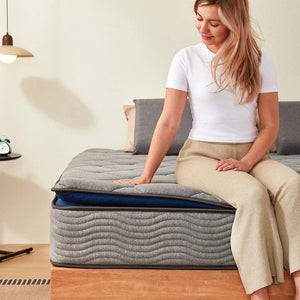
Investing in a high-quality Newentor hybrid mattress provides multi-zone pressure relief and tailored firmness. It cushions your shoulders and hips while keeping your spine properly aligned, helping you fall asleep faster and stay asleep longer.

If buying a brand-new mattress isn't an immediate option, or your current bed feels a bit too firm or worn, adding an extra layer of comfort can make a world of difference.
A high-quality mattress topper adds a plush, responsive memory foam layer that contours to your body's natural shape. It upgrades your existing sleeping surface, relieves pressure on your joints, and enhances airflow for a cooler, more relaxing sleep environment.

While a daytime nap can feel restorative, long or late-afternoon snoozes drain your natural night-time sleep drive.
If you must nap during the day, limit it to 20 minutes or less, and schedule it for early afternoon. If you experience an afternoon slump, try taking a quick walk or drinking a glass of cold water instead.
Glancing at the alarm clock repeatedly during the night triggers mental stress and anxiety about how few hours of sleep you have left.
Turn your clock face toward the wall, or place it under your bed. Out of sight, out of mind—removing the visual reminder of time helps your brain calm down naturally.

Working, streaming movies, or eating in bed confuses your brain into associating your mattress with wakefulness and stress.
Keep your bedroom atmosphere purely for relaxation. In addition, maintaining a room temperature between 68°F and 72°F (20°C–22°C) creates the ideal thermal conditions for deep sleep.
Going to bed and waking up at roughly the same time every day—even on weekends—trains your circadian rhythm to follow a predictable schedule.
Pair this consistency with 5 to 30 minutes of bright outdoor sunlight right after waking up. Sunlight tells your brain to stop producing melatonin and boosts morning energy.
Most people know coffee contains caffeine, but hidden caffeine in pain relievers, weight-loss supplements, soda, and dark chocolate can quietly ruin your sleep.
Experts recommend cutting off caffeine completely after noon to ensure its stimulating effects wear off well before bedtime.

Regular physical activity promotes deeper sleep, but intense workouts close to bedtime raise your heart rate and body temperature, making it harder to drift off.
Complete vigorous exercises at least 3 to 4 hours before heading to bed. For late evenings, choose gentle mind-body exercises like yoga or light stretching.
Heavy or spicy meals late at night overload your digestive system and can trigger acid reflux, disrupting your sleep cycle.
Finish heavy meals at least 2 to 3 hours before sleep. If you need a bedtime snack, opt for light, easy-to-digest carbs like whole-grain crackers with a slice of cheese or a small bowl of oatmeal.
While alcohol may make you feel drowsy initially, it severely disrupts your REM sleep and causes frequent night-time awakenings once its effects wear off.
Replace evening alcoholic beverages with calming alternatives like warm milk or chamomile tea, which soothe your body without disrupting sleep cycles.

It depends on the specific habit you adjust. Simple changes—like optimising your room temperature, blocking clock displays, or switching to an ergonomic Newentor pillow—can improve your sleep comfort on night one. However, resetting your circadian rhythm through daily sunlight exposure and consistent wake times usually takes about 1 to 2 weeks of steady repetition.
Yes. Physical discomfort is a major hidden trigger for night-time awakenings. A worn-out mattress creates painful pressure points on your joints and misaligns your spine. Upgrading to a supportive Newentor Mattress or adding a pressure-relieving Newentor Mattress Topper promotes natural spinal alignment and muscle relaxation, reducing the physical tossing and turning that keeps you awake.
Maintaining a strict, consistent wake-up time every day is widely considered the single most impactful habit. A fixed wake-up time anchors your internal biological clock, ensuring your body naturally builds up enough fatigue ("sleep drive") to help you fall asleep smoothly by bedtime.
Melatonin can be useful for short-term fixes like jet lag or shift work adjustments. However, sleep specialists recommend focusing on lifestyle habits and environment first. Over-relying on supplements can mask underlying issues—such as chronic stress, poor sleep posture, or an unsupportive bed—without resolving the root cause.
If you have practiced these insomnia tips consistently for more than three to four weeks without improvement, or if daytime fatigue is severely impacting your daily safety, work, or mood, speak with a healthcare provider.
A doctor can rule out underlying medical conditions, such as sleep apnea or clinical insomnia disorder, and recommend tailored treatments like Cognitive Behavioral Therapy for Insomnia (CBT-I).
Stop letting sleepless nights ruin your days. Combining simple habit changes—like steady wake times and screen cutoffs—with ergonomic support from a Newentor Mattress, Topper, or Pillow is the fastest way to end late-night tossing and turning. Upgrade your sleep setup tonight with these insomnia tips and experience the Newentor difference.