



Pregnancy insomnia is extremely prevalent among Australian expecting mothers, with sleep disruptions worsening steadily across every trimester.
Sleeplessness During Pregnancy? 7 Safe Ways to Get Some Rest
AUG 25, 2026
Last updated: AUG 26, 2026


652 views , 4 mins read
Sleeplessness during pregnancy are extremely common for expecting mothers, leaving many dealing with constant tossing and turning. Sleeplessness during pregnancy disrupts daily energy and mood, and most moms struggle with pregnancy insomnia across all trimesters.

This guide shares 7 safe, simple methods to solve difficulty sleeping pregnancy issues and enjoy restful nights throughout your pregnancy journey.

In this article
Why is Sleeplessness During Pregnancy So Common?
Australian longitudinal pregnancy research confirms sleep disturbance rates hit 44.2% in the first trimester, 46.3% in the second trimester, and spike to 63.7% in the third trimester. Nearly two-thirds of local pregnant women struggle with severe sleeplessness during pregnancy in late pregnancy.
Hormonal changes are the primary cause of pregnancy and sleeplessness for Australian mums-to-be. Elevated progesterone levels relax bodily muscles but interfere with natural melatonin release and circadian sleep rhythms.
Progressive physical discomfort further triggers difficulty sleeping and pregnancy issues. Common complaints include lower back strain, frequent nighttime bathroom visits, and active fetal movement that disrupts continuous rest.

Prenatal anxiety and overthinking are major contributors to ongoing insomnia during pregnancy, especially for first-time mothers adjusting to pregnancy changes.
Minor but persistent issues including pregnancy night sweats, nasal congestion, and mild nighttime indigestion compound together, ruining sleep quality and causing consistent sleepless nights for local pregnant women.
7 Simple Ways to Beat Pregnancy Insomnia & Improve Sleep
These safe, natural strategies fix common causes of sleeplessness during pregnancy without harsh medication.
1. Upgrade Bedding: Supportive Pillows & Zoned Mattress for Pregnancy
One of the easiest fixes for difficulty sleeping pregnancy is upgrading your entire sleeping support setup, including both pillows and your mattress.
Regular flat mattresses and standard pillows fail to adapt to your changing pregnant body. They cannot relieve pressure on your growing belly, lower back, and hips, leading to persistent midnight soreness and frequent wake-ups.
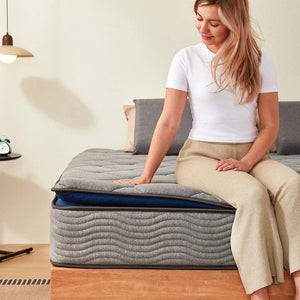
This is where a zoned 7-section pregnancy-friendly mattress makes all the difference. The Newentor Hybrid Mattress Pro features professional seven-zone support that targets different body pressure points precisely.
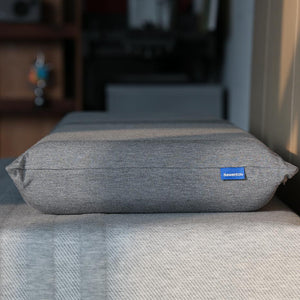
It offers firm support for your lower back and hip area while providing soft, buffered cushioning for your belly and shoulders. Paired with specialized maternity pillows, it lets you maintain a safe side-sleeping position comfortably all night long.
Quality pillows during pregnancy relieve local discomfort, while the Newentor Hybrid Mattress Pro’s zoned support drastically reduces overall body fatigue. Together, they effectively cut midnight wake-ups caused by physical discomfort, solving one of the biggest triggers of sleeplessness during pregnancy.


Newentor Hybrid Mattress Pro
$749.00
$1,500.00
Save
$751.00
In stock, delivery in 3-5 days
- 7-Zone Support: Specifically designed to target and support your head, shoulders, waist, hips, thighs, calves, and feet, while promoting proper spinal balance.
- Individual Pocket Springs: Each spring is independently wrapped, offering excellent shock absorption and resilience.
- Gel-Visco memory foam + PCM foams relieve 98.8% body pressure while delivering cloud-cradled comfort for transformative sleep support.
2. Stick to a Gentle Daytime Movement Routine
Light daily exercise is clinically proven to ease insomnia during pregnancy.
A 20–30 minute evening walk reduces muscle tension and calms pregnancy-related stress.
Avoid intense workouts or late-night movement, which can boost energy and delay sleep onset.
Consistent mild movement regulates your circadian rhythm for more stable nightly rest.
3. Follow Smart Daytime Hydration Rules
Frequent nighttime bathroom trips are a top cause of pregnancy and sleeplessness.
Drink enough water throughout the day to stay healthy, but slow intake 2–3 hours before bed.
This simple habit drastically reduces midnight urination without harming you or your baby.
Avoid sugary drinks and caffeine after noon, as they worsen sleeplessness during pregnancy.
4. Build a Calming Pre-Bed Wind-Down Routine
Pregnancy hormones heighten mental alertness, making overthinking a common bedtime issue.
Create a fixed 30-minute pre-sleep routine to signal your body it’s time to rest.
Try gentle stretching, quiet reading, or slow breathing exercises to lower stress hormones.
Skip phone and TV screens, as blue light suppresses melatonin and worsens pregnancy insomnia.
5. Optimise Your Bedroom Sleep Environment
A cool, dark, quiet bedroom makes a huge difference for difficulty sleeping pregnancy struggles.
Keep room temperature between 18–20°C to reduce pregnancy night sweats.
Use soft, breathable bedding to avoid overheating and midnight discomfort.
Dim night lights are ideal; bright lights disrupt sleep rhythm after midnight bathroom visits.

6. Eat Sleep-Friendly Evening Meals & Snacks
Late heavy meals and spicy foods trigger indigestion and heartburn during pregnancy.
Eat light, balanced dinners and finish eating at least 2 hours before bedtime.
A tiny bedtime snack like warm milk can soothe your body and promote drowsiness naturally.
Stable blood sugar levels prevent nighttime wake-ups caused by hunger or discomfort.
7. Avoid Lying Awake Stressed in Bed
If you can’t fall asleep after 20 minutes, get out of bed and do a quiet, low-light activity.
Staying in bed while awake builds mental anxiety linked to insomnia during pregnancy.
Return to bed only when you feel sleepy to rebuild healthy sleep associations.
This method breaks the cycle of stress-induced sleeplessness during pregnancy effectively.
Is It Safe to Use Sleep Aids for Pregnancy Insomnia?
Most medical experts advise avoiding over-the-counter sleep pills during pregnancy.
Many unregulated supplements lack safety data for fetal development.
All non-pharmaceutical sleep hygiene methods are the first-line safe treatment for expecting mothers.
Always consult your OB-GYN before trying any new sleep supplements or medications.
FAQs About Sleeplessness During Pregnancy
1. When does pregnancy insomnia start?
Sleep troubles can begin in the first trimester and steadily worsen through the third trimester.
Hormonal changes and growing body discomfort are the main ongoing triggers.
2. Will sleeplessness during pregnancy harm my baby?
Occasional poor sleep is harmless, but long-term severe insomnia may raise maternal stress levels.
Following safe sleep habits eliminates unnecessary risks for you and your baby.
3. Can pregnancy pillows fix my sleeping issues?
Yes, quality pillows during pregnancy relieve physical pain, the top physical cause of poor sleep.
They work best when paired with consistent sleep routines for full results.
4. What's the best sleep position during pregnancy?
Sleeping on your left side is widely recommended by experts. It improves blood flow to your uterus and baby, reduces the risk of stillbirth, and can even help with heartburn. A pregnancy pillow can make side sleeping much more comfortable by providing support for your back, belly, and knees.
5. When should I see a doctor about pregnancy insomnia?
If you've tried lifestyle changes and natural remedies but are still struggling with difficulty sleeping during pregnancy, it's worth talking to your healthcare provider. They can rule out underlying conditions like sleep apnea or restless legs syndrome, and discuss whether any sleep aids might be appropriate for your situation. Don't suffer in silence – getting help is a sign of strength, not weakness.
Bottom Lines
Pregnancy and sleeplessness are common but manageable for all expecting mothers. Simple changes like using supportive pillows, building calm routines, and optimizing your bedroom can greatly reduce pregnancy insomnia. These safe, natural fixes solve difficulty sleeping pregnancy issues, helping you enjoy restful sleep throughout every trimester of your pregnancy.



Leave a comment

652 views , 4 mins read