



When shopping for bedding, you will quickly notice dozens of types of pillow options. Each material and design delivers unique comfort and support, so knowing their features is the first step to better sleep. Among all choices, memory foam pillows remain one of the most popular picks for regular households.
Different Types of Pillows Guide: Are You Sleeping on the Wrong One?
JUN 10, 2026
Last updated: JUL 22, 2026


725 views , 4 mins read
If you’ve ever woken up with a stiff neck or sore shoulders, chances are your pillow is to blame. With so many types of pillows on the market today, picking the right one can feel overwhelming.

From soft fluffy styles to supportive firm designs, different types of pillows serve totally different sleep needs. This easy guide will walk you through all common pillow categories, break down their pros and cons, and help you figure out the best type of pillow for your daily rest.

In this article
What are different types of pillows?
1.1 Memory Foam Pillow
Memory foam pillows are made from dense polyurethane foam that responds to body heat and weight. They slowly contour to your head, neck and shoulders once you lie down, which makes them stand out from basic pillow styles.
Pros
- Delivers excellent neck and spinal support, maintaining a neutral sleeping posture all night without flattening.
- Most versions are hypoallergenic and resistant to dust mites, ideal for people with mild allergies.
- Features great shape retention, so it does not lose firmness or form and requires fewer replacements.
Cons
- Traditional memory foam easily traps heat, which can cause discomfort for hot sleepers.
- New pillows may release a slight chemical odor during the first few days of use.
Best for:
Memory foam pillows work perfectly for back sleepers and side sleepers who struggle with chronic neck pain or shoulder tension. According to sleep experts, people who prefer firm, steady support will love this pillow type. It is also a great choice for anyone who stays in one sleeping position all night.
Who Shouldn't Use it?
Stomach sleepers should skip standard memory foam pillows. Their firm height will lift your head too high and bend your neck unnaturally, leading to soreness the next morning.
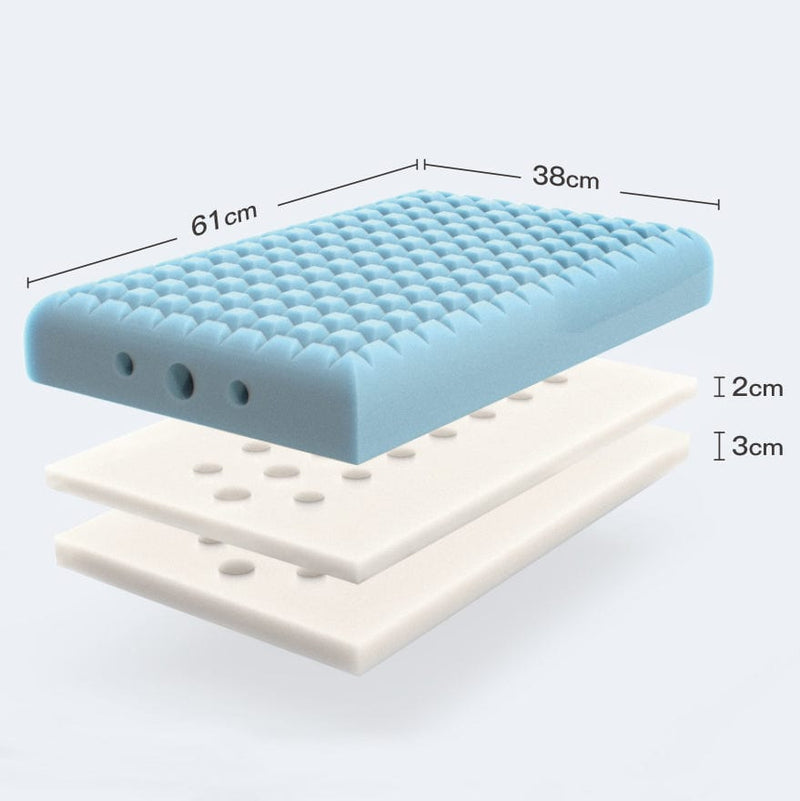
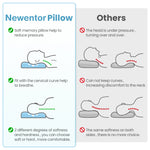
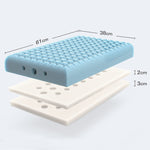
You can opt for adjustable memory foam pillows. For example, the Newentor memory foam pillow comes with two layers of memory foam pads, allowing you to freely adjust the pillow height and avoid this downside.
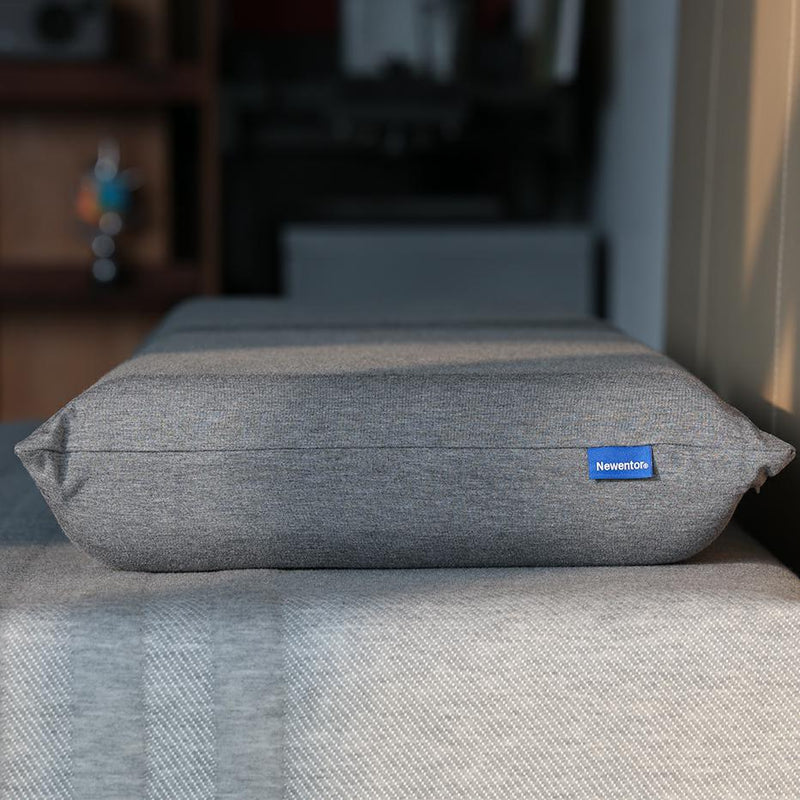
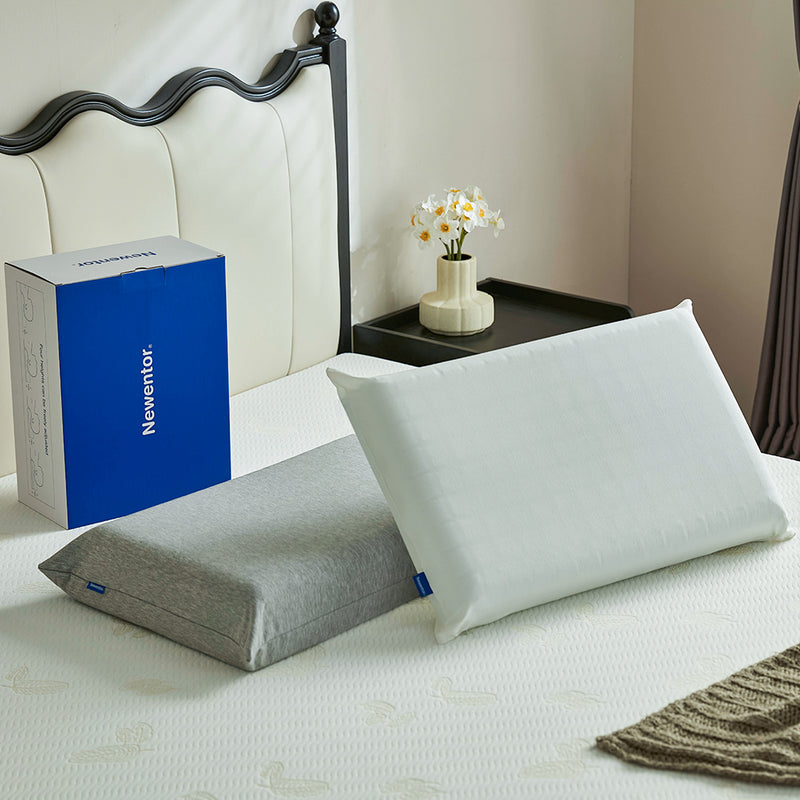
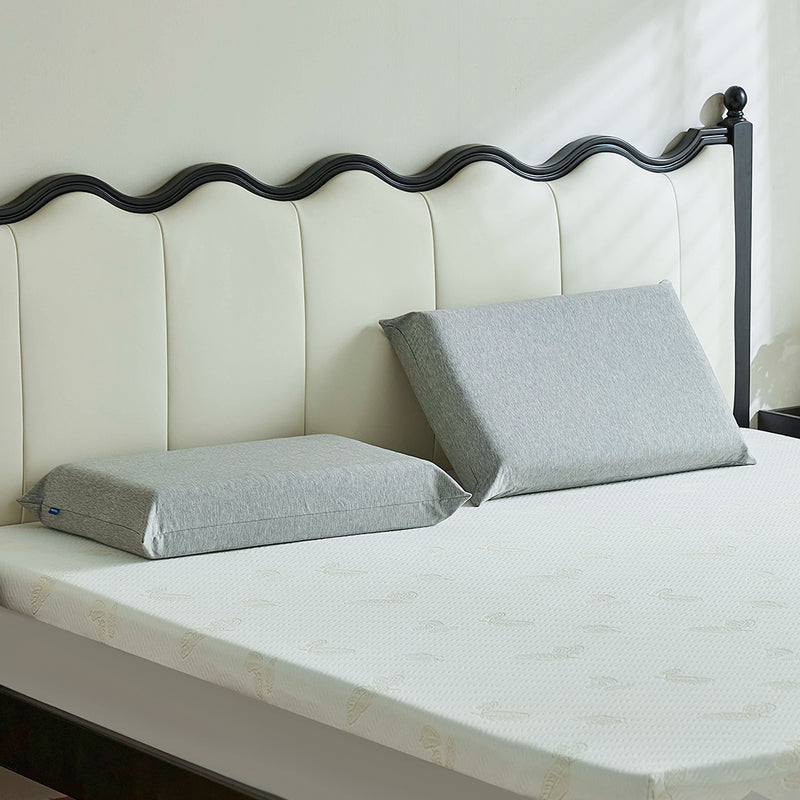
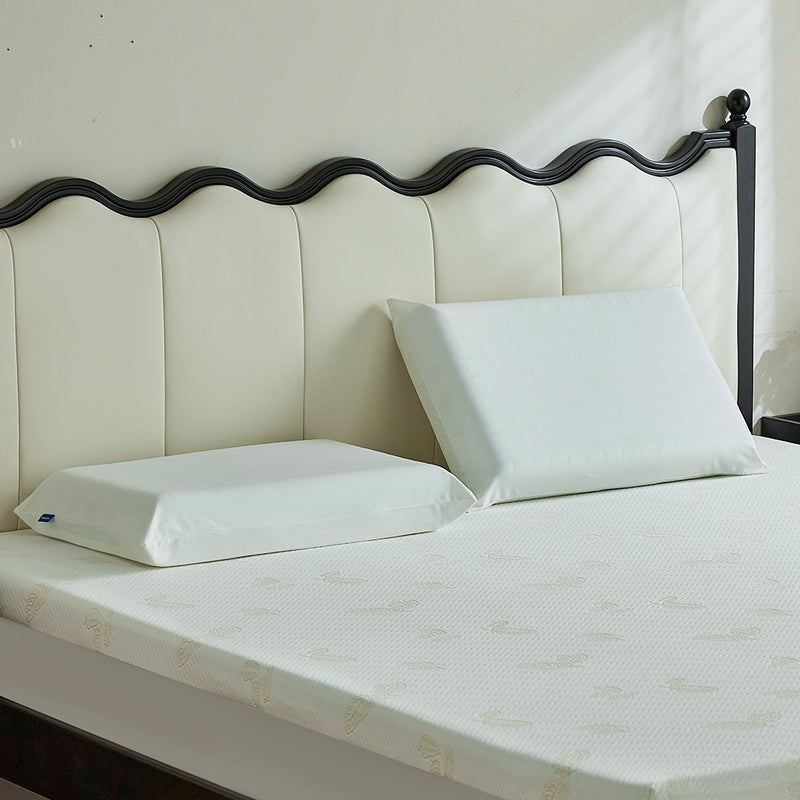

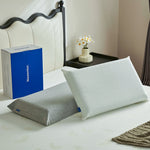
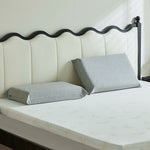
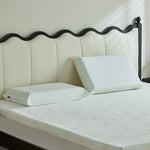
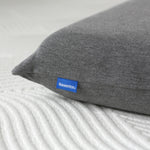

Newentor Memory Foam Pillow
$91.00
$140.00
Save
$49.00
In stock, delivery in 3-5 days
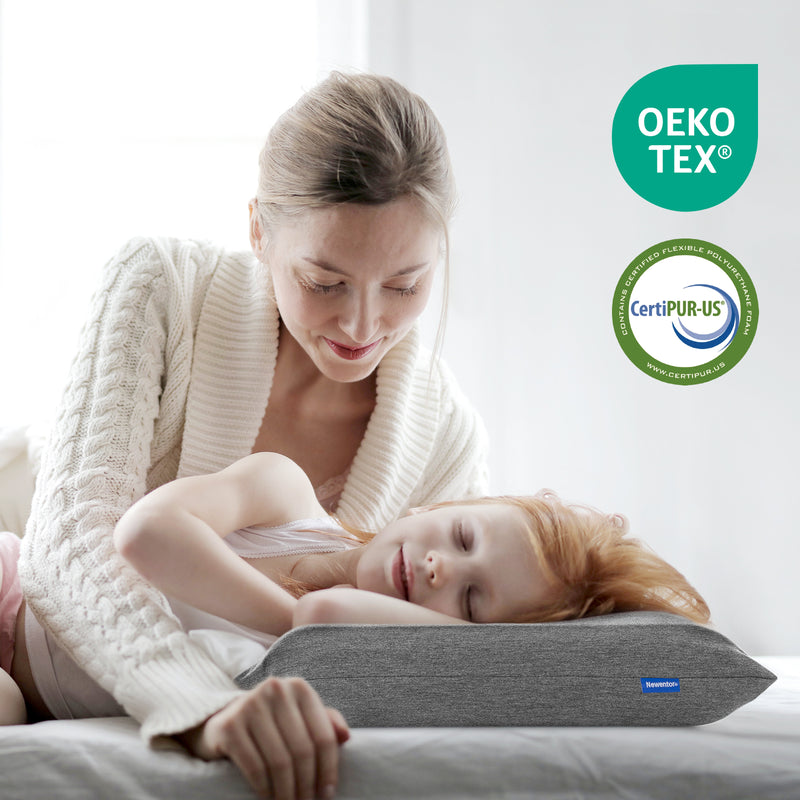
- CertiPUR-US & OEKO-TEX certified for quality and safety, with no chemical smells.
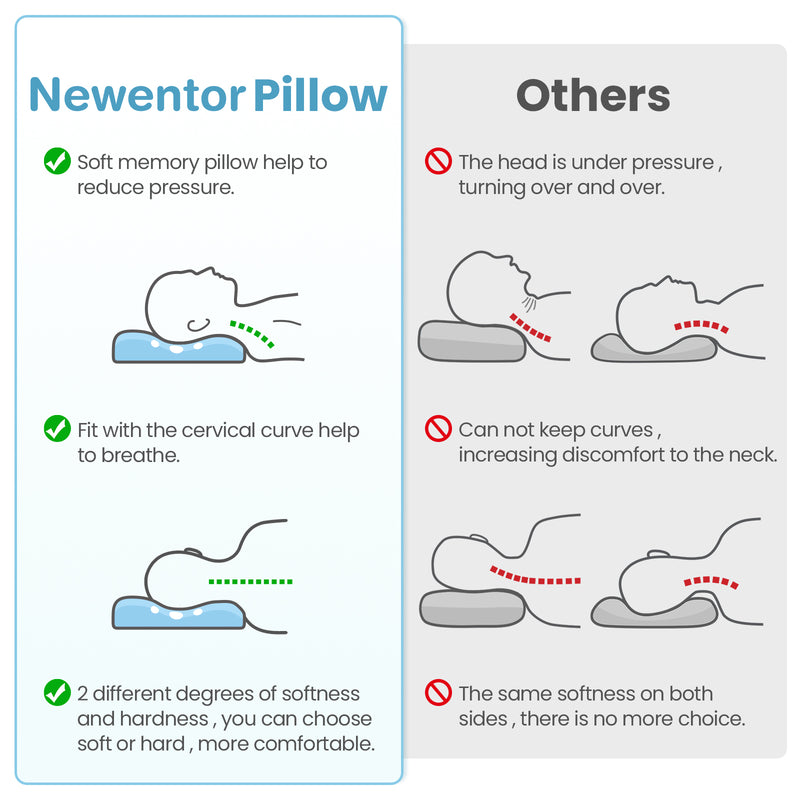
- 2 adjustable height pads offer four distinct pillow heights, ensuring personalized comfort for any sleep position.
- Ergonomic Contour: The contoured design lifts the head and neck to ensure proper alignment and promote muscle relaxation.
- Breathable 3D structure encourages heat and moisture to disperse from the pillow surface.Select 80 more words to run Humanizer.
- 120 nights free trial & 10 years warranty.
1.2 Down and Feather Pillows
If you've ever stayed at a luxury hotel and felt like you were sleeping on a cloud, you were probably resting on a down pillow. Down is the soft undercoating of geese or ducks, while feather pillows use the outer feathers.

Pros
- Ultra-soft, lightweight, and easily moldable to whatever shape you want.
Cons
- They flatten out easily and require constant fluffing. They can also trigger allergies for some people.
Best for:
Stomach sleepers who need a flat, soft cushion, and anyone who loves a luxurious, plush feel.
Who Shouldn't Use it?
People with severe allergies or those who need firm neck support.
1.3 Latex Pillows
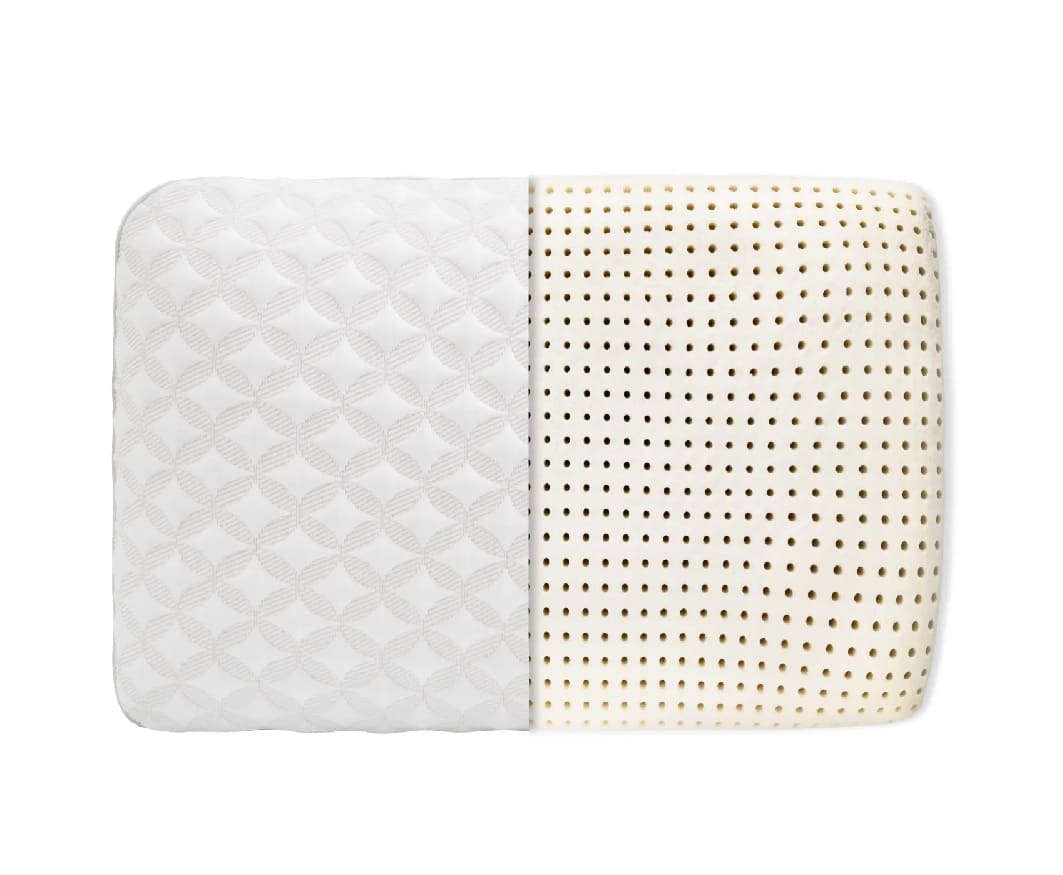
Latex pillows are made from the sap of rubber trees (natural latex) or synthetic materials. They feel similar to memory foam but have a much higher "bounce" factor. Latex is highly rated for its cooling properties and eco-friendly nature.
Pros
- Highly breathable, naturally hypoallergenic, dust-mite resistant, and very supportive without feeling like you are "sinking."
Cons
- They can be quite expensive and tend to be heavy.
Best for:
Budget shoppers, guest bedrooms, and allergy sufferers.
Who Shouldn't Use it?
People looking for a long-term investment pillow that maintains its shape for years.
1.4 Down Alternative Pillows
Want the cloud-like feel of down without the high price tag or allergy risks? Down alternative pillows use synthetic fibers (usually polyester) to mimic real feathers.
Pros
- Budget-friendly, hypoallergenic, and very easy to machine wash.
Cons
- They tend to lump up over time and don’t last as long as memory foam or latex.
Best for:
Budget shoppers, guest bedrooms, and allergy sufferers.
Who Shouldn't Use it?
People looking for a long-term investment pillow that maintains its shape for years.
How to Choose the Right Pillow Type for You?
Now that you know the main types of pillow available, it is time to learn how to select the best type of pillow for yourself. Your pillow need to match your sleeping position. Your sleep posture directly decides what loft, firmness and material you need.
If you are a side sleeper, you need a pillow with medium to high loft to fill the gap between your head and shoulder. Memory foam, latex or thick adjustable pillows are all great matches. Avoid overly soft down pillows, because they will sink down and fail to support your neck.
For back sleepers, medium-loft pillows are the sweet spot. A memory foam pillow with gentle contour can follow the natural curve of your neck and keep your spine aligned. Do not choose pillows that are too thick, or your head will tilt forward and cause discomfort.
Stomach sleepers need the thinnest and softest pillows possible. Ultra-flat polyester or thin down alternatives work best here. Thick and firm types of pillows like standard memory foam must be avoided completely to prevent neck strain.
Allergy sufferers should prioritize hypoallergenic materials. Memory foam, latex and microfiber pillows are dust-mite resistant, while traditional feather pillows may trigger allergic reactions. Hot sleepers should stay away from dense traditional memory foam and pick gel-infused memory foam, latex or breathable polyester instead.
Your budget is another practical factor. Polyester pillows are the most affordable for daily use. Memory foam and mid-range latex pillows offer balanced value. High-end natural latex and pure down pillows are premium choices for long-term use. Also, remember to replace your pillow every 1 to 2 years. Old pillows lose support and collect dirt, no matter what types of pillows you use.
FAQs
Q1: What is the most popular type of pillow overall?
Memory foam pillows are among the top popular types of pillows worldwide, thanks to their reliable support and reasonable price range.
Q2: Can memory foam pillows relieve neck pain?
Yes. Properly sized memory foam pillows keep your neck in a neutral position, so they effectively ease mild to moderate neck pain for fixed-position sleepers.
Q3: How often should I change my pillow?
Generally, replace all types of pillows every 12 to 24 months. Foam pillows can last a little longer, while thin polyester ones need more frequent replacement.
Q4: Are soft pillows better than firm ones?
It depends on your sleep style. Soft pillows suit stomach sleepers, while firm supportive types work better for side and back sleepers with neck issues.
Q5: Can the wrong pillow cause headaches?
Absolutely. If your pillow is too high or too flat, it strains the muscles in your neck and upper back. This muscle tension can lead to tension headaches by the time you wake up in the morning.
Q6: Are expensive pillows actually worth it?
Yes. High-quality materials like natural latex or premium memory foam cost more upfront but last much longer than cheap polyester pillows. Investing in a good pillow means investing in your daily energy and long-term spinal health.




Leave a comment

725 views , 4 mins read