



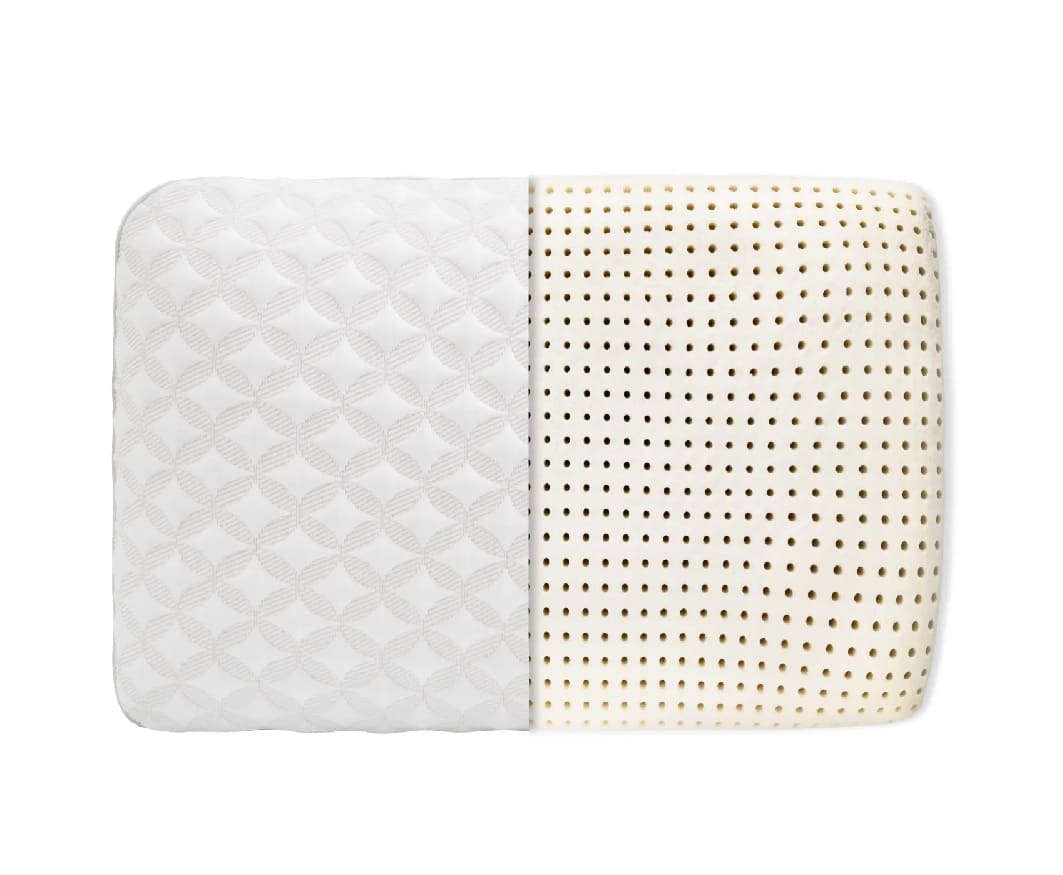
First up, let’s talk about latex. When we mention high-quality latex pillows, we are usually talking about natural latex derived from the sap of rubber trees. It’s a material famous for its incredible resilience. Unlike materials that let you sink down into a deep groove, latex has an instant bounce-back quality.
Latex Pillow vs. Memory Foam Pillow, Which One Should You Choose?
JUN 09, 2026
Last updated: JUL 22, 2026


156 views, 2 mins read
A good pillow can completely transform your nightly sleep, easing neck soreness, eliminating restless tossing, and boosting overall sleep quality. But when shopping for new bedding, most people struggle to choose between a latex pillow and a memory foam pillow.
The debate of latex vs memory foam pillow is one of the most common questions for sleepers hunting for supportive, comfortable pillows.

These two bestselling pillow materials dominate the market, yet they deliver vastly different feels, support levels, and durability. Whether you’re a hot sleeper, suffer from persistent neck discomfort, or tired of constantly replacing flat, worn-out pillows, learning the key differences between memory foam vs latex pillow will help you pick the ideal option for your unique sleep habits.

In this article
What is a Latex Pillow? Pros and Cons
When you lay your head down, it supports you immediately without letting you bottom out. According to data from the Sleep Foundation, natural latex is highly valued for its eco-friendly nature and open-cell structure, which inherently allows for better ventilation than traditional synthetic materials.
Pros
- Instant Responsiveness: If you roll over a lot at night, a latex pillow moves with you instantly. There’s no delay and no temporary "crater" left behind, making it amazing for combination sleepers.
- Cooling and Breathable: Latex naturally doesn't trap body heat. Plus, most manufacturers punch small ventilation holes throughout the core to maximize airflow, keeping you sweat-free.
- Incredible Durability: A solid natural latex pillow can easily last 5 to 10 years without losing its shape, easily outperforming almost every other material on the market.
- Hypoallergenic: It is naturally resistant to dust mites, mold, and mildew, which is a massive win for allergy sufferers.
Cons
- High Upfront Cost: Quality comes at a price. True natural latex pillows are an investment and usually cost significantly more than memory foam.
- Distinct Rubber Smell: When brand new, they can have a slight vanilla-like or rubbery scent. It fades in a few days but can bother sensitive noses initially.
- Lacks that "Hugged" Feeling: If you love the sensation of sinking deep into a pillow and having it melt around your facial features, latex might feel a bit too firm or pushy.
What is a Memory Foam Pillow? Pros and Cons
Now, let’s shift gears to memory foam. Originally developed by NASA in the 1960s to improve seat safety during space flights, memory foam (or viscoelastic polyurethane foam) is famous for its slow-motion reaction to pressure and heat.
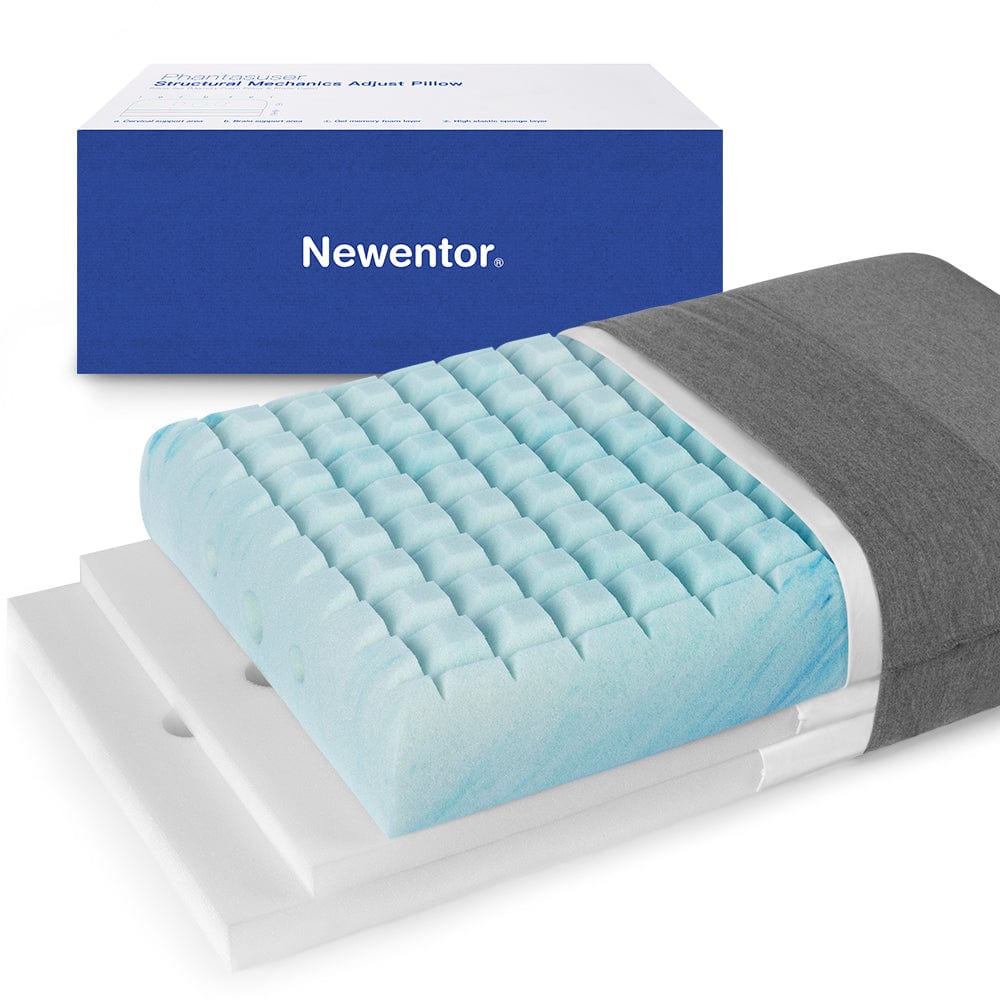
When you rest your head on a memory foam pillow, your body heat softens the material, allowing it to mould precisely to your unique shape. It feels like a customised cradle for your head and neck, offering that deep, pressure-relieving sink that many people swear by after a long, stressful day.
Pros
- Custom Contouring: It maps out the exact curvature of your neck and head. This deep contouring keeps your spine aligned and takes the pressure off sensitive joints.
- Excellent Motion Isolation: Memory foam absorbs energy. If you move, the rest of the pillow stays completely still, which is great if you share a bed or use a larger connected cushion system.
- No Pressure Points: By distributing weight evenly, it eliminates hot spots, making it a favorite for people recovering from neck injuries or chronic stiffness.
- Affordable Variety: You can find memory foam pillows at almost any price point, available in solid blocks, contoured ergonomic shapes, or shredded fills.
Cons
- New memory foam pillows often emit a chemical odor due to the volatile organic compounds used in manufacturing. It usually clears within 24 to 48 hours.
Latex Pillow vs Memory Foam Pillow
To truly settle the debate of memory foam vs latex pillow, let's break down how they stack up in everyday, real-life sleeping scenarios.
The biggest difference is touch. Low quality memory foam sinks slowly and holds you snugly, while latex feels buoyant and supportive. Choose latex if you dislike a confined feel, or memory foam for a cozy, wrapped-in feel.
Latex stays far cooler than memory foam. Memory foam sags after 2–3 years, yet quality latex lasts over 5 years. Though pricier upfront, latex delivers better long-term value.
Sleep position also counts: Side sleepers do well with thick latex or contoured memory foam. Back sleepers prefer medium-loft memory foam. Stomach sleepers should opt for thin latex or adjustable shredded memory foam.
Latex vs. Memory Foam Pillow Comparison
| Feature | Latex Pillow | Memory Foam Pillow | Winner |
|---|---|---|---|
| Tactile Sensation | "Floating on top" feeling; bouncy and responsive. | "Sinking in" feeling; slowly contours to your unique shape. | Tie |
| Temperature Regulation | High breathability; open-cell structure stays cool. | Tends to retain body heat. | Latex Pillow |
| Durability & Lifespan | Long-lasting; comfortably crosses the 5-year mark up to a decade. | Typically lasts around 2 to 3 years before sagging. | Latex Pillow |
| Initial Investment | Higher upfront price tag. | Generally more affordable with wide variety. | Memory Foam Pillow |
| Best For (By Position) | Combination sleepers and Stomach sleepers. | Back sleepers and Side sleepers. | Tie |
FAQs
Q: Is a latex pillow better than a memory foam pillow for neck pain?
A: It depends on the type of pain. If your neck pain requires strict immobilization and pressure relief, a contoured memory foam pillow is often recommended by physical therapists. However, if your pain comes from tossing and turning, the responsive support of a latex pillow might serve you better.
Q: Do latex pillows smell bad?
A: Fresh natural latex has a mild, sweetish rubber smell. It is completely non-toxic and usually dissipates entirely within a few days of being unboxed in a well-ventilated room.
Q: Can you wash these pillows?
A: Generally, neither solid latex nor solid memory foam should ever go into a washing machine, as water can break down the core structure. However, many come with removable, machine-washable covers. Always check the manufacturer's care tag!
Final Thoughts
At the end of the day, the latex vs memory foam pillow all depends on your taste. Pick latex for cool, bouncy, long-lasting support. If you prefer soft, pressure-relieving comfort, go for Newentor memory foam pillows for great sleep every night. Your body will love it!


Leave a comment

156 views, 2 mins read