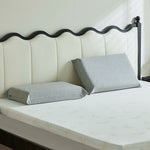
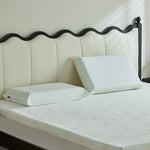
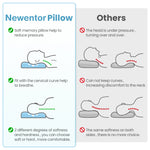
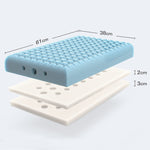
1. Is it healthy to sleep upright?
Yes, for many people, sleeping upright or at an elevated angle can be highly beneficial. It is a common medical recommendation for individuals managing gastroesophageal reflux disease (GERD), obstructive sleep apnea, severe snoring, or certain cardiovascular conditions. It is also helpful during recovery from specific surgeries or during periods of heavy nasal congestion. However, for long-term use, it requires proper ergonomic support to prevent spinal strain.
2. Can sleeping upright cause back or neck pain?
It can if your body is not properly supported. If you simply stack standard pillows under your head, your chin will be forced toward your chest, straining your neck. Similarly, sitting up without lower back and under-knee support can cause you to slouch, flattening the natural curve of your lumbar spine and leading to lower back aches. Using an angled wedge setup and supporting your knees is crucial to staying pain-free.
3. What is the best angle for upright sleeping?
For general health benefits like reducing acid reflux or snoring, a gentle incline between 30 to 45 degrees is usually ideal. You want to create a continuous, ramp-like slope from your waist up to your head, rather than a sharp bend at the neck or hips.
4. Do I need to support my legs when sleeping elevated?
Absolutely. This is one of the most overlooked aspects of upright sleeping. When your upper body is elevated and your legs are perfectly flat, it pulls tightly on your hamstrings and puts intense pressure on your tailbone and lower spine. Placing a pillow under your knees tilts your pelvis back, instantly relieving that lower back tension and improving circulation.
5. Can I sleep upright through the entire night?
Yes, provided you have a stable, supportive pillow configuration (like a high-density memory foam wedge pillow) that won’t shift or collapse while you sleep. If you are new to sleeping upright, it is completely normal to experience an adjustment period. You can start with a lower angle for the first few nights and gradually increase the incline as your body adapts.