



Most Aussie parents pick cheap, thin mattresses for their kids without realising how a poor bed can harm their child’s long-term health.
Best Mattress for Kids: A Parent's Guide to Healthy Sleep
JUL 19, 2026
Last updated: JUL 22, 2026


2912 views, 4 mins read
Kids grow up in the blink of an eye, and transitioning to their first "big kid" bed is a major milestone. But with so many options out there, choosing the right sleep setup can quickly feel overwhelming.
Finding the best mattress for kids isn't just about picking the softest option on the showroom floor. It is about supporting their rapid physical development, ensuring they wake up energized, and setting them up for a lifetime of healthy sleep habits.

In this comprehensive guide, we will break down exactly what to look for, how to choose a mattress that grows with your child.

In this article
1. Why a Quality Kids Mattress Matters
2. What Factors Should You Consider before Buying a Mattress for Kids?
3. Choose the Right Mattress for Your Kids with 3 Steps
4. What's the Common Problems with Kid's Mattress
5. Best Mattresses for Kids in Australia
6. FAQs on Choosing the Best Mattress for Kids
Why a Quality Kids Mattress Matters
Unlike fully grown adults, children’s spinal curves keep developing well into their late teens — and this is backed by research from the Australian Spinal Research Foundation (ASRF). A saggy, too-soft best kids mattress lets your child’s hips and shoulders sink unevenly through the night. This leads to constant tossing and turning, morning body aches, and even posture issues over time.
Data from the Journal of Pediatric Orthopedics shows that 41% of mild childhood scoliosis cases are linked to unsupportive sleep surfaces.
Kids spend nearly half their day in bed. An unstable mattress disrupts the deep sleep where growth hormones are released, which can lower their focus at school and weaken their immune system.
Premium best mattresses for kids fix these hidden issues with zoned support, hypoallergenic fabrics and reinforced edges. Cheap foam beds, by contrast, lose their shape in less than two years — and end up costing you more in repeated replacements over time.
What Factors Should You Consider before Buying a Mattress for Kids?
Choosing a mattress for your growing child involves balancing several practical factors. To get the most value out of your purchase, keep these four essential pillars in mind:
1. Size & Age Suitability
Toddlers transitioning from a cot generally start on a standard Single size mattress. However, if your child is tall or you want a bed that easily lasts into their teenage years, upgrading to a King Single offers excellent extra legroom. For teenagers, a Double or Queen mattress is a great option if bedroom space allows.

2. Appropriate Orthopedic Support
Proper spinal health is critical during growth spurts. To keep your child's body in healthy alignment, look for supportive innerspring or hybrid mattresses rather than cheap, all-foam models.
3. The Right Firmness Level
Since children have lighter bodies than adults, they do not need heavy, thick comfort layers to feel cozy. While adults have distinct preferences, children sleep best on mattresses in the medium to firm range. This sweet spot provides enough surface resistance to support their growing bones while still offering a comfortable sleep.
4. Safety, Stability, and Healthy Materials
If your toddler is prone to rolling around, look for a mattress with strong edge support. A stable mattress perimeter prevents "roll-out" accidents and extends the usable sleeping space. Additionally, pay close attention to fabrics and foams. Opt for hypoallergenic, moisture-wicking fabric treatments to keep the sleep environment cool, dry, and free of allergens.
Choose the Right Mattress for Your Kids with 3 Steps
If you want to bypass the stress of shopping, you can easily find the perfect match by following this simple, three-step guide:
Step 1: Decide on the Bed Size
While a standard single is the traditional choice, upgrading to a "King Single" is highly recommended if you have the bedroom space. A standard single mattress is 92 cm wide and 188 cm long, but a King Single offers 107 cm of width and 203 cm of length. This extra room gives your child plenty of space to grow, ensuring you do not have to buy another mattress when they hit their teenage growth spurts.
Step 2: Choose Between Innerspring, Foam, and Hybrid
- Memory Foam: Great for pressure relief and contouring support, but cheap foam can run hot.
- Innerspring: Traditional and highly breathable, but sometimes lacks the contouring comfort kids love.
- Hybrid: The gold standard. It combines supportive pocket springs with a top layer of contouring foam, providing excellent air circulation and pressure relief.
Also Read
Step 3: Utilize a Risk-Free Trial Period
Kids can be incredibly picky. To avoid being stuck with a bed they dislike, choose a brand that offers a trial period, such as a 100-night risk-free trial. This allows your child to sleep on it in their own room to ensure it is the perfect fit.
What's the Common Problems with Kid's Mattress
When parents purchase cheap, low-quality mattresses, they often encounter a familiar set of frustrating issues:
- The "Sauna" Effect: Cheap, dense foam mattresses tend to trap body heat. This leads to midnight wake-ups, sweaty pajamas, and restless sleep patterns.
- Sagging and Dipping: Low-quality beds lose their supportive shape within a year or two. When the middle of the mattress sags, it forces your child's hips to drop, throwing their posture out of alignment and causing morning stiffness.
- Nasty Off-Gassing: Many budget mattresses emit a strong, chemical smell when first unboxed. For kids with asthma, allergies, or sensitive airways, these chemical vapors can trigger respiratory irritation and coughing fits.
Best Mattresses for Kids in Australia
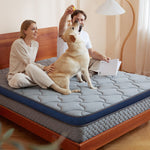
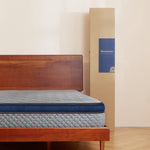
1. Newentor Hybrid Mattress (Best Budget Single Mattress for Kids)
- Best For: Growing toddlers, active kids, and back sleepers.
- Firmness Level: Medium-Firm (The recommended sweet spot for growing bones).
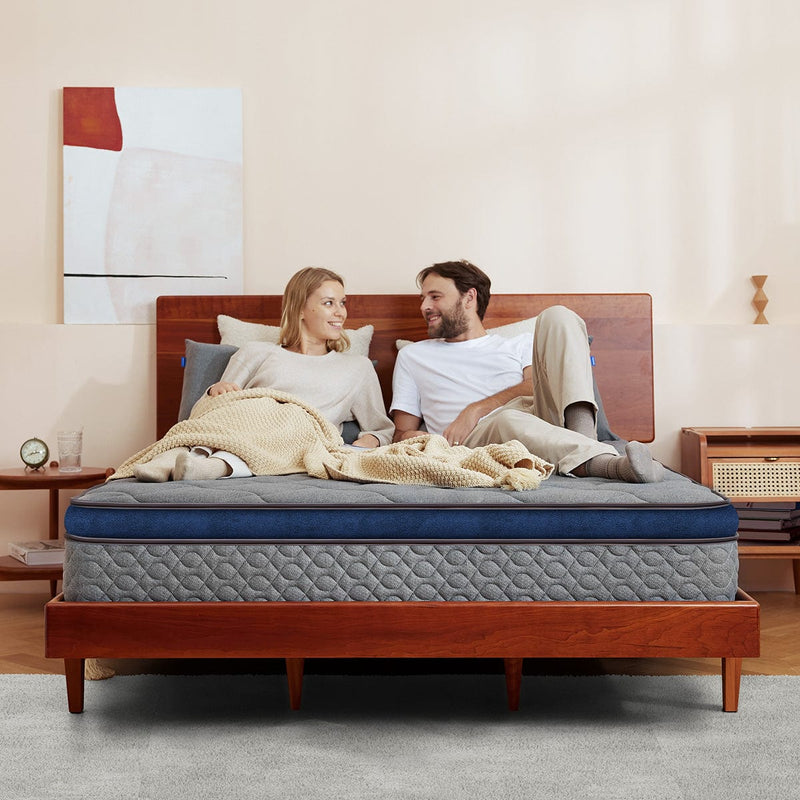
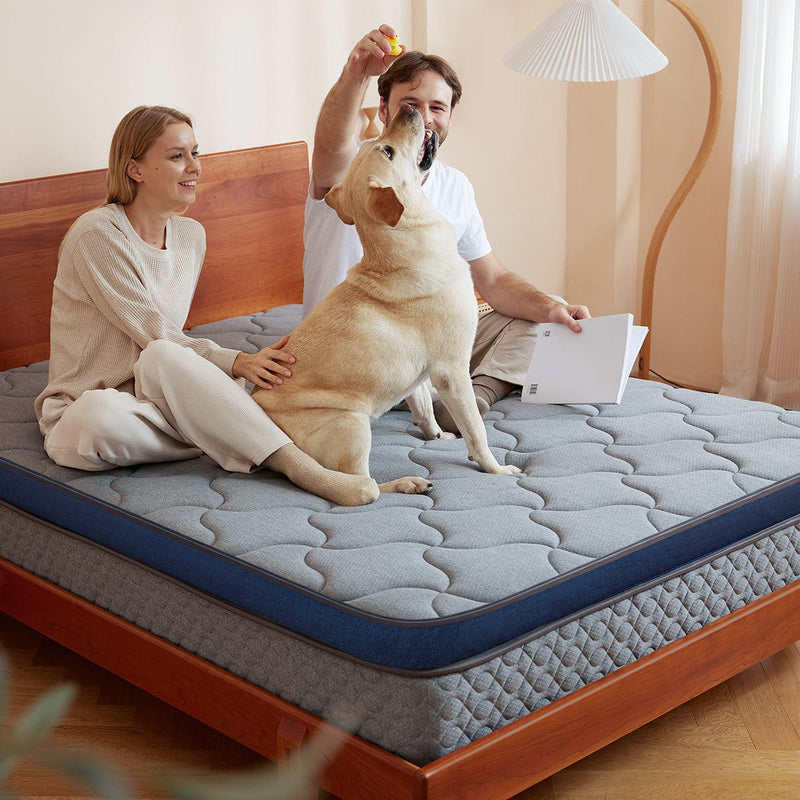


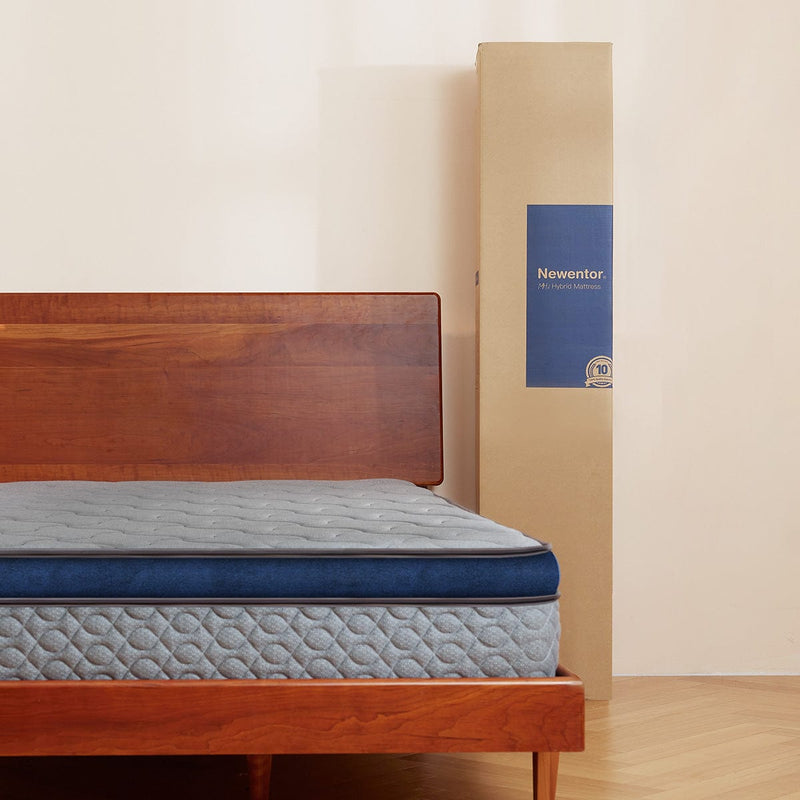


Newentor Hybrid Mattress
$488.00
$1,050.00
Save
$562.00
In stock, delivery in 3-5 days
- 7-Zone Support: Specifically designed to target and support your head, shoulders, waist, hips, thighs, calves, and feet, while promoting proper spinal balance.
- Individual Pocket Springs: Each spring is independently wrapped, offering excellent shock absorption and resilience.
- Gel-Visco memory foam + PCM foams relieve 98.8% body pressure while delivering cloud-cradled comfort for transformative sleep support.
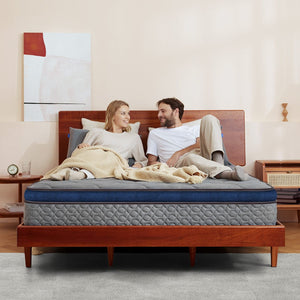
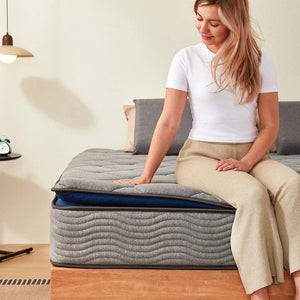
2. Newentor Hybrid Mattress Pro
- Best For: Older kids, teenagers, and side sleepers who prefer a plush feel.
- Firmness Level: Medium-Soft (Offers a slightly more cushioned, cloud-like experience without sacrificing support).


Newentor Hybrid Mattress Pro
$749.00
$1,500.00
Save
$751.00
In stock, delivery in 3-5 days
- 7 Zone Body Support
- 4 Hardness Levels
- Coconut Fiber
- Can Be Used With Adjustable Bed
- CertiPUR-US® Certified
- 120 Night Free Trial & 10-Year Warranty
FAQs on Choosing the Best Mattress for Kids
1. How long does a kid's mattress typically last?
A high-quality mattress should easily last between 7 to 10 years. If you transition your child into a premium single or King Single mattress around the age of 3 or 4, that same mattress can comfortably support them all the way into their early teenage years.
2. Is a spring mattress or a memory foam mattress better for a child?
While both have benefits, a zoned hybrid mattress is generally considered the gold standard for kids.
All-foam mattresses contour beautifully but can trap body heat and lack perimeter stability.
Traditional innerspring mattresses are breathable but can sometimes feel too bouncy or sag over time.
Hybrid mattresses combine the body-conforming pressure relief of memory foam with the targeted, zoned orthopedic support of pocket springs, giving your child the best of both worlds.
3. Why is edge support so important for a kid's mattress?
Active kids don't just sleep in the dead center of the bed—they roll around, sit on the edge to put on shoes, and sometimes use their bed as a reading nook. Strong edge support prevents the rolling-out-of-bed accidents common with toddlers making the transition from a cot. It also maximizes the usable sleeping surface and prevents the perimeter from sagging when parents sit beside them for bedtime stories.
4. Do I really need a waterproof mattress protector?
Yes, absolutely. Kids' beds are highly prone to nighttime accidents, spilled drinks, sweat, and stomach bugs. A breathable, waterproof mattress protector acts as a vital shield to keep moisture out of the foam and spring layers. This prevents the growth of mold, mildew, and bacteria, keeping their sleeping environment hygienic and extending the lifespan of the mattress.
5. What thickness is best for a bunk bed or trundle?
For standard beds, a thickness of 20 cm to 25 cm (like the Newentor hybrid models) is ideal for maximum comfort and structural support. However, if you are buying a mattress for a top bunk, safety standards usually require a thinner profile—typically 15 cm to 18 cm—to ensure the safety guardrails remain high enough to prevent falls.



Leave a comment

2912 views, 4 mins read