



Mattresses on the market can be generally classified into four main types based on their materials: foam mattresses, coil mattresses, hybrid mattresses, and latex mattresses.
Which Mattress Types are Best for You?
MAR 04, 2026
Last updated: JUL 22, 2026


925 views, 4 mins read
With so many different types of mattresses on the market, it's easy to feel overwhelmed. If you're looking to buy a new bed but don't know where to start, begin by understanding the mattress types!
Whether you're a side sleeper, a hot sleeper, or someone waking up with an achy back, this guide will help you choose the best mattress type for your needs.


In this article
Understand the Mattress Types
What's the Difference Between Them?
At a Glance
| Features | Foam Mattress | Coil Mattress | Hybrid Mattress | Latex Mattress |
|---|---|---|---|---|
| Material | Memory foam, polyurethane foam, gel-infused foam | Steel coils, thin foam padding, cotton pad | Pocket springs + multiple layers of foam/latex | Natural or synthetic latex |
| Durability | Moderate (8-10 years), depends on foam density | Fair (5-7 years), coils may lose tension over time | Good (8-15 years), complex structure lasts longer | Excellent (10-15+ years), natural latex is very resilient |
| Support | Good, excellent body contouring but may lack deep support | Good, provides firm and stable support | Excellent, combines coil support with foam contouring | Excellent, strong support with a responsive feel |
| Motion Transfer | Very low, almost completely isolates motion | High (especially continuous coils), partner movement easily felt | Low, pocket springs effectively reduce motion transfer | Low, elastic material absorbs some vibration |
| Edge Support | Fair, edges may compress easily when sitting | Fair/Good, depends on reinforced edges | Good, many models feature reinforced edge support | Good, overall structure is quite stable |
| Cost | Wide range, from budget-friendly to high-end | Generally the most affordable option | Usually more expensive due to complex materials | Usually expensive, especially natural latex |
1. Foam Mattress
A foam mattress is like a big, cozy hug for your body. Most people think of memory foam first, but this category also includes mattresses made from different types of polyurethane foam.

The magic of a foam bed is how it responds to your body heat and weight, slowly molding itself to your unique shape. This means it excels at relieving pressure on your hips and shoulders, which is why side sleepers tend to love them.
They’re also famously quiet and great at absorbing movement, so if your partner is a restless sleeper, you probably won't feel a thing. Modern foam mattresses have evolved a lot, with many now featuring gel infusions or "open-cell" technology to help with the heat retention that older versions were known for.
Pros
- Excellent Pressure Relief: Conforms closely to the body, cushioning joints and reducing pressure points.
- Superior Motion Isolation: Absorbs almost all movement, making it ideal for couples.
- Quiet: Absolutely no squeaking or noise when you move.
- Lightweight: Generally easier to move and set up than heavier coil beds.
Cons
- Heat Retention: Traditional memory foam can sleep hot, though gel or copper infusions help.
- Low Bounce: The "stuck in the mud" feeling can make moving around or changing positions feel like hard work.
- Edge Support: Often weaker around the edges, so you might feel like you'll roll off when sitting on the side.
2. Coil Mattress
The coil mattress, often called an innerspring, is the classic, old-school choice that’s been around for generations. At its heart is a support core made of steel coils, which gives it that distinct bouncy, responsive feel. If you like a bed that’s easy to move around on and has a bit of lift, this is your style.

The big advantage here is airflow—because the structure is open, air circulates freely, helping to keep you cool all night long. While older versions had connected coils that transferred motion like crazy, modern versions often use "pocket springs" wrapped individually to improve motion isolation. They're usually the most budget-friendly option you'll find.
Pros
- Excellent Airflow: The open coil structure sleeps very cool.
- High Bounce: Makes it easy to move, get in and out of bed, and change positions.
- Firm Support: Often provides a very stable, sturdy sleeping surface.
- Affordability: Generally the least expensive mattress type on the market.
Cons
- Motion Transfer: Can be poor, especially with connected coils, so you might feel your partner's every move.
- Pressure Relief: The thin comfort layer may not provide enough cushioning for hips and shoulders.
- Noise: Older or lower-quality models can develop squeaks over time.
- Durability: Coils may sag or lose tension faster than other materials (typically 5-7 years).
3. Hybrid Mattress
Think of a hybrid mattress as the "best of both worlds" superhero of the bed world. It takes the sturdy, supportive pocket spring core from an innerspring and tops it with the thick, pressure-relieving foam or latex layers you’d find in a foam bed.

This combination is designed to give you the support and airflow of springs with the comfort and contouring of foam. Because they have so much going on inside, hybrids are fantastic at pleasing a wide range of sleepers—from back sleepers needing support to side sleepers wanting cushioning.
They tend to be on the pricier side because you're getting two types of technology in one bed, but many people find they offer the perfect balance.
Pros
- Balanced Feel: Offers both support from coils and comfort from foam, appealing to most sleep positions.
- Excellent Support: Provides strong, durable support with good spinal alignment.
- Great Motion Isolation: Pocket coils move independently, so motion transfer is low.
- Excellent edge support
Cons
- Prices can differ quite a bit from brand to brand.
4. Latex Mattress
A latex mattress is the premium, eco-friendly choice that offers a unique "sleep on it" rather than "sleep in it" feel. Made from either natural latex (tapped from rubber trees) or synthetic versions, this material is known for being incredibly responsive, durable, and breathable.

If you've ever wanted a bed that lifts you up with a gentle, springy feel while still cushioning your pressure points, latex is worth considering. It naturally resists dust mites and mold, making it a fantastic option for allergy sufferers.
There are two main types you'll hear about: Dunlop (denser and firmer, often used for the base) and Talalay (fluffier and softer, often used for comfort layers). While it tends to be one of the pricier options, many people see it as a long-term investment in their sleep.
Pros
- Exceptional Durability: Natural latex is one of the longest-lasting mattress materials, often holding its shape for 10–15 years or more.
- Eco-Friendly & Hypoallergenic: Natural latex is biodegradable, and it naturally resists dust mites, mold, and mildew.
Cons
- High Cost: Latex mattresses are usually the most expensive option on the market, especially natural Talalay latex.
- Heavy Weight: They are very dense and heavy, making them difficult to move, rotate, or change sheets on.
Mattress-in-a-Box vs. Traditional Mattress
In addition to differences in materials, mattresses are also categorized based on transportation and packaging methods into boxed mattresses and traditional mattresses. As an emerging form of packaging, the boxed mattress is designed to meet the need for convenient transport.
Key Differences At a Glance
| Aspect | Mattress-in-a-Box | Traditional Mattress |
|---|---|---|
| Main Types | Memory foam, latex, hybrid (foam + springs) | Innerspring (continuous coil/ pocketed coils), foam, latex, etc., wider variety available |
| Purchase & Delivery | Primarily bought online, vacuum-compressed and shipped in a box, delivered to your doorstep, easy to maneuver, especially for stairs or narrow hallways | Can be purchased after trying in-store or ordered online. Usually requires scheduled delivery, bulky and heavy |
| Setup & Use | Requires several hours up to 72 hours to fully expand after unboxing; may have a temporary odor | Ready to use immediately after unpacking, no waiting period |
| Trial & Warranty | Commonly offers 100-night or even year-long in-home trials and a 10-year (or longer) warranty | In-home trials are less common; warranty varies by brand and model |
| Price Range | Cuts out middlemen and physical store costs, wide price range from budget-friendly to high-end, good value for money | Also covers a wide price spectrum; high-end customizable or natural material mattresses can be very expensive |
| Pros | easy setup, long in-home trials, good value | It can test in person, wider selection of materials and firmness, offers customization options |
| Cons | Cannot test before purchase (except for some brands), requires expansion time, edge support might be weaker | Difficult to move, typically no in-home trial, price may include higher overhead costs. |
A Mattress-in-a-Box Might Be Better for You If:
- You're an online shopper who values convenience: You prefer buying online and want a mattress delivered easily to your door, manageable for one person to handle and set up.
- You rent or move frequently: The lightweight, compact box makes your next move significantly easier.
- You live in an apartment or a walk-up: The boxed design can easily navigate narrow hallways and staircases.
- You want a "try before you buy" experience: Long in-home trials (up to 100 nights or more) let you truly test if the mattress suits you.

A Traditional Mattress Might Be More Suitable If:
- You prefer to test before buying: You feel more comfortable lying on a mattress in a store to confirm its firmness and feel before making a decision.
- You seek specific materials or customization: For example, you specifically want materials like natural latex, wool, or silk, or you want the ability to customize the firmness level.
- You need it immediately: You want to sleep on your new mattress the day it arrives, without waiting for it to expand.
- You prefer a traditional sleep feel: You like the more responsive feel of a classic innerspring mattress.
Note
- Want to know how to find the perfect mattress based on your specific weight, sleeping position, and height? Check out our deep-dive guide: How to Choose the Right Mattress.
FAQs
1. What is the best filling for a mattress?
There is no single "best" filling, as the ideal choice depends on your comfort preference and health needs.
- Memory Foam: Best for pressure relief and "hugging" the body, though it can retain heat.
- Latex: A natural, durable option that offers a "buoyant" feel and stays cooler than foam.
- Coils/Springs: The classic choice for airflow and strong edge support. In 2026, pocket coils are the gold standard for reducing partner disturbance.
- Hybrid: Often considered the best of both worlds, using a pocket coil base for support and a top layer of foam or latex for comfort.
For most people, a high-density hybrid filling provides the most balanced support and longevity.
2. What type of mattress is best for a bad back?
For back pain, clinical consensus has shifted away from "extra firm" toward medium-firm mattresses. A medium-firm surface provides enough "give" to cushion the shoulders and hips while maintaining the spine's natural alignment.
Zoned Support Hybrids or latex mattresses are typically the top recommendations. Zoned systems feature firmer coils or foam in the center (under the hips) and softer support at the head and feet.
This prevents the heavy midsection from sagging, which is a primary cause of morning back aches.
If you are a side sleeper with a bad back, look for a slightly softer top layer to relieve shoulder pressure.
3. What is the coolest mattress type?
The coolest mattress type is a high-quality Hybrid or traditional Innerspring. Because the core of these mattresses is mostly open air (the space between the coils), heat can escape easily rather than being trapped against your body.
If you prefer foam but run hot, Latex is the best alternative. Natural latex has an open-cell structure that promotes "breathability" and doesn't soften with body heat like memory foam does.
However, gel-infused memory foam is a game-changer for heat, especially with modern "cooling tech." Look for:
- Graphite-infused foam
- Phase-change materials (PCM)
- Breathable covers like Tencel and Bamboo
They really help, but if you’re a naturally "hot sleeper," still try to avoid 100% traditional memory foam—it basically acts like an insulator and traps your body heat.
Bottom Lines
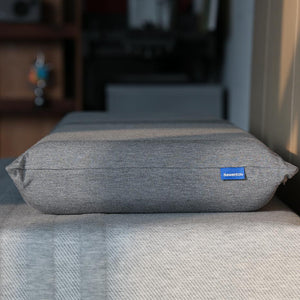
This guide covers the most popular mattress types in Australia, breaking down the pros and cons to help you find your perfect match. Newentor is a favourite for comfortable, premium bedding—check out our collection below:


Leave a comment

925 views, 4 mins read