The Ultimate Guide to High-Density Foam Mattress in 2026

Home > All Artcles >
The Ultimate Guide to High-Density Foam Mattress in 2026

You might have come across the term high density foam mattress while shopping for a new bed. It sounds technical, but in the real world, what most people actually care about is: what exactly qualifies as "high density"? And does a higher foam density always mean better quality?


In 2026, the mattress market is more crowded than ever. The truth is, the difference in your sleep experience often comes down to the performance of the high density foam inside. High density doesn't necessarily mean "firm," and it’s not the right fit for everyone.


So, how do you know if a high density mattress is right for you? This guide will break down the specs and help you choose a bed that’s actually comfortable.

In this article

1

What is High-Density Foam? Are High-Density Foam Mattresses Good?

Essentially, this is a type of polyurethane foam. In simple terms, "density" refers to the weight of one cubic foot of foam. Generally, anything over 3.0 lbs is what we call high density foam.


You can think of it like the difference between a dense sourdough and fluffy white bread; HD foam is packed with more material, making it much more durable.

high density memory foam

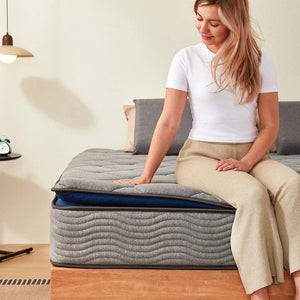
In hybrid mattresses, HD foam is often used as the bottom layer of the comfort system to provide stability. In all-foam mattresses, however, it serves as the core support layer to prevent sagging.

If you don’t want your mattress to develop a massive dip after just a year or two, it’s a total game-changer. According to data from the Sleep Foundation, high-density foam significantly outperforms budget foams in pressure tests, providing your spine with much more reliable, long-term support.

Also Read:
2

The Pros and Cons of High Density Foam Mattress

Pros

  • Exceptional Durability: This is the biggest selling point. While low-density foam might sag in 2–3 years, a quality high density foam mattress can easily last 10 to 12 years without losing its shape.
  • Superior Motion Isolation: If your partner tosses and turns like they’re in a wrestling match, HD foam is a lifesaver. It absorbs energy so well that you won’t feel a thing on your side of the bed.
  • Excellent Pressure Relief: It contours deeply to your body’s "heavy points" (hips and shoulders). This helps align your spine and can significantly reduce that "stiff morning" feeling.
  • Better Support for Heavier Bodies: Standard foam often "bottoms out" under weight. HD foam provides the structural integrity needed to keep sleeper's bodies on top of the comfort layers rather than sinking into the hard base.

Cons

  • Heat Retention: Because high-density foam has a tighter cell structure, it doesn't breathe as easily as coils or low-density foam. If you’re a "hot sleeper", you’ll want to look for models with cooling infusions like gel, copper, or charcoal.
  • It can feel so firm at first: Because of its high-density structure, it doesn't sag or compress as quickly as cheaper foams, which might feel a bit stiff to someone transitioning from a plush bed.
  • Weight and Price: These beds are heavy—don't plan on moving one by yourself! They also come with a higher upfront price tag, though the "cost-per-year" is lower because you won't be replacing it anytime soon.
3

High-Density Foam vs Low-Density Foam

The density of the foam affects everything from comfort and durability to how the layers are stacked and which sleepers it's best for. Check out this simple comparison table for the details:

The Comparsion Chart of High-Density Foam vs Low-Density Foam

Features High-Density Foam Low-Density Foam
Primary Feel Firm & Supportive. Provides a solid, "on-top" feeling. Soft & Plush.
Support & Spine Alignment Superior Adequate initially. May lose support over time.
Durability Excellent. Highly resistant to sagging and body impressions. Lasts 8-10+ years. Lower. Prone to early sagging and indentations. Typically lasts 3-5 years.
Pressure Relief Moderate. Good for general support, but may not contour deeply to relieve pressure points (hips, shoulders). Good initially. Offers better immediate contouring, but may "bottom out".
Motion Isolation Excellent. Good.
Weight Heavy. Difficult to move, rotate, or change sheets. Lightweight. Easy to handle, set up, and maneuver.
Best for Heavy sleepers, stomach sleepers, back sleepers, people wanting a long-term investment. Children, guest rooms, light individuals, tight budgets, and those who change mattresses frequently.
4

How To Choose The Right Foam Type For Your Sleep Style

So how do you know which type of foam is right for you? Ultimately, the final choice comes down to your sleep position, body weight, and personal sleep preferences. You need to consider the following points:

1. Your sleep position

Your sleep position is the single biggest factor in determining how much pressure your body puts on the mattress.

  • Side Sleepers: You need relief for your hips and shoulders. Look for plush top layers (low or medium density) that allow these heavy parts to sink in slightly.
  • Back Sleepers: You need a balance. Look for a medium-firm feel with a high-density core to support the lower back without creating a "hammock" effect.
  • Stomach Sleepers: You need to keep your spine flat. Look for firm, high-density foams that prevent your hips from sinking down.

2. Your body weight

Your weight determines how deeply you will press into the foam. A mattress that feels soft to a heavy person might feel rock-hard to a lightweight person.

  • Lightweight (< 150 lbs / 68 kg): You may find high-density foam too firm. Look for medium-density foams or mattresses with thick comfort layers so you can actually feel the contouring.
  • Average (150–230 lbs / 68–104 kg): You have the most flexibility. Focus on the other factors (position and feel) to make your choice.
  • Heavyweight (> 230 lbs / 104 kg): You need durability and support. Prioritize high-density foam in both the comfort and support layers to avoid "bottoming out" and to ensure the mattress lasts.

High Density Foam

3. Soft vs. Firm

Beyond the science of support, there is the art of personal preference. Ask yourself: What feels most relaxing to you?

  • You like a Soft Feel: You probably enjoy sinking into the bed at the end of the day. Look for memory foam or plush low-density tops that cradle your body.
  • You like a Firm Feel: You prefer to sleep "on top" of the bed rather than "in" it. Look for high-density polyfoam or latex, which provides a solid, supportive surface.

4. Assess Your Sleep Temperature

Finally, be honest about how you sleep temperature-wise. This will determine the mattress type of foam you need within your chosen density.

  • Are you a Hot Sleeper? If you wake up sweaty or often kick off the covers, avoid traditional high-density memory foam. Instead, look for gel-infused foams, latex, or low-density polyfoam (which allows more airflow).
  • Are you a Cold Sleeper? If you love feeling cozy and warm, the heat-retaining properties of high-density memory foam can actually be a benefit for you.

Finding the right balance can feel like a mission, especially when you're looking for that specific "supportive but cozy" feel. If you’re tired of the "too hard" or "too hot" extremes of traditional foam, a high density memory foam mattress in a hybrid design might be your perfect match.


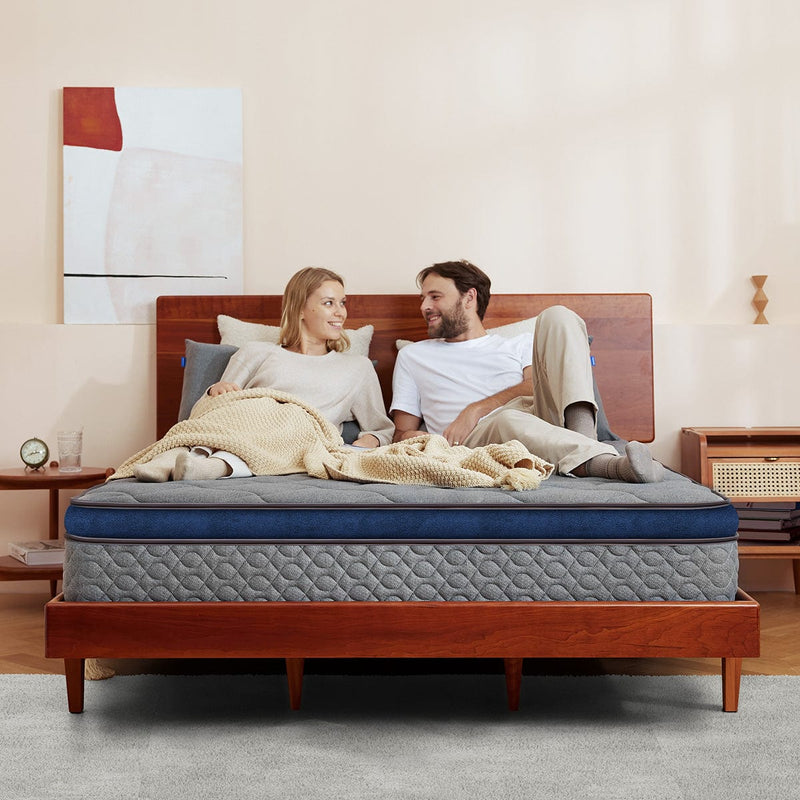
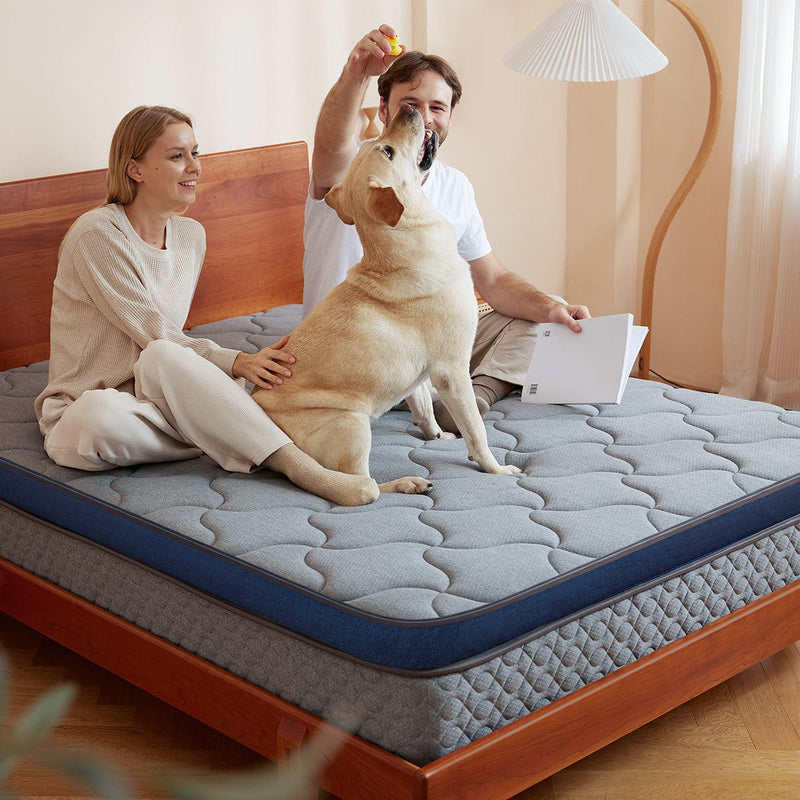
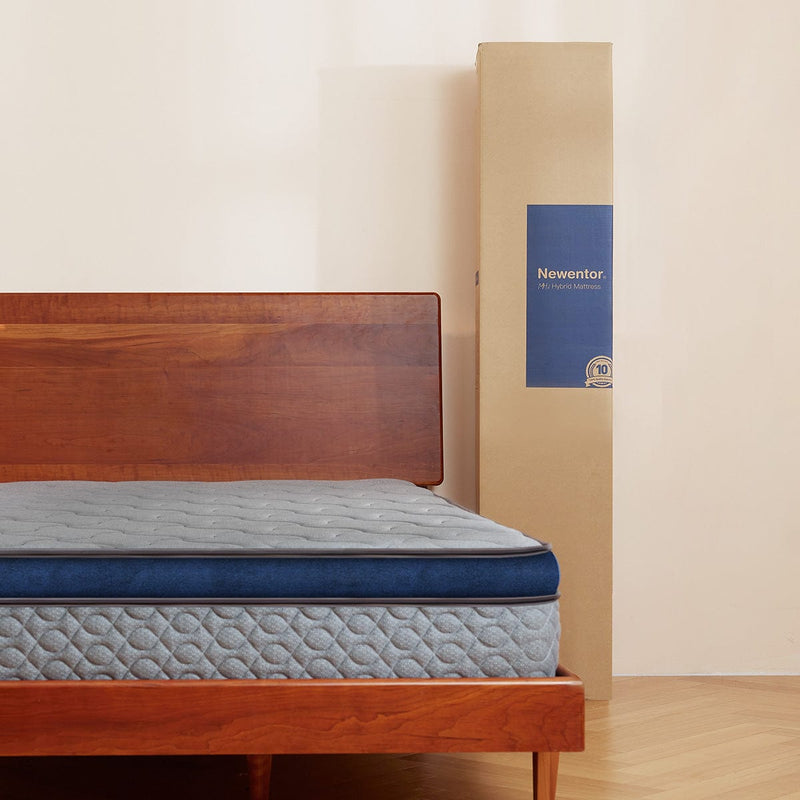
For those who want the durability of high density foam without the common pitfalls of heat and stiffness, the Newentor Hybrid Mattress hits the sweet spot.

Newentor Hybrid Mattress
$525.00 $1,050.00 Save $525.00
In stock, delivery in 3-5 days
  • Mattress Recommended by Australian Orthopaedic Surgeons.
  • 7 Zone Body Support.
  • 4 Hardness Levels.
  • CertiPUR-US® Certified.
Learn More
5

FAQs about High Density Foam Mattress

1. Can I use a high density mattress on an adjustable base?

A high density foam mattress is often considered one of the best choices for an adjustable base.

Because the foam is high-quality, it's both flexible and resilient. It can bend to follow the curves of the base—whether you're elevating your head to read or lifting your legs for better circulation—and then snap back to its original flat shape without permanent creasing or damage.


2. Will a high-density foam mattress make me sleep hot?

It can, but it's not a dealbreaker. Because high density foam is so packed with material, it has less "breathing room" than cheaper, airier foams, which can trap body heat.

However, modern beds usually solve this. If you're a hot sleeper, look for a high density foam mattress with cooling gel infusions, open-cell structures, or a hybrid design (foam + springs). These allow for much better airflow, giving you that rock-solid durability and support without the midnight sweats.


3. What is the difference between high-density polyfoam and memory foam?

  • High-Density Polyfoam: This is typically used as the support core (the bottom layer) of a mattress. It provides the foundational strength, durability, and push-back support.
  • Memory Foam: This is usually found in the comfort layers (the top layers). It is designed to be softer and contour to the shape of your body in response to heat and pressure. A quality mattress often combines a high-density polyfoam core with a memory foam comfort layer.

6

Final Thoughts

High-density foam is ideal for sleepers seeking lasting support and stability. It's a top choice for heavier individuals, couples, and anyone frustrated by mattresses that sag or lose shape too quickly. If you prefer a medium firmness, responsive surface, Newentor delivers the durability and steady comfort you need.

Newentor Hesperis Memory Foam Mattress Newentor Hesperis Memory Foam Mattress

$528.00 $880.00

Newentor Hybrid Mattress Newentor Hybrid Mattress

$495.00 $1,050.00

Newentor Hybrid Mattress Pro Newentor Hybrid Mattress Pro

$537.60 $1,280.00

Lullanna Cloud Dream Zero G Pillow Lullanna Cloud Dream Zero G Pillow

$81.00 $180.00

Waterproof Mattress Protector Waterproof Mattress Protector

$84.00 $140.00

Newentor Memory Foam Mattress Topper Newentor Memory Foam Mattress Topper

$182.40 $380.00

Comments
Leave a comment

Please note, comments must be approved before they are published

Author Information
992 views, 4 mins read
Dr. Sarah Mitchell, a renowned orthopedic surgeon and sleep expert, specialises in how spinal balance and mattress choice optimise sleep for musculoskeletal health.
Orthopedic Surgeon Life and Health Expert
Related Articles
More Articles