



Sleep is not a uniform state of unconsciousness. Instead, your brain cycles through two main categories every night: Rapid Eye Movement (REM) sleep and Non-Rapid Eye Movement (NREM) sleep. NREM sleep is further broken down into three distinct stages. Deep sleep—often referred to by scientists as stage 3 NREM or slow-wave sleep—is the absolute lowest point of brain and body activity.
How Much Deep Sleep Should You Get a Night? [2026 Guide]
JUL 13, 2026
Last updated: JUL 22, 2026


765 views , 3 mins read
Waking up exhausted after eight hours of sleep usually means you are lacking high-quality "slow-wave" or deep sleep. Sleep quality matters just as much as sleep duration. If you are constantly feeling fatigued, you are likely wondering: how much deep sleep should you get a night?

To feel truly rested, your body needs to spend a significant portion of the night in this deeply restorative phase, where your muscles repair and your brain recharges. By understanding your sleep stages, you can easily fix your nightly routine for better energy.

In this article
What is deep sleep?
During this vital stage, your body undergoes massive physical maintenance. Your brain waves slow down to a crawl, your heart rate drops, and your breathing becomes steady and deep.
According to data from the Sleep Foundation, this is the exact time when your body releases human growth hormone to repair muscles, tissues, and bones, while your immune system strengthens itself against illnesses. If you don't get enough stage 3 sleep, your body simply misses out on its nightly biological cleanup.
How much deep sleep is enough?
For the average healthy adult, deep sleep should make up about 13% to 23% of your total nightly sleep. If you are hitting the recommended target of 7 to 9 hours of total sleep per night, that translates roughly to 1.5 to 2 hours of deep sleep each night.
It is important to know that sleep architecture changes naturally as you age. Infants and young children require significantly more slow-wave sleep because their bodies and brains are growing at an exponential rate. However, as we cross into adulthood and older age, the percentage of deep sleep naturally declines.
Research published by the National Institutes of Health (NIH) indicates that after age 60, many adults see a noticeable drop in deep sleep duration, sometimes losing it almost entirely and replacing it with lighter stage 1 and stage 2 sleep.
What happens if you can’t get enough deep sleep?
Short-Term Effects on Cognitive Function:
- Difficulty Concentrating: A lack of deep sleep makes it harder to focus during work or study throughout the day.
- Memory Decline: The brain experiences a "foggy" sensation (brain fog), leading to a noticeable drop in short-term memory.
- Mood Swings: It easily triggers emotional reactions, such as sudden irritability, anger, or mood instability.

Long-Term Health Risks:
- Increased Risk of Neurodegenerative Diseases: Deep sleep is a critical period for the brain to flush out harmful toxins and waste products, including beta-amyloid proteins linked to Alzheimer's disease. Chronic deprivation causes these toxins to accumulate, increasing the risk of disease.
- Weakened Immune System: According to a long-term sleep study tracked by Harvard Medical School, insufficient deep sleep is heavily correlated with a compromised immune system.
- Increased Risk of Cardiovascular Disease: Consistent lack of sleep can easily lead to high blood pressure.
- Metabolic Abnormalities and Weight Gain: A lack of deep sleep contributes to weight gain (increased risk of obesity) and significantly raises the risk of developing type 2 diabetes.
Tips to help you increase your deep sleep
1. Establish Healthy Sleep Habits
- Maintain a Consistent Schedule: Go to bed and wake up at the exact same time every single day, including weekends.
- Watch Your Pre-Bed Intake: Avoid consuming caffeine or eating heavy meals for at least two to three hours before going to sleep.
- Limit Screen Time: Stay away from blue-light emitting screens for two to three hours before bedtime to help induce deep sleep.
2. Optimize Your Sleep Environment
- Create a Cave-Like Bedroom: Keep your sleeping space cool, dark, and quiet to make it easier for your body to transition into deep sleep.

3. Upgrade Your Physical Comfort (Sleep Setup)
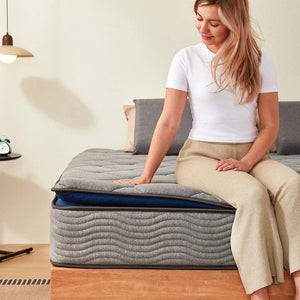
- Invest in a Supportive Mattress: A high-quality mattress, like a Newentor mattress, keeps your spine properly aligned and reduces tossing and turning.
- Add a Quality Mattress Topper: If you aren't ready for a new bed, an ergonomic mattress topper can instantly refresh your current setup and improve comfort.
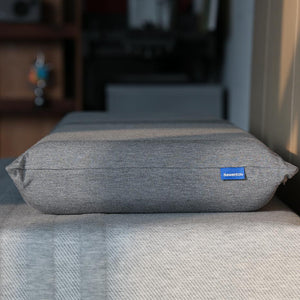
- Use Specialized Pillows: Ergonomic pillows provide targeted orthopedic support for your neck, ensuring better physical alignment all night long.
FAQs
1. Can you get too much deep sleep?
Generally, no. Your body is highly intelligent and self-regulating. If you are exhausted or recovering from illness, your brain will naturally stay in deep sleep longer to repair itself. However, if you are consistently getting over 3 hours of deep sleep and still feel tired, it might be worth speaking to a doctor.
Do fitness trackers accurately measure deep sleep?
Commercial smartwatches and fitness trackers are great for spotting general trends, but they aren't 100% accurate. They track your movement and heart rate to estimate your sleep stages, whereas a true medical sleep study measures actual brain waves.
Does alcohol help you get more deep sleep?
This is a huge myth! While a glass of wine might make you fall asleep faster, alcohol actually disrupts your sleep architecture. It acts as a sedative early on but dramatically reduces your deep sleep and REM sleep later in the night, leading to fragmented, low-quality rest.
How do I know if I am not getting enough deep sleep?
The biggest telltale sign is waking up feeling exhausted, groggy, or like you haven't slept at all, even if you spent 8 full hours in bed. Short-term signs include brain fog, difficulty concentrating, and mood swings. Long-term deprivation can lead to a weaker immune system and chronic fatigue.
Conclusion
Ultimately, achieving a perfectly restful night is a holistic journey. Pairing relaxing evening rituals, such as sipping a warm cup of caffeine-free sleep aid tea, with a high-quality sleep environment can make all the difference.
If you are ready to truly transform your nightly rest, upgrading to the premium Newentor bedding series offers the ideal blend of targeted orthopedic support and active cooling comfort. By prioritising your sleep habits and upgrading your bedding, you create the ultimate sanctuary to enjoy the deep, healing, and restorative sleep you deserve.




Leave a comment

765 views , 3 mins read