



First, what is white noise? It is a consistent, balanced sound frequency that masks erratic background noises disrupting your sleep cycle. Unlike loud music or podcasts, it has no sudden peaks to jolt your brain awake.
White Noise for Sleep: 6 Best Types for Adults & Babies
JUL 15, 2026
Last updated: JUL 22, 2026


254 views , 3 mins read
Tossing and turning because of traffic, neighbor chatter, or just late-night overthinking. It’s why so many people are skipping harsh sleep meds and turning to simple, natural fixes, with white noise for sleep topping the list.

Versatile and gentle, this practical sound therapy works wonders for both adults and fussy babies alike. Here is a quick breakdown of how white noise works, the best sounds to try, and easy habits to help you sleep effortlessly tonight.

In this article
Why White Noise Work Wonders for Your Rest
A study by SleepFoundation , confirms white noise improves sleep latency and reduces nighttime awakenings for people affected by disruptive environmental noise. It calms overactive brain activity and creates a steady, soothing audio blanket.
For light sleepers, white noise for sleep eliminates tiny distractions that cause frequent waking. It trains your brain to associate consistent soft sound with relaxation, building a reliable sleep trigger over time.
It also works amazingly for infants. Research from the Royal Institute of Medicine found 80% of newborns fell asleep faster with white noise, compared to just 25% of babies without it.
Finding a White Noise That Helps U Sleep
Different white noise sound for sleeping delivers unique calming effects for adults and newborns. Below are the most effective white noise types to match diverse sleep needs and scenarios.

1. Traditional Static (Continuous White Noise)
The classic, uniform "shhh" sound resembling a television or radio tuned to an empty frequency. This provides maximum auditory masking, easily drowning out sudden household noises or barking dogs for both sleeping infants and restless adults.
2. Gentle Rainfall (Nature Soundscapes)
The steady, rhythmic patter of light rain creates a soothing ambient blanket. While adults find it highly relaxing for quieting a busy mind, babies respond well to its soft, non-threatening cadence that mimics a peaceful outdoor environment.
3. Ocean Waves and Surf
The predictable, low-frequency rolling of ocean waves acts as a natural relaxant. For babies, the deeper tones can be deeply comforting, while for adults, the rhythmic rise and fall of the sound helps slow down heart rates and prepare the body for deep sleep.
4. Running Fan or Air Conditioner Hum
A real mechanical hum or a digital fan loop offers a consistent, low-pitch drone. This is one of the most common household sleep aids, loved by adults for its familiarity and highly recommended for nurseries to keep infants sleeping smoothly through sleep cycle transitions.
5. Womb-Like Sounds or Deep Pink Noise
Sounds that emphasize lower frequencies—similar to rushing waterfalls or heavy wind—closely resemble what a newborn hears inside the womb. Babies find this instantly secure, while adults often prefer it over higher-pitched white noise because it sounds softer and richer to the human ear.
6. Soft Aerodynamic Whirring (Purifiers and Humidifiers)
The gentle, clean sound of an air purifier or humidifier running in the background serves as excellent ambient white noise. It creates a subtle, calming barrier against outside disruptions without being overly loud or distracting for any age group.
Sleep Habits: Maximizing White Noise That Can Help You Sleep
Simple bedtime habits greatly boost the benefits of white noise for sleep. Play white noise sound for sleeping 15–30 minutes before bed at a steady 40–50 decibels, and keep it running all night to avoid disruptive silent gaps. Stick to one consistent track, pair the sound with dim lighting and no screen time to protect melatonin, and build a stable sleep routine.
Upgrade Your Whole Bedroom Environment for Better Sleep
White noise effectively blocks disruptive ambient sounds, but optimizing your bedroom environment delivers far better sleep quality. Pairing consistent white noise for sleep with supportive bedding eliminates both external distractions and physical discomfort.
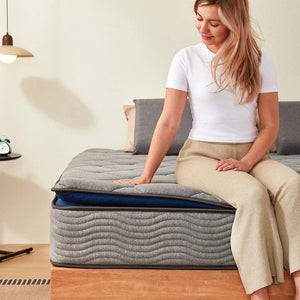
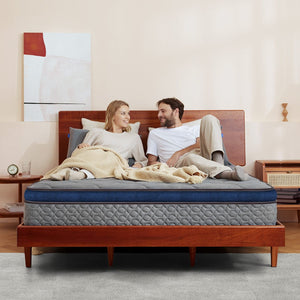
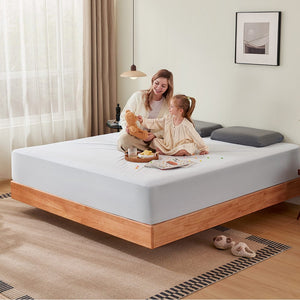
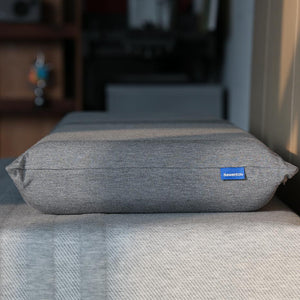
Newentor’s hybrid mattresses, plush mattress toppers, and ergonomic memory foam pillow relieve body soreness and pressure point buildup. Matching soothing white noise sound for sleeping with premium Newentor bedding creates a quiet, supportive sleep environment for truly deep, uninterrupted rest.


FAQs about White Noise for Sleep
1. What is the best white noise to sleep to?
The best white noise to sleep to really comes down to your personal preference and what type of environment helps you relax. Some people sleep best to traditional static because it blocks out loud city sounds, while others prefer the deeper rumble of brown noise or the soothing rhythm of rainfall.
2. Is it safe to use white noise for sleep every night?
Yes, using white noise every night is completely safe for both adults and babies, provided it is kept at a reasonable volume. Experts recommend keeping the sound level below 50 to 60 decibels (about the volume of a soft shower or conversational speech) and placing the sound machine a few feet away from the bed or crib.
3. What is the main difference between white noise and pink noise?
While white noise contains all audible frequencies across the sound spectrum in equal measure (sounding like crisp static), pink noise has deeper, richer lower frequencies. Pink noise sounds more like steady rainfall or rustling leaves, which many people find softer and more natural to listen to than standard white static.
4. Can I use my phone or a smart speaker instead of a dedicated machine?
Absolutely. There are countless free mobile apps, streaming playlists, and smart speaker skills dedicated to ambient sleep sounds. However, a standalone white noise machine is often preferred because it doesn't consume your phone's battery, won't be interrupted by sudden text notifications, and usually features high-quality speakers specifically tuned for continuous sound loops.
5. Does white noise actually cure sleep disorders like insomnia?
White noise is a highly effective tool for optimizing your sleep environment by masking disruptive background noises and calming a racing mind, but it is not a medical cure for chronic sleep disorders like insomnia or sleep apnea. If you experience long-term sleep difficulties, it is always best to consult a healthcare professional.
Conclusion
Ultimately, white noise is an easy, effective way to boost sleep quality. Pairing it with a relaxing ritual, like sipping caffeine-free tea, makes a massive difference.
However, if you want to truly transform your nights, choosing to upgrade your bedding with the premium Newentor series is the better choice. Switching to an ergonomic pillow that supports your neck curve, or adding a mattress topper to fix an uneven, well-worn mattress, tackles discomfort at its root far better than sound alone.
Leave a comment

254 views , 3 mins read