



Painful neck stiffness usually happens when the muscles, ligaments, or joints in your neck become strained or misaligned.
How to Sleep with Cervical Neck Pain: 6 Effective Ways
JUN 22, 2026
Last updated: JUL 22, 2026


726 views , 4 mins read
Waking up tossing and turning with a tight, throbbing neck? It’s time to learn how to sleep with neck pain properly. BMC Musculoskeletal Disorders shows nearly 70% of adults suffer persistent neck pain, and 64% of cervical discomfort comes from bad sleeping habits.
No matter if you have daily cervical neck pain or sudden neck pain from sleeping wrong, optimizing your sleep position with neck pain brings fast, lasting relief without expensive treatments.


In this article
What Causes That Painful Neck Stiffness?
- Poor Posture ("Text Neck"): Spending hours looking down at a phone, slouching at a desk, or leaning toward a computer screen strains the muscles and ligaments in the neck.
- Sleeping Wrong: Sleeping in an awkward position or using a pillow that is too thick or too thin twists the cervical spine out of alignment. This forces the neck muscles to stay tense all night to protect the spine, leading to morning spasms.
- Sudden Movements or Strain: Quick, jerky movements, minor sports injuries, or carrying a heavy backpack over one shoulder can cause acute muscle strain.
- Stress and Tension: Stress often causes people to unconsciously tense their shoulders and neck muscles, restricting blood flow and causing soreness.
When the spine loses its neutral alignment, the surrounding muscles go into emergency overdrive to support the head, resulting in that tight, locked-up feeling.
How to Sleep with Neck Pain with 6 Simple Ways?
If you are struggling with how to sleep with cervical neck pain, your nightly habits and body alignment are the very first things you need to evaluate. Making a few intentional, simple adjustments tonight can mean waking up completely pain-free tomorrow. Here are 6 highly effective, therapist-approved ways to fix your sleep posture.

1. Prioritise Back Sleeping (The Ultimate Goal)
Sleeping flat on your back is universally considered the best sleep position with neck pain. When you lie on your back, your entire body weight is distributed evenly across the mattress, which significantly reduces targeted pressure points on your delicate cervical spine. This natural posture keeps your neck in a beautiful, neutral position. To make this even more relaxing, place a small, rounded rolled-up towel or a cylindrical pillow right under the curve of your neck, paired with a flat pillow to support your head.
2. Master the Side Sleeping Setup
If you simply cannot fall asleep on your back, side sleeping is a wonderful alternative—but only if you do it correctly. The primary goal here is to keep your head in a completely level position, looking straight ahead. If your pillow is too thick, your neck will bend upward awkwardly; if it's too thin, your neck drops uncomfortably toward the mattress. To stabilize your body, try placing a firm, supportive pillow between your knees. This keeps your hips and lower spine completely aligned, preventing your upper body from twisting while you sleep.
3. Stop Stomach Sleeping Immediately
If you truly want to know how to sleep with neck pain, the shortest, most honest answer is: you must stop sleeping on your stomach. Stomach sleeping forces you to turn your head entirely to one side for hours at a time so you can breathe. This creates massive, unnecessary twisting pressure on your delicate cervical joints and heavily strains the surrounding muscles. If you absolutely cannot sleep any other way, place a very flat pillow under your pelvis to reduce lower back strain, and try to sleep completely without a head pillow to keep your neck as flat as possible.
4. Keep Your Spine Neutral
No matter which approved sleep position with neck pain you prefer, maintaining a neutral spine is your golden rule. This simply means your ears, shoulders, and hips should line up perfectly in a straight line. If you feel your chin tilting down toward your chest, or your head bending backward, your spine is out of whack. Your muscles will have to work all night to fight this bad posture, resulting in that dreaded morning stiffness.
5. Apply Gentle Heat Before Bedtime
If your neck is already feeling tight and tender before you tuck yourself into bed, try applying a warm compress, heating pad, or taking a long, hot shower for 15 minutes before sleep. The heat increases blood circulation to the area, relaxes tight muscle fibers, and soothes painful spasms. This makes it significantly easier to relax into a comfortable position without tossing and turning for hours.
6. Do Gentle, Slow Stretches Before Sleep
Before your head hits the pillow, spend two minutes doing extremely gentle neck stretches. Slowly lower your right ear toward your right shoulder until you feel a comfortable pull, hold for 10 seconds, and switch sides. Follow this by slowly turning your head to the left and right. Never force your neck into a painful position; stretch only until you feel a gentle pull. This releases the tension accumulated from staring at screens all day, prepping your body for deep rest.
Choose the Right Pillow for Neck Pain
Your pillow is essentially the physical bridge between your mattress and your head. If that bridge is poorly constructed or worn out, your neck pays a heavy price.
Using a properly supportive, ergonomic pillow significantly reduces craniocervical pain and dramatically improves overall sleep quality compared to standard pillows.

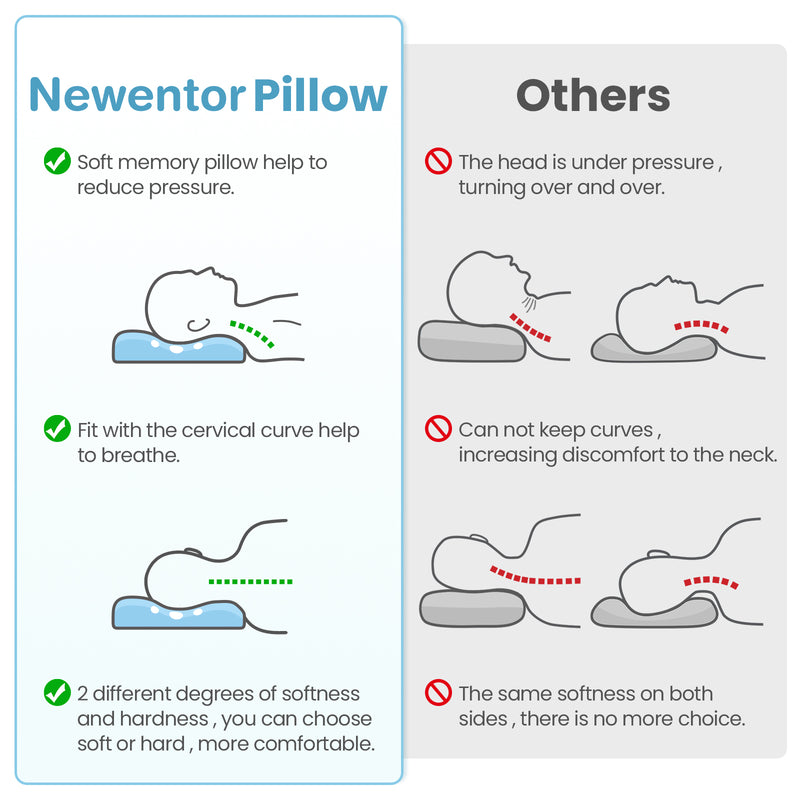
At the same time, the pillow material type is crucial. Compared to down or latex pillows, memory foam is the superior choice for neck support.
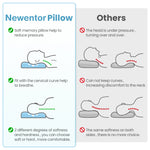
While down pillows flatten completely during the night and latex can be too bouncy, high-density memory foam responds to your heat and weight. It molds precisely to your neck, eliminating pressure spots.
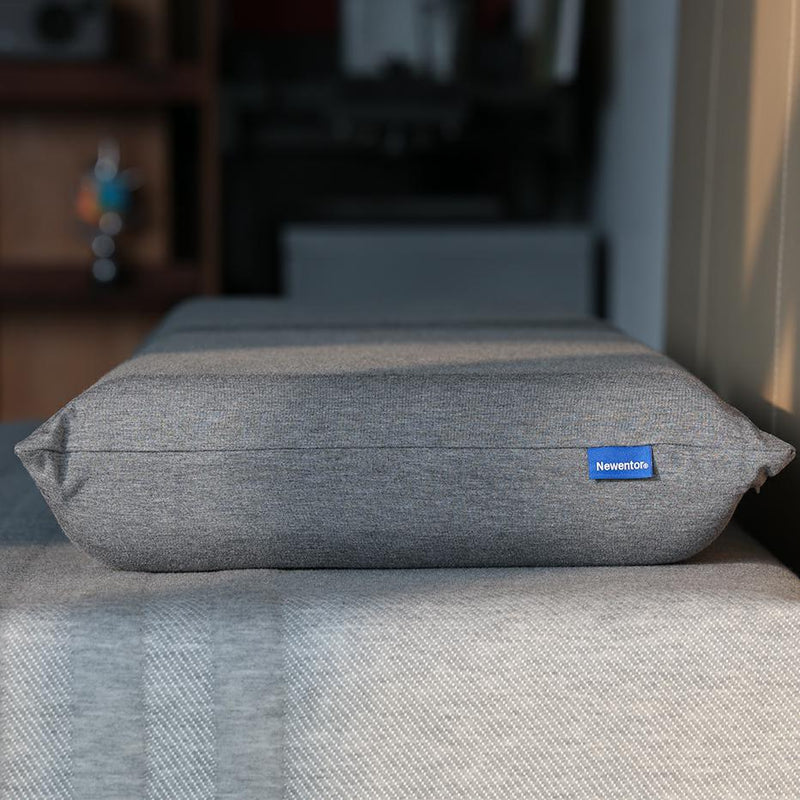
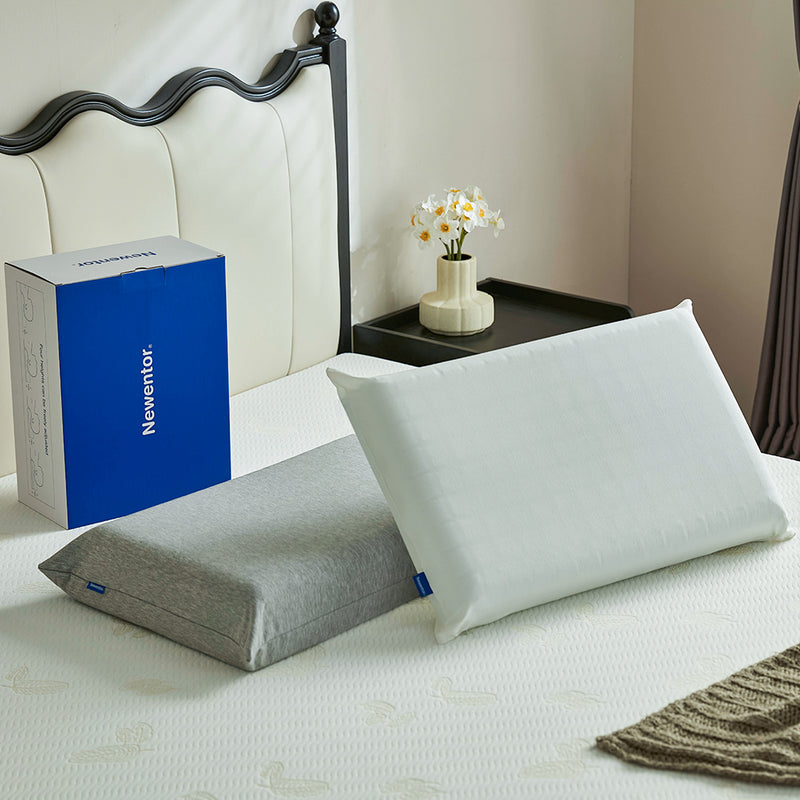
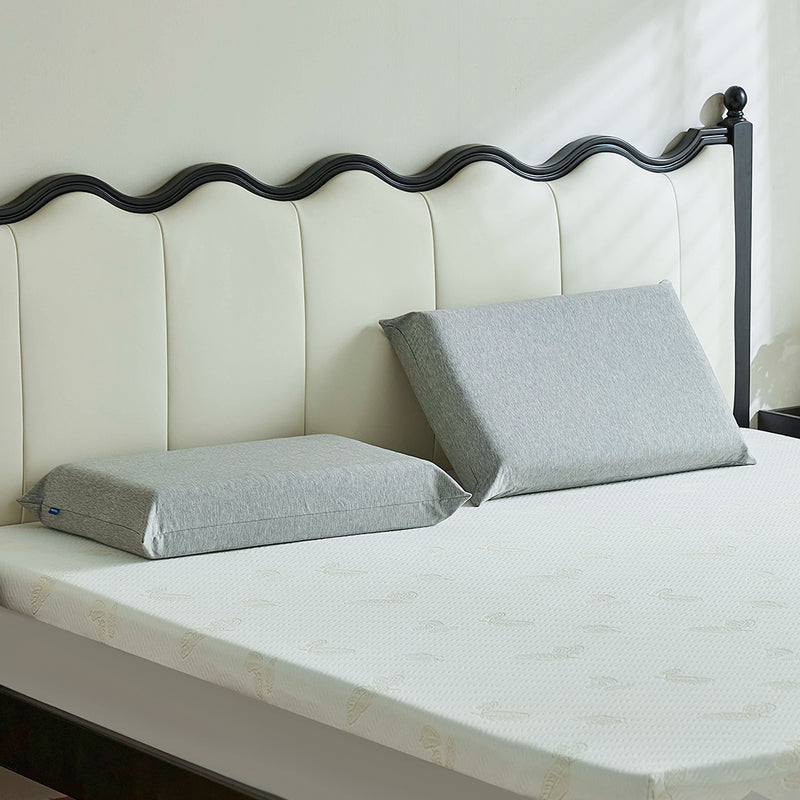
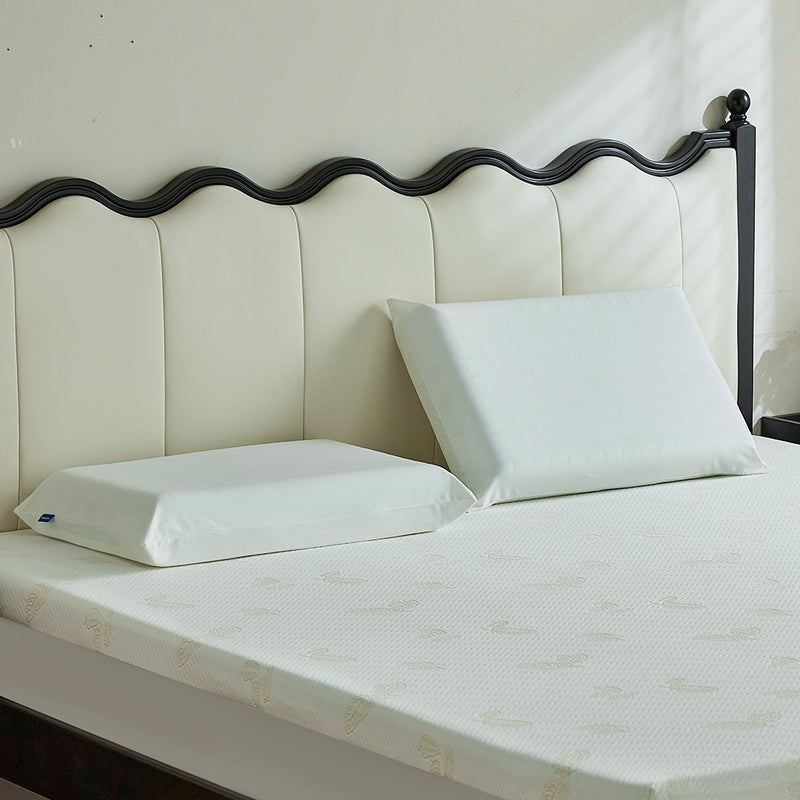
Combining this contouring memory foam with the customizable layers of the Newentor adjustable height memory foam pillow gives you the best of both worlds—personalized height and stable, therapeutic support to prevent morning stiffness.

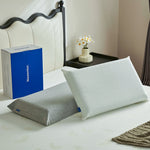




Newentor Memory Foam Pillow
$91.00
$140.00
Save
$49.00
In stock, delivery in 3-5 days
- Sponsored Pillow for Five-Star Hotels.
- Adjustable Support for Healthy Neck Alignment.
- Four Adjustable Heights.
- Machine Cutting Pieces to Sleep Dry and Cool.
- 120 Night Free Trial & 10 Years Warranty.
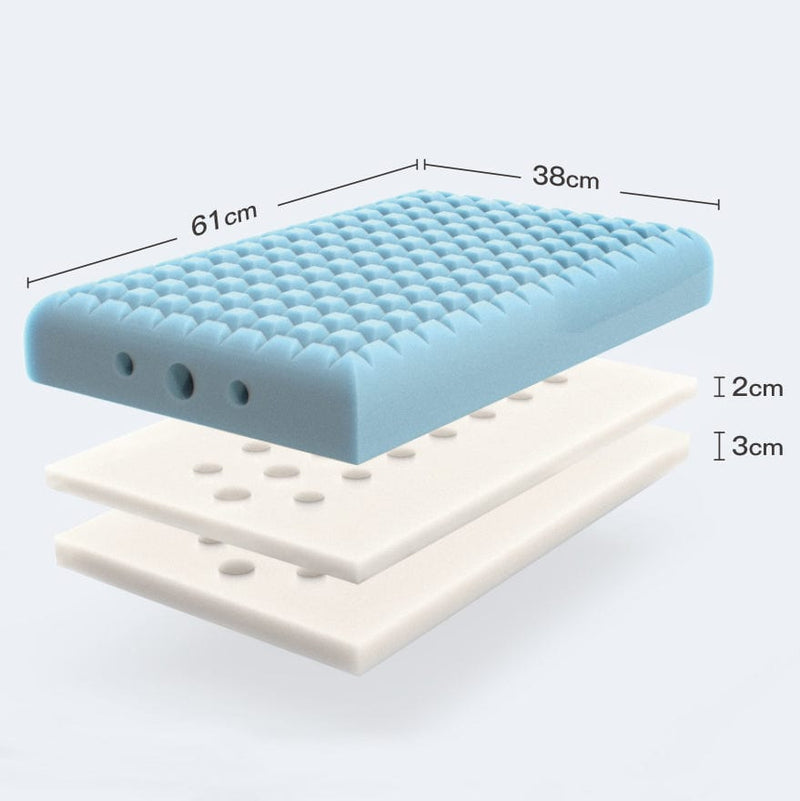
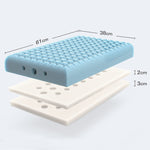
Unlike generic fixed-loft pillows that force your spine into unnatural curves, it comes with two removable foam inserts (2cm and 3cm), letting you build four customizable heights to match back, side or gentle stomach sleepers’ unique shoulder widths.
Side sleepers with broad shoulders can stack both layers for full gap filling between ear and mattress, while back sleepers remove extra pads to maintain the neck’s natural C-curve and avoid morning neck pain from sleeping wrong.
What to Avoid:
- Stacking two or more cheap pillows under your head is a major recipe for disaster. This forces your neck into an unnatural forward bend, which unfortunately mimics the bad posture of staring down at a smartphone all day, pulling your muscles painfully out of alignment.
FAQs about How to Sleep with Cervical Neck Pain
Q1: What is the best sleep position with neck pain if I’m a side sleeper?
Side sleeping is safe for cervical discomfort as long as you fix spinal misalignment. Match your pillow height to your shoulder width to keep your head level with your torso—this stops sideways neck twisting that causes neck pain from sleeping wrong.
Slide a medium pillow between your knees to prevent hip rotation, which indirectly pulls tension into your neck overnight. Pair this setup with an adjustable contour pillow like the Newentor model for consistent cervical curve support.
Q2: Can stomach sleep ever be okay for someone with mild neck stiffness?
No. Prone sleeping forces your neck to twist 45–60 degrees for hours, pinching cervical joints and stretching neck ligaments. Even mild daily stiffness will worsen with regular stomach rest. If you can’t break the habit, use body pillows to block face-down positioning and retrain yourself to sleep on your back or side while learning how to sleep with neck pain.
Q3: How long does it take for a new supportive pillow to ease cervical neck pain?
Most users notice lighter morning tightness within 3–7 nights. The Newentor adjustable height pillow delivers faster relief than generic pillows because you can tweak loft and firmness instantly to fit your sleep style. Full reduction in persistent ache usually arrives after 2–3 weeks once your cervical spine readjusts to neutral, strain-free alignment all night long.
Q4: Why do I wake up with neck pain even after fixing my sleep position with neck pain?
Two common overlooked triggers: pre-sleep muscle tension and poor pillow support. Hours of hunching over phones or laptops locks trapezius muscles before bed, and flat, collapsing standard pillows leave your neck suspended without cushioning. Add a 10-minute warm towel compress before bed and swap your old pillow for an adjustable ergonomic option to eliminate recurring soreness. Cold bedroom air can also constrict neck blood flow—keep your neck lightly covered overnight.
Q5: Is back sleeping always the top choice to learn how to sleep with neck pain?
Yes, orthopedic specialists rank supine rest as the gold standard. Lying flat on your back removes compressive force from cervical discs and lets your spine rest in its natural neutral curve. Slide a thin rolled towel under the hollow of your neck (not just your head) for extra hold, and place a small pillow under your knees to decompress your full spine and reduce secondary neck tension.
Q6: Are memory foam pillows better than down pillows for chronic cervical neck pain?
Shredded gel memory foam contour pillows outperform fluffy down or cotton alternatives. Regular down pillows flatten mid-night, removing all targeted neck support. Certified memory foam pillows hold the spine’s C-curve all night, and 68% of rehab trial participants reported less morning stiffness after switching to structured foam neck pillows.
Q7: When should I see a doctor instead of adjusting how I sleep with neck pain?
Schedule a spine specialist visit if you experience shooting arm numbness, persistent pain lasting over two weeks, headaches triggered overnight, or neck pain that does not improve after optimizing sleep position and upgrading your supportive pillow. These symptoms may signal disc issues that require professional cervical treatment beyond sleep routine tweaks.
Leave a comment

726 views , 4 mins read