



Let's start with some numbers, because honestly, they might make you feel less alone.
ADHD and Sleep: 8 Simple Tips for Better Nightly Rest
AUG 12, 2026
Last updated: AUG 13, 2026


593 views, 3 mins read
It‘s 2 AM. Your body is exhausted, but your brain is hosting a rave—replaying awkward conversations, planning tomorrow’s grocery list, and suddenly remembering you forgot to reply to that email. If this sounds familiar, you're not broken.

You're dealing with one of the most frustrating parts of ADHD and sleep: the bedtime brain marathon. In this article, we'll break down why ADHD and sleep issues are so common, what's happening in your brain, and—most importantly—what you can actually do about it.

In this article
What Exactly Is ASMR and How Does It Work for Sleep?
A large study published by CHADD involving 3,691 adults with ADHD found that about 60% screened positive for some type of sleep disorder. The most common issues were delayed sleep onset (36%), insomnia (31%), and restless legs syndrome (29%). Up to 80% of adults with ADHD experience ongoing sleep challenges overall.
For kids, the numbers are even higher. A 2025 study on pediatric sleep disorders of 629 children with ADHD found that 70% had a diagnosed sleep disorder. The most common were insomnia (40.2%), parasomnias like sleepwalking (27.8%), obstructive sleep apnea (23.4%), restless legs syndrome (10.5%), and delayed sleep–wake phase disorder (4.8%).
Insomnia rates alone in ADHD adults range from 30% to 50% — compared to just 10–15% in the general population. Some studies put the number even higher, between 43% and 80%.
If you're lying awake right now wondering why sleep feels impossible, it's not a personal failure — it's a well-documented part of having ADHD.
Why Does ADHD Make Sleep So Hard?
So what's actually going on upstairs? Here are the main reasons why ADHD and sleep disorders go hand in hand.
1. Your internal clock is running late.
Many people with ADHD have a delayed circadian rhythm — meaning your body's natural sleep-wake cycle is shifted later than most people's. Up to 78% of adults with ADHD have this delayed rhythm, which is characteristic of Delayed Sleep Phase Syndrome (DSPS).
Essentially, your body thinks midnight is 9 PM. This isn't about willpower — it's biology. People with ADHD may have differences in melatonin production, so the “time to sleep” signal shows up much later in the evening.

2. Your brain won't stop racing.
Racing thoughts, hyperfocus, and anxiety are part of the ADHD package. When you lie down with no external stimulation, your under-stimulated brain suddenly has all the space in the world to wander — and it takes full advantage. This is why so many people with ADHD and sleep problems describe bedtime as “the loudest part of their day.”
3. Your medication might be backfiring.
Stimulant medications can interfere with sleep. In clinical trials, insomnia occurred in 40–45% of people taking certain amphetamine salts and 10–19% taking lisdexamfetamine. It's a tricky balance — you need the meds to function during the day, but they can make it harder to wind down at night.
4. It's a vicious cycle.
The relationship between ADHD and sleep isn't one-directional. Poor sleep makes ADHD symptoms worse — more inattention, worse emotional regulation, more impulsivity. And ADHD symptoms (like evening hyperactivity) make it harder to fall asleep. It feeds on itself.
Common Sleep Disorders Linked to ADHD
Not all sleep issues are the same. Here are the most common ones that show up alongside ADHD:

- Delayed Sleep Phase Syndrome (DSPS): Your internal clock runs 2–3 hours later than normal. You naturally want to fall asleep around 1–3 AM and wake up around 9–11 AM.
- Insomnia: Difficulty falling asleep, staying asleep, or waking up too early. Prevalence in ADHD adults ranges from 30% to 50% — or even higher in some studies.
- Restless Legs Syndrome (RLS) / Periodic Limb Movement Disorder (PLMD): Uncomfortable sensations in the legs that create an urge to move them, especially at night.
- Obstructive Sleep Apnea (OSA): Breathing repeatedly stops and starts during sleep. About 20–30% of adults with ADHD may also have OSA.
- Parasomnias: Sleepwalking, night terrors, and other abnormal behaviors during sleep.
8 Top Tips Helps with ADHD for Better Sleep
1. Upgrade your sleep surface — it matters more than you think.
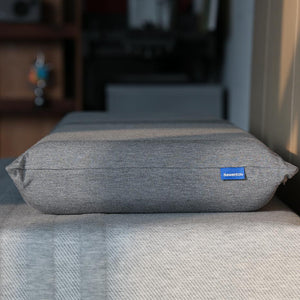
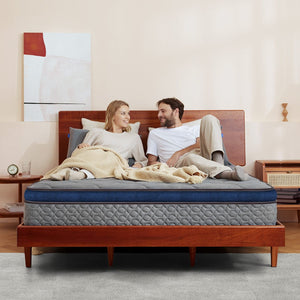
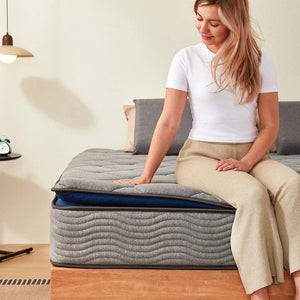
Your mattress and pillow matter as much as your bedtime routine. You spend a third of your life in bed — if your setup is off, your body fights it all night. For people with ADHD and sleep issues, that physical discomfort is another reason you're awake.
Newentor makes this easy. Their hybrid mattress uses a 7‑zone spring system with cooling gel memory foam — it supports your spine, relieves pressure, and keeps you from overheating. On a budget? The memory foam mattress topper upgrades any old mattress with cloud‑like comfort and firm support. And the adjustable pillow lets you choose your perfect height for proper neck alignment.
All are CertiPUR‑US and OEKO‑TEX certified. Plus, a 120‑night trial means you can test risk‑free. A better bed won't cure ADHD, but it removes one more barrier between you and restful sleep.




2. Morning light, not just evening routines.
Most sleep advice focuses on what to do before bed. But for people with ADHD and sleep issues, the morning matters just as much. Getting bright light exposure first thing in the morning helps reset your delayed circadian rhythm. Open the curtains, go outside for 15 minutes, or try a dawn simulation lamp.
3. Consistency beats perfection.
Going to bed and waking up at the same time every day — including weekends — is one of the most effective things you can do. Yes, it's boring. Yes, it's hard with ADHD. But it works because it trains your internal clock. Start small. Pick one wake-up time and stick to it for a week.
4. Create a wind-down buffer.
You can't go from 100 to 0 in five minutes. Schedule 30–60 minutes of low-stimulation activity before bed. Read a physical book (not a screen), do gentle stretches, listen to calming music. And crucially: put the phone away at least an hour before bed. Blue light suppresses melatonin and keeps your brain alert.
5. Move your body during the day.
Regular exercise improves sleep quality for people with ADHD. The key is timing — exercise too close to bedtime and it can keep you wired. Aim to finish moderate or vigorous exercise at least a few hours before bed.
6. Consider a weighted blanket.
Deep pressure stimulation from a weighted blanket can calm the nervous system and reduce restlessness. A 16-week study found that parent-reported sleep problems and child-reported insomnia severity decreased significantly in children with ADHD who used weighted blankets.

7. Talk to your doctor about melatonin.
For delayed sleep phase, melatonin — taken a few hours before bedtime — can help shift your circadian rhythm earlier. One study found that melatonin-only treatment reduced ADHD symptoms by 14% in addition to improving sleep. But don't DIY this — work with a healthcare provider on timing and dosage. Melatonin is a hormone, not a harmless supplement.

8. Try CBT-I (Cognitive Behavioral Therapy for Insomnia).
CBT-I is a structured, evidence-based approach that helps change the thoughts and behaviours that keep you awake. Studies have shown significant short-term effectiveness of CBT-I in people with ADHD. It's particularly helpful because it addresses the anxiety and racing thoughts that often come up at bedtime.
FAQs about ADHD and Sleep
1. Do people with ADHD need more sleep than everyone else?
No. People with ADHD generally need the same 7 to 9 hours of sleep per night as everyone else. The official recommendation is 7 to 9 hours for adults, regardless of ADHD status.
The problem isn't needing more sleep — it's getting quality sleep. When your sleep is fragmented, shallow, and delayed, even 8 hours can feel like 4. People with ADHD often spend more time in lighter sleep stages and less time in restorative deep sleep. So it's not about extra hours; it's about making the hours you get actually count.
2. Is it normal for ADHD to make me feel tired all day but wired at night?
This is extremely common for those with ADHD and sleep struggles. A delayed circadian rhythm means your brain releases melatonin much later than neurotypical peers, leaving you exhausted during the day but alert when it’s time for bed. This cycle reinforces sleep issues and ADHD symptoms, breaking it requires gradual adjustments to your internal clock.
3. When should I see a professional about ADHD and sleep problems?
If self-help strategies (like consistent sleep hygiene) don’t improve your sleep after 2-3 weeks, or if you suspect underlying sleep disorders (like sleep apnea), consult a specialist. They can screen for conditions, review your medication, and recommend targeted treatments like light therapy or behavioral coaching.
Bottom Lines
Improving adhd and sleep takes consistent, simple steps. Small tweaks—like morning sunlight, an early caffeine cutoff, and white noise—can make a big difference.
Upgrading your bed environment helps, too. A supportive Newentor mattress reduces tossing, a Newentor pillow aligns your neck, and a Newentor weighted blanket calms an overactive nervous system.
Together, these changes soothe your body and build a steady rhythm. If severe issues persist, consult a doctor. With proper setup, you can finally quiet your mind and rest.
Leave a comment

593 views, 3 mins read