



Light isn't just about seeing—it's a signal. Your brain has a built-in clock called the circadian rhythm, and it responds strongly to different wavelengths of light. When daylight fades, your pineal gland starts releasing melatonin, the hormone that makes you sleepy. But not all colors affect this process equally.
Best Color Light for Sleep: 6 Shades for Deep Rest
AUG 21, 2026
Last updated: AUG 22, 2026


873 views, 3 mins read
Struggling to fall asleep even when you're exhausted? The best color light for sleep might be the missing piece. Your body reads light as a signal to stay alert or wind down, so the wrong bedside glow can quietly sabotage your rest.

This guide breaks down which colors help you relax, which ones to avoid, and how to set up your bedroom for deeper sleep. No complicated jargon—just practical, science-backed tips you can use tonight.

In this article
1. How Different Light Colors Impact Your Quality of Rest?
2. 6 Best Color Light for a More Peaceful Night's Sleep
3. What Color Light Should You Avoid at Night?
4. How to Use Red Light for Better Sleep (Practical Tips)
5. How to Optimise Your Bedroom Setup for Deeper Sleep?
6. FAQs about Best Color Light for Sleep
How Different Light Colors Impact Your Quality of Rest
Blue light, which sits at the short-wavelength end of the spectrum, tells your brain it's still daytime. According to Harvard Health Publishing, blue light suppresses melatonin about twice as long as green light and shifts circadian rhythms by twice as much. That's why a bright white or cool-toned bulb at 10 p.m. can leave you wired.
On the other hand, red and amber wavelengths are longer and gentler. They don't trigger the same “wake up” response in the brain. This is why many sleep researchers suggest using warm, dim light in the evening if you want to protect your natural melatonin production.
So when people ask what colour light is best for sleeping, the answer usually falls on the warm end of the spectrum—reds, ambers, and soft oranges. The goal is to minimize the blue-heavy light your brain interprets as morning.
6 Best Color Light for a More Peaceful Night's Sleep
If you're searching for the best colour light for sleep, the six options below give you a practical starting point.
1. Red Light
Red is widely considered the best color light for sleep because it has the least impact on melatonin. A 2012 study in the Journal of Athletic Training found that red light therapy helped basketball players improve sleep quality and melatonin levels. At home, a dim red bedside lamp can work as a nightlight without jolting your brain awake.

2. Amber or Orange Light
Amber light blocks much of the blue spectrum, making it a practical choice for evening reading lamps. It still gives you enough visibility to move around, but it's far less disruptive than white light. Many sleep-friendly bulbs are marketed as “amber” or “low blue light” for exactly this reason.

3. Warm White Light Under 2700K
If red feels too dark for you, warm white is a solid compromise. Look for bulbs labeled 2200K to 2700K. They give off a soft, candle-like glow rather than the harsh blue-white of daylight LEDs. The key is keeping the brightness low after sunset.
4. Soft Yellow Light
Soft yellow light sits close to warm white on the color temperature scale. It creates a cozy, relaxing mood and doesn't have the stimulating effect of cool white or daylight bulbs. Many people find it easier to wind down in a room lit with soft yellow than in a bright, neutral white space.
5. Pink or Rose Light
Pink light is a mix of red and white wavelengths, so it's not as ideal as pure red, but it's still gentler than blue or green. Some sleep masks and sunrise alarms include a pink or rose setting for a soothing transition. It's a decent option if you want something less intense than deep red.

6. Dim Orange-Red Sunset Tones
Some smart bulbs now offer a “sunset” mode that shifts from warm orange to deep red as you get closer to bedtime. This mimics the natural fading of daylight and helps your body prepare for sleep. The best coloured light for sleep often mimics dusk, not a bright midday sky.
What Color Light Should You Avoid at Night?

1. Blue Light
Blue light is the biggest sleep disruptor. It's emitted by phones, tablets, laptops, and many standard LED bulbs. Harvard researchers note that blue light suppresses melatonin for about twice as long as green light. If you must use screens in the evening, switch to night mode or wear blue-light-blocking glasses.
2. Cool White and Daylight Bulbs
Bulbs labeled “daylight” or “cool white” usually have a color temperature above 4000K. They contain a heavy dose of blue wavelengths and can make you feel alert at the wrong time. Save these for your office or kitchen, not your bedroom.
3. Green Light
Green light is interesting—it's less disruptive than blue but more disruptive than red. Some studies suggest green light can still suppress melatonin to some degree, so it's not the best color of light for sleeping. If you have a choice, stick with red or amber for nighttime lighting.
4. Bright Overhead Lighting
Even warm-colored light can work against you if it's too bright. Dimness matters. Keep evening light low and indirect rather than flooding the room with a ceiling fixture.
How to Optimise Your Bedroom Setup for Deeper Sleep?
1. Choose Adjustable Smart Bulbs
Smart bulbs let you switch from cool white during the day to warm amber or red at night. Set a schedule so the change happens automatically around sunset. This removes the need to remember which bulb to use, letting you focus on winding down instead.
2. Position Lamps Below Eye Level
Light placed at or below eye level feels softer and reduces glare. Table lamps with warm bulbs are usually better than overhead fixtures for pre-sleep lighting. The goal is a calm, cave-like atmosphere that gently guides you toward rest.

3. Use Blackout Curtains to Control Outside Light
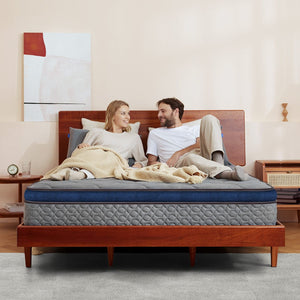
Streetlights and early-morning sun can leak through blinds and disrupt melatonin. Blackout curtains help you create true darkness when it's time to sleep. Combined with the right indoor light colors, they give your brain a clear sleep signal—so you can settle into your Newentor mattress without distractions.
4. Add a Red or Amber Nightlight
If you need visibility at night, choose a plug-in red or amber nightlight. Place it in the hallway or bathroom rather than directly next to your head. This small change supports the best color light for sleep without leaving you in total darkness, making it easier to get back to sleep quickly.
5. Keep the Bedroom Cool and Quiet
Light isn't the only factor, but it works best alongside other good sleep habits. A cool room, comfortable bedding, and low noise levels make it easier for your body to stay asleep once your light environment is right.
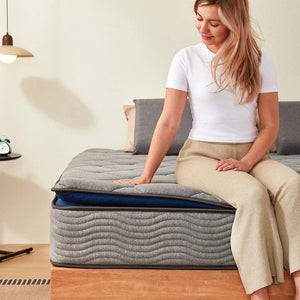
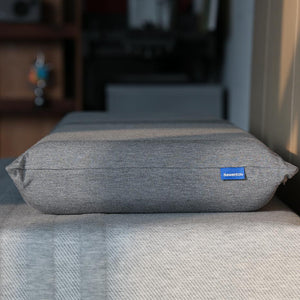
A supportive Newentor mattress paired with a breathable mattress topper and a properly aligned pillow can further enhance your comfort, so even subtle light cues work more effectively. When your sleep surface feels right, the calming effect of red or amber light becomes even more noticeable.


FAQs about Best Color Light for Sleep
1. What is the best color light for sleep?
Red light is generally considered the best color light for sleep because it has the smallest effect on melatonin production. Amber and warm white are also good choices if red feels too dim for your routine.
2. What colour light is best for sleeping if I like to read before bed?
A warm amber or soft red reading light works well. Keep the bulb dim and position it so the light points at your book, not directly into your eyes. This lets you read without waking up your brain.
3. Can green light help you sleep?
Green light is less harmful than blue light, but it's not as sleep-friendly as red. Some research shows green can still affect melatonin to a degree. For the best coloured light for sleep, stick with red, amber, or very warm white.
4. Do colour-changing bulbs really help?
Yes, if you use them consistently. Set them to shift from warm white in the evening to red or amber closer to bedtime. Automating the change makes it easier to protect your melatonin on busy nights.
5. Do I need total darkness instead of colored light?
Total darkness is ideal for sleep, but a dim red or amber nightlight is a practical compromise. The key is avoiding bright blue or white light when you need to get up or wind down.
Bottom Lines
So, what's the takeaway? The best color light for sleep is red or warm amber—it's gentle on melatonin and helps your brain switch to rest mode. Pair that soft glow with a cozy setup, like a Newentor mattress and pillow that support your body, and falling asleep gets easier. You don't need a perfect room, just these small tweaks.
Leave a comment

873 views, 3 mins read