



At their core, sleep disorders are medical conditions that change the way you sleep, impacting your overall physical health, safety, and daily quality of life. They go far beyond having one bad night after a busy day. These conditions make it difficult to fall asleep, stay asleep, or wake up feeling refreshed on a regular basis.
Beat Sleep Disorders: 10 Types & Real Treatment Options
AUG 14, 2026
Last updated: AUG 15, 2026


3162 views, 4 mins read
Tossing and turning at 2 a.m., staring at the ceiling, wondering why you can't just sleep? You're not alone. Sleep disorders affect millions of people, and they go way beyond just feeling tired the next day. If you regularly struggle to fall asleep, stay asleep, or wake up feeling exhausted, this guide is for you.

We'll break down what sleep disorders actually are, walk you through the most common types, help you spot the warning signs, and share practical ways to treat them—including simple changes you can make in your own bedroom tonight.
No medical jargon, just real talk about getting your rest back.

In this article
What is Sleep Disorders?
When your body lacks proper rest, every part of your waking life suffers. According to medical data from the Cleveland Clinic, ongoing sleep problems directly affect your physical health, mental focus, emotional balance, and energy levels. Understanding how these disruptions work is the essential first step toward reclaiming healthy, restorative sleep.
10 Common Types of Sleep Disorders & Effective Sleep Disorder Treatment
Understanding what happens inside your brain and body during sleep makes finding the right solution much easier. Here is a closer look at the 10 most common sleep issues and how medical professionals treat them.
1. Insomnia (The Overactive Mind)
When discussing sleep disorders and insomnia, it helps to know that insomnia is not just "having a bad night." It happens when your brain's alarm system stays stuck in hyper-arousal mode, making it impossible to switch off.
What it feels like: You stare at the ceiling for hours, or wake up at 3:00 AM with racing thoughts, feeling completely exhausted the next day.
Effective Sleep Disorder Treatment:
- Cognitive Behavioral Therapy for Insomnia (CBT-I): The gold standard treatment that rewires negative thoughts about sleep.
- Stimulus Control: Using your bed only for sleep so your brain associates the mattress with immediate rest.

2. Obstructive Sleep Apnea (The Airway Blockage)
Sleep apnea occurs when the muscles in the back of your throat relax too much, physically closing off your airway while you sleep. Your brain has to briefly wake you up to gasp for air—sometimes hundreds of times a night without you realizing it.
What it feels like: Loud snoring, waking up gasping for air, persistent morning headaches, and extreme daytime sleepiness.
Effective Sleep Disorder Treatment:
- CPAP Machine: Sends a gentle, steady stream of air pressure through a mask to keep your airway open all night.
- Oral Appliances: Custom mouthguards fitted by a dentist that nudge your lower jaw forward to keep breathing clear.

3. Restless Legs Syndrome (The Nighttime Tingling)
Restless Legs Syndrome (RLS) is a neurological condition closely tied to how your brain handles dopamine and iron. It creates an uncomfortable creeping or crawling sensation in the legs that gets worse when resting.
What it feels like: An intense, irresistible urge to move your legs the moment you lie down, which only stops when you get up and walk around.
Effective Sleep Disorder Treatment:
- Nutritional Support: Checking iron levels (ferritin) with a doctor and taking supplements if needed.
- Lifestyle Fixes: Warm evening baths, compression boots, and regular stretching before bed.

4. Parasomnias Sleep Disorders (The Sleep Glitches)
The category of parasomnias sleep disorders acts like a glitch in the brain's sleep stages. Instead of smoothly transitioning between light sleep, deep sleep, and waking, parts of your brain wake up while other parts remain asleep.
What it feels like: Unwanted behaviors during rest, such as sleepwalking, talking loudly in your sleep, or waking up screaming from night terrors.
Effective Sleep Disorder Treatment:
- Safety Proofing: Removing tripping hazards and placing locks on doors or windows to protect sleepwalkers.
- Scheduled Awakenings: Waking the person 15 minutes before their usual sleepwalking episode to reset their sleep cycle.
5. Rapid Eye Movement REM Sleep
Behavior Disorder (Acting Out Dreams)
During normal REM (dreaming) sleep, your brain turns off muscle movement so you stay safe and still. With rapid eye movement rem sleep behavior disorder, that temporary muscle paralysis fails to work properly.
What it feels like: Physically acting out vivid, intense dreams by shouting, punching, kicking, or jumping out of bed.
Effective Sleep Disorder Treatment:
- Bedroom Safeguards: Moving sharp furniture away from the bed, padding floor areas, or placing the mattress directly on the floor.
- Targeted Medication: Low-dose treatments prescribed by a neurologist to restore temporary muscle paralysis during dreams.

6. Narcolepsy (The Sudden Sleep Attack)
Narcolepsy happens when the brain loses the cells that produce hypocretin—a key chemical responsible for controlling wakefulness. As a result, the boundary between awake and asleep becomes blurred.
What it feels like: Overwhelming sleepiness during the day, sudden loss of muscle control triggered by laughter or surprise (cataplexy), and falling asleep mid-conversation.
Effective Sleep Disorder Treatment:
- Medical Management: Prescribed wakefulness-promoting medications to keep neurochemicals balanced.
- Strategic Napping: Scheduling short 15- to 20-minute power naps throughout the day to manage fatigue.

7. Delayed Sleep Phase Syndrome (The Late Night Clock)
This is a circadian rhythm disorder where your internal clock runs 2 to 4 hours behind a standard schedule. It is especially common in teenagers and young adults.
What it feels like: Feeling fully awake and energized past midnight, making early morning alarms feel physically impossible to handle.
Effective Sleep Disorder Treatment:
- Light Therapy: Using a 10,000-lux light box for 20 minutes right after waking up to shift your biological clock earlier.
- Chronotherapy: Gradually shifting your bedtime 15 minutes earlier every few days under expert guidance.
8. Shift Work Sleep Disorder (The Schedule Clash)
Working overnight or rotating shifts forces your body to sleep when daylight tells your brain it should be awake. This constant conflict suppresses melatonin production.
What it feels like: Feeling chronically exhausted at work, but tossing and turning when trying to sleep during the bright daytime hours.
Effective Sleep Disorder Treatment:
- Light Control: Wearing dark sunglasses on your drive home from night shifts and using thick blackout curtains at home.
- Timed Sleep Windows: Maintaining a rigid, quiet daytime sleep window with eye masks and white noise machines.
9. Jet Lag Disorder (The Zone Mismatch)
Jet lag occurs when rapid travel across multiple time zones leaves your internal biological clock out of sync with local environmental time.
What it feels like: Daytime sluggishness, stomach issues, and lying awake at night in a new city or country.
Effective Sleep Disorder Treatment:
- Pre-Trip Adjustments: Shifting your meal and sleep schedule toward your target destination's time zone 3 days before flying.
- Strategic Sun Exposure: Soaking in natural morning sunlight at your destination to signal your brain that it is time to be awake.

10. Catathrenia (Sleep-Related Groaning)
Catathrenia is a rare breathing-related sleep phenomenon. Unlike snoring (which happens when inhaling), catathrenia involves holding the breath and releasing a slow, loud groan while exhaling during deep sleep.
What it feels like: The sleeper rarely notices it, but bed partners report loud, drawn-out humming or groaning sounds throughout the night.
Effective Sleep Disorder Treatment:
- Sleep Evaluation: Visiting a doctor to check if the groaning is linked to underlying airway resistance.
- CPAP or Custom Appliances: Continuous positive airway pressure often resolves the breathing patterns completely.
Recognizing the Signs and Symptoms
Recognizing sleep issues early prevents long-term health complications. Common nighttime signs include taking over thirty minutes to drift off, waking up frequently, or experiencing sudden gasping during sleep.
Daytime symptoms are equally important indicators. Experiencing constant morning headaches, irritability, difficulty staying focused at work, or feeling drowsy while driving clearly show that your sleep quality needs attention.
Upgrade Your Bedroom Sleep Environment for Better Sleep
Creating a serene sleep environment helps your brain recognize when it is time to rest. Simple upgrades to your physical space can yield dramatic results:
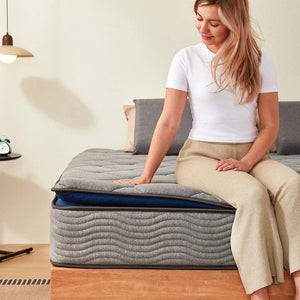
- Invest in a Supportive Mattress: Choose a mattress that aligns your spine properly, such as a pressure-relieving foam or hybrid model.
- Add a Weighted Blanket: A cozy weighted blanket offers gentle deep-touch pressure that lowers stress hormones and calms an overactive nervous system.
- Control Light and Noise: Install blackout curtains to block ambient light and use a white noise machine to drown out disruptive background sounds.
- Optimize Room Temperature: Keep your bedroom cool, ideally around 60 to 67 degrees Fahrenheit (15 to 19 degrees Celsius), to promote deeper sleep.
FAQs about Sleep Disorders
1. How do I know if I have a sleep disorder or just a bad habit?
If your sleep problems occur at least three nights a week for over three months and interfere with your daily life, it is likely a sleep disorder rather than a temporary bad habit.
2. Can stress alone cause severe sleep disruptions?
Yes, high stress triggers cortisol production, which keeps your brain alert. Managing stress through relaxation routines before bed is crucial for healthy sleep.
3. When should I consult a healthcare professional?
You should visit a doctor if sleep issues persist for several weeks, cause extreme daytime exhaustion, or if you gasp for air while sleeping.
Bottom Lines
Living with ongoing sleep disorders can feel overwhelming, but chronic exhaustion does not have to be your normal. Identifying symptoms early, building healthy habits, and seeking medical guidance can transform your sleep quality dramatically.
Creating a restful environment is key—and upgrading your sleep setup with supportive, high-quality mattresses and toppers from Newentor can make a world of difference for your nightly comfort.




Leave a comment

3162 views, 4 mins read