



Let’s start with the basics: your spine has a natural “S” curve, and when you sleep, your position either supports that curve or messes it up. According to a systematic review published in PubMed, sleeping positions directly impact lower back pain (LBP)—with poor alignment increasing strain on your muscles and joints, and proper alignment reducing pain and promoting healing.
Best Sleeping Position for Lower Back Pain: A Guide to Pain Relief
APR 17, 2026
Last updated: JUL 22, 2026


726 views , 4 mins read
Wake up with a stiff, achy lower back again? You’re not alone. Whether it’s from a long day at work, a tough workout, or just years of poor sleep habits, lower back pain can turn your morning into a struggle. The worst part?
Most of us don’t realise that the way we sleep is often the culprit. The best position to sleep for lower back health isn’t just a “nice-to-have”—it’s a game-changer for pain relief.
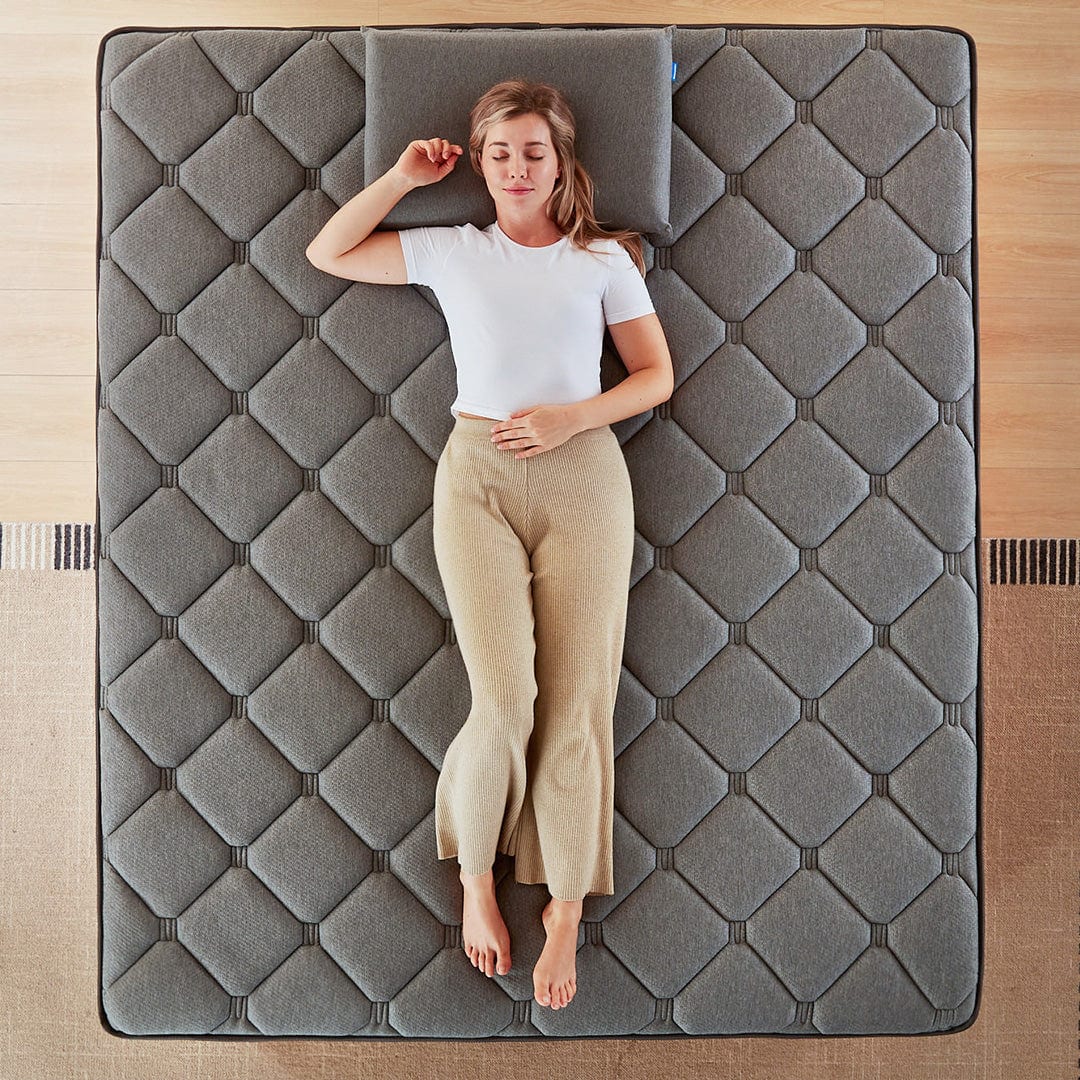
In this guide, we’ll break down the best sleeping position for lower back pain, and even tips for the best position to sleep with a sore back. No fancy gadgets or expensive treatments—just simple, actionable changes to help you wake up feeling refreshed, not achy.

In this article
Why Your Sleep Position Matters for Lower Back Health
Think of your spine like a bridge: if it’s not supported evenly, it will start to sag and ache over time.
A 2025 study from the Sleep Foundation found that lower back pain and sleep issues often feed off each other: back pain makes it hard to sleep, and poor sleep makes back pain worse . This cycle can feel impossible to break, but it starts with fixing your sleep position.

The best position to sleep for lower back support will keep your spine in that natural “S” shape, taking pressure off your lumbar region (the lower part of your spine) and letting your muscles relax.
Another key factor? Your mattress. hard beds are best for your back—instead, medium-firm mattresses are recommended, as they provide enough support to keep your spine aligned without causing pressure points.
But even the best mattress won’t help if you’re sleeping in the wrong position. So, let’s get to the good stuff: which positions work, and which ones should you avoid?
The Best Position to Sleep for Lower Back (and How to Do It Right)
After reviewing dozens of studies and consulting sleep experts, we’ve narrowed down the top positions for lower back health. The best sleeping position for lower back pain isn’t one-size-fits-all, but these three options are the most effective for most people—plus, we’ll share pro tips to make them even more comfortable.
1. Supine (On Your Back): The Best Overall Position for Lower Back Health

If you had to pick the best position to sleep for your lower back, it’s supine (lying flat on your back). According to Keck Medicine of USC, this position distributes your weight evenly across your body, keeping your spine in a neutral position and reducing strain on your lower back muscles.
But here’s the catch: you can’t just lie flat on your back and call it a day. To make this the best sleeping position for lower back pain, you need to add support where your body needs it most.
Place a pillow under your knees—this slight bend in your hips takes pressure off your lumbar spine and helps maintain that natural “S” curve. Avoid thick pillows under your head, which can tilt your neck forward and throw off your spine alignment. Instead, use a thin, supportive pillow that keeps your neck in line with your back.
Who is this position best for? Anyone with general lower back pain, or those who want to prevent pain from developing. It’s also great for people with lumbar disc issues, as it reduces pressure on the discs. The only downside? If you snore or have sleep apnea, supine sleeping might make it worse—try the side position instead.
2. Side Sleeping: The Best Runner-Up for Lower Back Pain
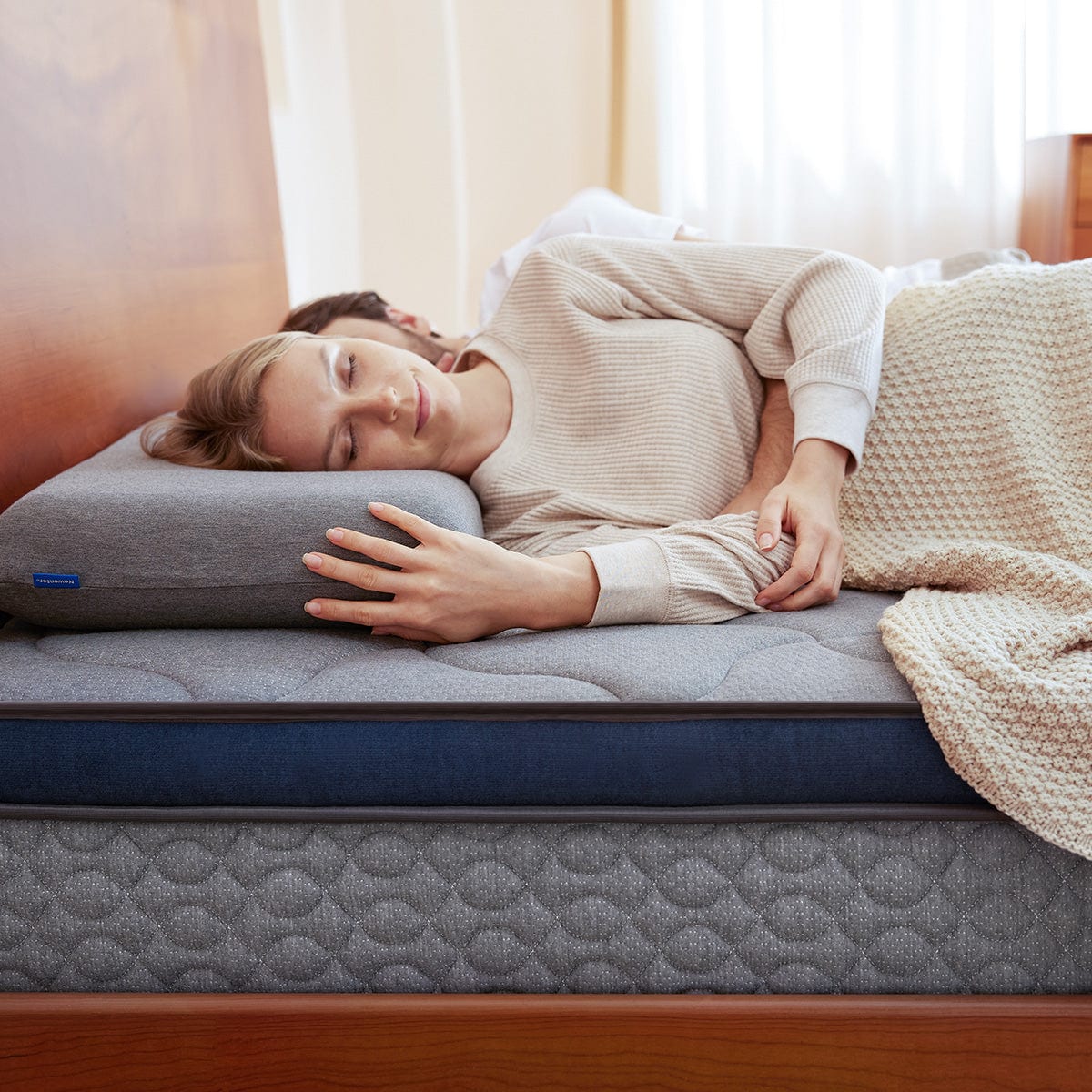
If sleeping on your back feels uncomfortable, side sleeping is the next best position to sleep for lower back pain. It’s also the most common position among people with chronic lower back pain, with 87% of patients in a PMC study reporting side sleeping as their preferred position. When done right, side sleeping keeps your spine aligned and reduces pressure on your lower back.
The key to making side sleeping the best sleeping position for back pain is to use a pillow between your knees. This keeps your hips and pelvis aligned, preventing your lower back from twisting (a common cause of morning soreness).
Pro tip: Alternate sides occasionally to avoid muscle imbalances . If you have a sore back, try sleeping on your non-dominant side—this takes pressure off the side that’s already aching. Side sleeping is also a great choice for people who snore, as it keeps your airways open.
3. The “Fetal” Position: Best for Sore Backs (When Done Correctly)

If you’re dealing with acute soreness, the fetal position (curled up on your side) might be the best position to sleep with sore back. It’s cozy, comforting, and can help open up the space between your vertebrae, reducing tension in your lower back . But be careful—curling up too tightly can do more harm than good.
To make the fetal position work for you, keep your knees bent but not pulled too close to your chest. But over-curling (what they call the “shrimp position”) can cause lumba (reverse curvature) and worsen herniated discs . Place a pillow between your knees to keep your hips aligned, and use a supportive neck pillow. This way, you get the comfort of curling up without straining your lower back.
The Worst Position for Lower Back Pain: Stomach Sleeping
Now, let’s talk about the position you should avoid at all costs: sleeping on your stomach. According to Keck Medicine of USC, this is the worst position for your spine, as it flattens your natural curve and puts intense pressure on your lower back muscles and joints.
A PMC study found that 42% of people with chronic lower back pain avoid stomach sleeping because it exacerbates their pain.
If you can’t break the habit of stomach sleeping (we get it—old habits die hard), there’s a quick fix: place a thin pillow under your pelvis. This helps lift your lower back and restore some of its natural curve, reducing pressure. Avoid placing a pillow under your head, as this will tilt your neck and strain your upper back.
Pro Tips to Make Any Sleep Position Better for Your Lower Back
Even if you choose the best position to sleep for your lower back, a few small mistakes can ruin your progress.
1. Choose the Right Mattress
Medium-firm mattresses are best for lower back health—they strike the perfect balance between support and comfort to keep your spine aligned. For an extra boost, look for an ergonomic zoned support option, like Newentor’s hybrid mattress.
Designed to cradle your spine’s natural “S” curve, it adds targeted lumbar support to ease pressure, making it a great match for the best position to sleep for the lower back.
Skip overly soft or hard mattresses, and choose firmness based on your weight: go firmer if you’re heavier, slightly softer if you’re lighter.

2. Use the Right Pillows
Pillows are key to lower back support, too. For supine sleeping, use a pillow under your knees; for side sleeping, one between your knees is a must. For neck support, pick a pillow that keeps your neck aligned with your spine.
Newentor’s adjustable memory foam pillow is a great choice—it lets you customise the height for any sleep position, conforms to your neck, and pairs perfectly with the best position to sleep for the lower back.

3. Avoid These Common Sleep Habits
Even the best position to sleep for the lower back can be undermined by bad habits. Avoid sleeping with crossed legs, as this twists your lower back.
Don’t use too many pillows, since they throw off your alignment. Steer clear of the hurdle position, where one leg is bent over the other, as it causes pelvic rotation and strains your lower back.
Also, try to avoid sleeping with your arms above your head, the surrender position, because it can pull on your shoulder muscles and indirectly strain your lower back.
4. Stretch Before Bed (and When You Wake Up)

A few simple stretches can loosen up your lower back muscles and make it easier to fall asleep in the best position to sleep for your lower back.
Try gentle cat-cow stretches (on your hands and knees, arch your back up and down) or child’s pose (kneel, sit back on your heels, and stretch your arms forward).
In the morning, a quick supine twist (lie on your back, bend your knees, and let them fall to one side) can help relieve stiffness.
Final Thoughts
Lower back pain doesn’t have to ruin your sleep—or your mornings. By choosing the best position to sleep for the lower back, using the right support (pillows and mattress), and avoiding bad habits, you can reduce soreness and wake up feeling refreshed. Check out Newentor ergonomic bedding below.



Leave a comment

726 views , 4 mins read