



Many people confuse a simple nightmare with true terror sleep episodes, but they are fundamentally different experiences. Nightmares occur during Rapid Eye Movement (REM) sleep, which means you usually remember the bad dream vividly when you wake up.
5 Proven Ways to Stop Terror Sleep in Adults
AUG 27, 2026
Last updated: AUG 28, 2026


593 views, 3 mins read
Do you wake up screaming, sweating or disoriented in the middle of the night? Many people deal with terror sleep, also known as night terrors. This guide breaks down what causes sleep terrors, key symptoms, risk factors and practical steps to reduce night terrors in adults.


In this article
What is Terror Sleep? Night Terrors vs. Nightmares
In contrast, night terrors—also known as sleep terrors—happen during non-REM (N3) deep sleep, usually within the first few hours of falling asleep. During an episode, the sleeper might suddenly sit up, scream, thrash around, or sweat heavily while remaining completely asleep.
Most people experiencing a night terror have no memory of the event the next morning. They are not dreaming in the traditional sense; instead, their brain gets caught in an abrupt transition between deep sleep stages and sudden arousal.
How Common Are Night Terrors in Adults?

You might think night terrors are just a kid thing—and you're partly right. They're much more common in children, with studies estimating that 30% to 40% of young kids experience them at some point. But adults get them too.
According to the American Academy of Sleep Medicine, about 2% of adults experience night terrors. Another study of nearly 5,000 people found that 2.2% reported having night terrors. That's roughly 1 in 50 adults. So if you're dealing with this, know that plenty of other grown-ups are in the same boat.
What Causes Sleep Terrors?
So what actually triggers these terrifying episodes? Researchers don't have one single answer, but several factors are known to increase your risk.
1. Stress and Anxiety
This is probably the biggest trigger. Major stress in daily life—whether from work, relationships, or finances—can mess with your sleep patterns and make night terrors more likely. Adults with depression, anxiety, or obsessive-compulsive traits are also more likely to experience them.
2. Sleep Deprivation and Irregular Schedules
Not getting enough sleep is a huge risk factor. Irregular sleep schedules—chopping and changing your bedtimes and wake-up times—can also trigger episodes. Your brain needs consistency, and when it doesn't get it, weird things can happen during deep sleep.
3. Alcohol, Caffeine, and Medications
Drinking alcohol, especially close to bedtime, can increase your chances of having a night terror. Caffeine and certain medications—including some antidepressants and stimulants—can also disrupt your sleep architecture and trigger episodes.
4. Underlying Health Conditions
Sleep disorders like sleep apnea and restless leg syndrome can arouse your body just enough for a night terror to occur. PTSD is another major risk factor—people with trauma-related conditions are more likely to experience night terrors.
5. Genetics
Night terrors tend to run in families. If your parents or siblings had them, there's a higher chance you might too.
6. Fever and Illness
A fever can also trigger an episode. Physical stress can disrupt your sleep in unexpected ways.
5 Practical Ways to Reduce Terror Sleep Episodes
1. Maintain a Consistent Sleep Schedule
Go to bed and wake up at the exact same time every day, including on weekends. Overtiredness and sleep deprivation are primary triggers for sleep terrors.

2. Build a Calming Wind-Down Routine
Dedicate 30 to 60 minutes before bed to relaxing activities. Turn off screens, lower the lights, and engage in gentle stretching, light reading, or warm baths to lower central nervous system arousal.
3. Optimise Your Bedroom Environment
Keep your bedroom dark, quiet, and cool (around 65°F/18°C), as overheating disrupts deep sleep stages. Physical discomfort from an unsupportive bed also causes constant tossing and turning that triggers erratic awakenings.

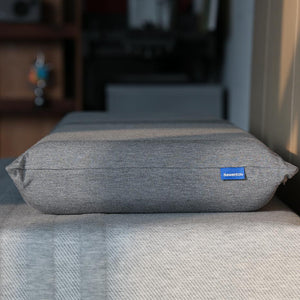
Investing in ergonomic, breathable bedding—such as Newentor memory foam pillows and cooling mattress toppers—keeps your spine properly aligned and pulls heat away from your body. When your body is completely supported and cool, your mind stays settled in undisturbed, deep rest.







5. Manage Daytime Stress
High anxiety and unmanaged emotional stress directly impact sleep quality. Practice relaxation techniques like deep breathing exercises, journaling before bed, or mindfulness meditation throughout the day.
6. Try Scheduled Awakenings
If episodes happen at roughly the same time every night, wake the person gently about 15 to 20 minutes before the expected time. Keep them awake for a few minutes before letting them go back to sleep to reset their sleep cycle.
When Should You See a Sleep Professional?
Most occasional terror sleep is not dangerous, but seek medical support under these circumstances. Night terrors happen multiple times every week and keep ruining your sleep quality.
You hurt yourself or your sleeping partner during episodes. You regularly feel exhausted, anxious or unable to function well in daytime life.
You suspect you also have sleep apnea, PTSD or other underlying mental or physical health conditions.
A sleep specialist can run assessments such as polysomnography to rule out hidden sleep‑disorder causes.
FAQs about Terror Sleep
Q: Are night terrors dangerous?
A: The episode itself is not harmful. The main risk comes from thrashing movements leading to falls or injuries. Making your bedroom safe is critical.
Q: Should I wake someone up during a night terror?
A: Do not shake them awake abruptly. Speak in a soft voice and guide them gently back to safety. Forcing full wake‑up can cause confusion and panic.
Q: Can night terrors go away on their own for adults?
A: Some people see improvement with better sleep and lower stress. If triggers remain unaddressed, night terrors may keep returning long‑term.
Q: Can supplements cure night terrors?
A: No supplement is proven to fully fix night terrors. Improving sleep hygiene and addressing stress work far better for most people.
Bottom Lines
Terror sleep can feel frightening and draining, but you are not alone. By understanding what causes sleep terrors, fixing your sleep habits and lowering stress, many adults can reduce night terrors in adults. Pairing healthy sleep routines with supportive sleep gear also makes a huge difference.
Newentor ergonomic mattresses and pillows relieve body pressure, eliminate nighttime physical restlessness, and stabilise deep sleep cycles, effectively cutting down triggers for terror sleep. If episodes stay frequent and disruptive, reach out to a sleep‑health expert for proper guidance.

Disclaimer
- This article serves for educational purposes only and is not medical advice. References: Sleep Foundation, Sleep Journal research.
Leave a comment

593 views, 3 mins read