



Yoga nidra is often called “yogic sleep,” but you’re not actually asleep—at least not in the way you think. You lie on your back, close your eyes, and follow a teacher’s voice as it guides your attention through your body, breath, and even emotions. Think of it as that delicious state right before you drift off, where you’re still aware but deeply relaxed.
Yoga Nidra for Sleep: The Ultimate Guide to Restful Nights
AUG 31, 2026
Last updated: SEP 01, 2026


836 views, 3 mins read
Tossing and turning at 2 a.m. again? Your brain won’t shut up, and tomorrow’s alarm is creeping closer. Yoga nidra for sleep might be the tool you’ve been missing. It’s not another pill or complicated routine—just you, lying down, following a calm voice.

This guide breaks down why nidra yoga for sleep works, how to start tonight, and how to set up your bedroom for deeper rest. No experience needed. By the end, you’ll know exactly what to do when your head hits the pillow.

In this article
What is Yoga Nidra?
Unlike seated meditation, where your mind might wander to your grocery list, yoga nidra gives your brain a specific job: listening. That structure is a lifesaver for overthinkers. When you use yoga nidra for sleep, the voice keeps you anchored, so anxious thoughts don’t pull you away.

The practice has roots in ancient Indian traditions, but today it’s used everywhere from yoga studios to sleep clinics. You don’t need to be flexible, spiritual, or experienced. You just need to lie down and press play.
Why Does Nidra Yoga for Sleep Works Better Than Counting Sheep?
Not all ASMR fits bedtime routines—here are the most user-loved formats for consistent rest, sorted by popularity.
Yoga nidra flips the switch toward “rest and digest.” According to the Sleep Foundation, relaxation techniques before bed can lower heart rate and prepare the body for sleep onset (Source: Sleep Foundation). During a session, your breathing slows, your jaw unclenches, and your brain shifts from busy beta waves to slower alpha and theta waves. That shift makes it much harder for racing thoughts to keep shouting.
Here’s why it beats counting sheep:
- It gives your mind a clear task. Instead of trying to empty your head (which never works), you follow the voice from your left thumb to your right hip. Small, achievable focus points crowd out the mental chatter.
- It works with your body, not against it. You’re not forcing relaxation. You’re simply noticing sensations, which naturally softens tension.
- It creates a sleep cue. After a week or two, your brain starts to associate the sound of the guide’s voice with lights-out. That Pavlovian response is powerful.
Step-by-Step Guide for Beginners
Ready to try yoga nidra for deep sleep tonight? Here’s a simple, no-nonsense plan.
Step 1: Get comfortable in bed. Lie on your back with a pillow under your head. If your lower back aches, put a rolled towel or another pillow under your knees. Cover yourself with a blanket—your body temperature drops as you relax, and you don’t want to wake up shivering.
Step 2: Set up your phone or speaker. Choose a guided nidra yoga for sleep recording on YouTube, a meditation app, or a podcast. Look for sessions that are 20 to 45 minutes long. Avoid tracks with sudden bells, loud gongs, or upbeat music. If you share a bed, use earbuds or a thin headband speaker so you don’t disturb your partner.

Step 3: Press play and let go of control. Close your eyes and follow the voice. It might say, “Bring your awareness to your right thumb. Feel the thumb. Now move to your right index finger.” You don’t have to do anything special—just notice. If your mind wanders to work or that awkward conversation, no big deal. Come back to the voice.
Step 4: Don’t fight sleep. If you fall asleep before the recording ends, that’s a win. The goal is rest, not completing the session. If you stay in that dreamy, half-awake state, that’s also perfect. Either way, your nervous system is getting what it needs.
Step 5: Repeat tomorrow night. One session might help you settle. A week of sessions starts to rewire your brain’s bedtime response. Consistency beats intensity every time.
Creating an Effective Bedtime Environment
Your environment can make or break your practice. You don’t need a luxury spa setup—just a few tweaks.
Dim the lights 30 minutes before bed. Bright overhead lights tell your brain it’s still daytime. Use a small lamp or a salt lamp instead.
Cool the room down. Most people sleep best between 60 and 67°F (15–19°C). A fan or lighter blanket can help if you run hot.
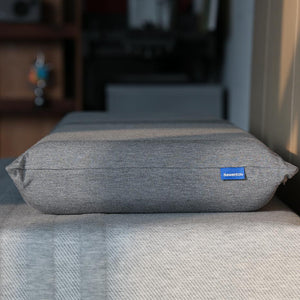
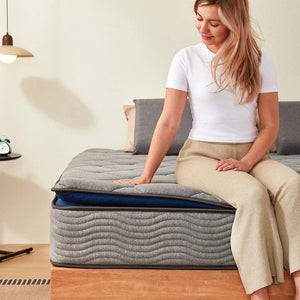
Make your bed comfortable. Since yoga nidra asks you to lie still for 20–45 minutes, pressure points can become distracting. If your mattress feels too firm, a mattress topper can add the right cushioning. A supportive pillow also helps keep your neck neutral while you lie on your back. When your body isn’t fighting the bed, it’s much easier to relax into sleep.




Reduce noise distractions. White noise or a fan can mask street sounds, but keep the volume low—you still want to hear the guide clearly.
Put your phone face down and out of reach. Set your recording, then flip the phone over. Scrolling before bed exposes you to blue light and stress.
Keep a notepad nearby. If tomorrow’s tasks keep looping in your head, jot down one or two words. That simple act tells your brain, “I’ve got this. You can rest now.”
FAQs about Yoga Nidra for Sleep
Q: How long does it take for yoga nidra to work for sleep?
Some people feel calmer after the first session. For noticeable changes—like falling asleep faster or waking less often—give it one to two weeks of regular practice. Your nervous system needs repetition to build a new pattern.
Q: Can I do yoga nidra in bed, or do I need a yoga mat?
Bed is perfect. In fact, doing it in bed strengthens the connection between the practice and sleep. A yoga mat works too if you want a daytime reset, but for nighttime, stay cozy under the covers.
Q: What if I fall asleep during the recording?
That’s a sign your body felt safe enough to let go. You don’t need to finish the session. The benefits continue even after you drift off. Many people never hear the end of their favorite recording—and that’s totally fine.
Q: Is yoga nidra for deep sleep the same as hypnosis?
Not quite. Hypnosis often uses direct suggestions to change behavior. Yoga nidra is more about guiding your awareness inward without demanding anything. You stay in control the whole time. If you want to stop, you just open your eyes.
Q: Can I practice yoga nidra if I have insomnia or anxiety?
Yes, but think of it as a tool, not a cure. If you have chronic insomnia or an anxiety disorder, talk to a healthcare provider. Yoga nidra can be a helpful add-on, especially for yoga nidra for sleep and anxiety, but it shouldn’t replace professional care.
Q: Should I use the same recording every night?
Familiarity helps. Your brain learns to associate that specific voice with bedtime. After a few weeks, you might try a longer session or a different guide, but there’s no rush. Consistency is more important than variety.
Q: Can I do yoga nidra during the day for a nap?
Absolutely. A 20-minute session after lunch can feel like a full sleep cycle. But if you’re using it for nighttime sleep, keep the same routine: dark room, cozy bed, and the intention to rest.
Q: Do I need any special breathing technique?
The guide will lead you. Most sessions start with simple natural breathing, then may introduce slow, deep breaths. You don’t need to learn anything beforehand. Just follow along.
Bottom Lines
If you’re tired of relying on sleep aids, yoga nidra for sleep offers a natural, science-backed way to calm nighttime anxiety and boost deep rest.
Pair it with a truly comfortable setup—a Newentor mattress topper or supportive pillow can help you lie still without pressure points—and the practice works even better. Start tonight, and let your body finally get the restorative sleep it’s been craving.

Leave a comment

836 views, 3 mins read