Is There Fiberglass in Your Mattress? What You Need to Know

Home > All Artcles >
Is There Fiberglass in Your Mattress? What You Need to Know

Shopping for a new mattress? There’s one ingredient buzzing around the sleep community that’s giving everyone nightmares: fiberglass. Why on earth is there glass in our beds, and is fiberglass in mattress designs actually safe?

fiberglass mattress

Before you buy your next bed, here is the unfiltered truth about the dangers of a fiberglass mattress, how it impacts your health, and what the law actually says here in Australia.

In this article

1

What is Fiberglass?

Fiberglass (or fibreglass, as it’s spelled in Australia) is a lightweight, synthetic material made from ultra-fine glass fibers—so tiny (3–20 microns wide) they’re invisible to the naked eye without magnification.

These thin glass threads are melted down and woven into a flexible, fabric-like mat or pressed into a thin layer, sometimes mixed with plastic resins for extra durability.

fiberglass in mattress

Originally, fiberglass was used for industrial stuff like boat hulls, home insulation, and car parts. But decades ago, it made its way into the mattress industry.

In mattresses, fiberglass is hidden just under the outer cover, forming a thin “fire barrier” layer you can’t see unless the cover tears. It’s especially common in budget mattresses, including cheap RV camper beds, because it’s lightweight, flexible, and easy to cut into any size.

2

Why is Fiberglass Used in Mattresses?

The short answer is fire safety and budget.

  • The Law: In several international markets (like the strict 16 CFR Part 1633 standards in the US), mattresses must pass rigorous open-flame tests.
  • The Function: Fiberglass acts as a built-in fire barrier. If the mattress catches fire, the glass fibers melt together, blocking oxygen and slowing down the flames.
  • The Loophole: Because it is incredibly cheap, it is the ultimate way for budget brands to meet safety laws. Mass-producing cheap fiberglass mattresses cuts material costs and keeps retail prices incredibly low.
Where is it found?
  • You will frequently find this issue with generic brands sold on Amazon, as well as historically prominent budget models from lines like Nectar and Dreamcloud.

How Does the Fiberglass Escape?

There are generally two main scenarios when it comes to how this stuff leaks into your home:

1. Removing the Cover

A mattress comes with a zipper, so you naturally assume the outer cover is washable. Once unzipped, it unknowingly exposes or tears the fragile firesock underneath. Instantly, millions of invisible glass shards spill into the room like a dust bomb.

how does the fiberglass escape from mattress

2. The "Intact Cover" Mystery

This is rarer but highly troubling: finding shiny dust leaking through without ever touching the zipper.

While tests show fibres rarely migrate through a perfect, thick outer layer, experts suspect two main culprits:

  • Factory Contamination: Loose shards attach to the outside of the cover during assembly before the mattress is packaged.
  • Cheap, Porous Fabrics: Low-quality covers with invisible micro-tears allow fragments to slip through over time.

Here’s the critical part: fiberglass in mattress is only safe if it’s completely sealed inside. The outer cover acts as a protective shield—if it tears, rips, or you remove it to wash it, those tiny fiberglass fibers escape into the air, onto your bedding, and all over your home. And those microscopic fibers can cause real health issues, which is why “is fiberglass dangerous” is such a common search.

3

What Harm Does Fiberglass Cause to The Human Body?

Short-Term Health Risks

  • Skin irritation: Fiberglass fibers stick to your skin and get trapped in pores, causing intense itching, red rashes, and a burning feeling—like touching poison ivy. Lots of people report waking up with itchy arms or legs after sleeping on a damaged fiberglass mattress.
  • Eye irritation: Floating fibers get into your eyes, leading to redness, watering, and stinging. This is extra tough on kids or pets who rub their eyes a lot.
  • Respiratory problems: Breathing in fiberglass fibers irritates your nose, throat, and lungs, triggering coughing, wheezing, and shortness of breath. If you have asthma or allergies, this can make symptoms way worse.

is fiberglass dangerous

Long-Term Health Risks

  • Chronic inflammation: Repeated exposure can lead to ongoing skin or lung inflammation, possibly causing eczema or bronchitis.
  • Lung damage: While the International Agency for Research on Cancer (IARC) classifies fiberglass as “not classifiable as carcinogenic,” long-term heavy exposure might raise the risk of pulmonary fibrosis (scarring of lung tissue).
  • Home contamination: Fiberglass fibers are nearly impossible to fully clean. They cling to carpets, furniture, and even air ducts, floating around your home for months. Getting rid of them often requires expensive professional hazmat cleaning.

The California Department of Public Health (CDPH) has documented cases where kids suffered severe skin and breathing issues from escaped fiberglass in mattresses, so this risk isn’t something to brush off.

4

How To Tell If Your Mattress Contains Fiberglass?

Here are the most effective ways to find out if your mattress contains or is leaking fiberglass:

1. The Flashlight Test (Checking for Active Leaks)

Your absolute best tool for detecting loose fibers is a bright light source, such as your phone's LED light or a headlamp.

  • The Method: Dim the overhead room lights and shine the flashlight at a sharp angle across your mattress cover and surrounding furniture.
  • What to look for: If there is a leak, fiberglass will show up as short, perfectly straight, sharp-looking transparent strands that intensely reflect the light.
  • The "Whiskered" Effect: If you look closely at an exposed firesock layer, a fiberglass barrier will often have a fuzzy, "whiskered" appearance where the sharp glass shards are physically poking out.

2. Read the Law Label

Check the tag sewn onto the edge or back of your mattress.

  • Look for these materials: If the label lists "glass fiber," "silica," or "poly-glass," it definitely contains fiberglass.
  • Be cautious: Keep in mind that some sketchy brands may hide, obscure, or completely omit these terms on their official labels.
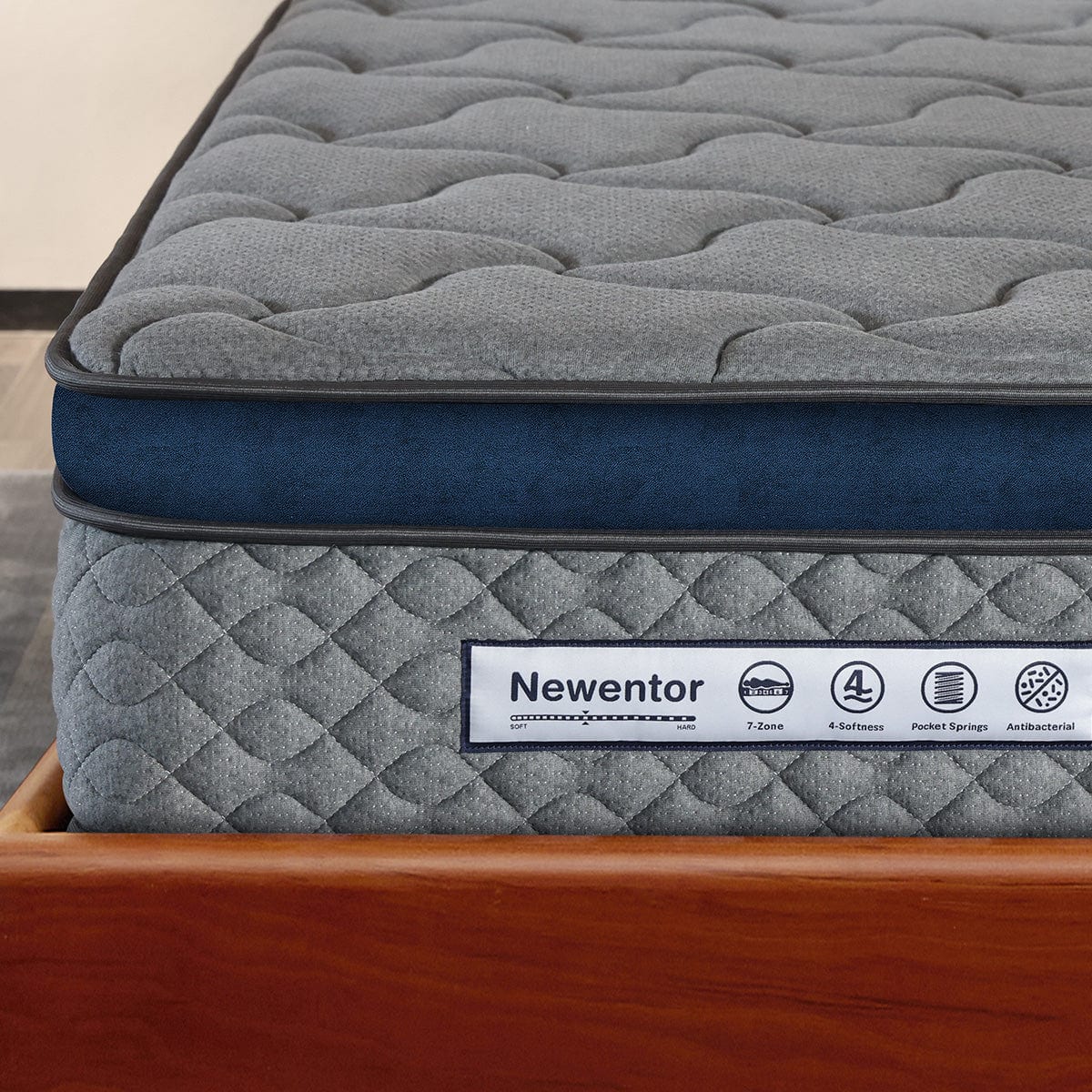
newentor mattress for ht sleepers

3. Spot the "Forbidden Zipper" Red Flag

Take a close look at the design and safety warnings on your mattress.

  • The Trap: A major red flag is a mattress that features a physical zipper, but has a tag stating "Do Not Remove Cover" or "Do Not Wash."
  • The Golden Rule: If you see that warning, treat that zipper as a permanent lock. Opening it will likely tear the underlying barrier and release fibers into your room.
5

FAQs about Fiberglass Mattress

Do Australian Mattresses Have Fibreglass?

Generally speaking, mattresses in australia have fibreglass much less frequently than those found in the US. This is because Australian fire safety regulations for domestic furniture rely more heavily on naturally flame-resistant materials like wool, or safe synthetic blends, rather than cheap open-flame glass barriers.


Are fibreglass mattresses legal in australia?

Yes, they are technically legal to import and sell. This means that if you buy an unbranded, ultra-cheap memory foam mattress imported from overseas, you are still at risk.


Do ecosa mattresses contain fibreglass?

No. Ecosa explicitly states that their mattresses are completely free from fiberglass, utilizing safer alternative woven barriers.


Do koala mattresses have fibreglass?

No. Koala mattresses do not use fiberglass, focusing on safe, certified foam layers.


Do ikea mattresses have fibreglass?

Generally, no. Ikea utilizes a polyester-rayon blend as a fire barrier globally, avoiding glass fibers entirely.


What should I do if fiberglass escapes from my mattress?

1) Stop using the mattress right away; 2) Seal it in a plastic mattress bag; 3) Don’t shake or move it; 4) Hire a professional hazmat cleaner to remove fibers from your home.


Also Read
6

Bottom Lines

Fiberglass in mattresses is a hidden risk many overlook, especially with budget or RV camper mattresses. While legal in Australia and safe when sealed, damaged covers release harmful fibers. Choose Newentor mattresses—fibreglass-free, skin-safe, and trusted by Australian sleepers. Check your mattress today to stay safe.

Newentor Hybrid Mattress Newentor Hybrid Mattress

$388.50 $1,050.00

Newentor Hybrid Mattress Pro Newentor Hybrid Mattress Pro

$712.50 $1,500.00

Newentor Hesperis Memory Foam Mattress Newentor Hesperis Memory Foam Mattress

$528.00 $880.00

Lullanna Cloud Dream Zero G Pillow Lullanna Cloud Dream Zero G Pillow

$81.00 $180.00

Newentor Memory Foam Mattress Topper Newentor Memory Foam Mattress Topper

$182.40 $380.00

Newentor Mattress Topper Cooling Newentor Mattress Topper Cooling

$240.00 $480.00

Newentor Mattress Topper Waterproof Newentor Mattress Topper Waterproof

$240.00 $460.00

Waterproof Mattress Protector Waterproof Mattress Protector

$84.00 $140.00

Comments
Leave a comment

Please note, comments must be approved before they are published

Author Information
725 views, 3 mins read
Sarah Mitchell, a sleep writer on Newentor's editorial team, covers mattresses, pillows and sleep health for Australian readers.
Sleep & Bedding Writer Newentor Editorial Team
Related Articles
More Articles