



Wondering what is the best sleeping position for everyday rest? Sleep experts have clear rankings for the three common sleep postures. According to Sealy Australia, around 66% of Australians prefer side sleeping, making it the most popular and body-friendly option for most adults.
What Is the Ideal Position for Sleeping?
JUL 22, 2026
Last updated: JUL 23, 2026


625 views , 3 mins read
Ever rolled out of bed with a tight, achy lower back or a stiff neck that lingers through your first coffee of the day? You’re not alone. Around 60% of Australian adults deal with regular sleep disruptions, per the Sleep Health Foundation, and poor sleep posture is a surprisingly common culprit.

Many people blame their mattress or pillow, but finding the best sleeping position can make a world of difference in how rested and pain-free you feel. In this guide, we break down the ideal position for sleeping, what works best for lower back pain, and whether left or right side sleeping is better for your body.

In this article
What Is the Best Sleeping Position Overall?
1. Side Sleeping (Best Overall)
Approved by Mayo Clinic sleep experts, this is the best sleeping position for most people. It keeps your airway fully open all night, effectively reducing snoring and mild sleep apnea symptoms. It avoids the neck twisting caused by stomach sleeping and prevents airway blockage that often happens when sleeping on your back, protecting your spine and respiratory health long-term.
2. Back Sleeping (Second Best)
This posture allows your spine to stay in a natural neutral position and eases joint pressure. For optimal comfort, place a small pillow under your knees to relieve lower back tension. The main downside: back sleeping worsens snoring and sleep apnea, so it’s not suitable for light sleepers or people with noisy nighttime breathing issues.
3. Stomach Sleeping (Least Recommended)
Though it feels cozy at first, this position puts huge strain on your body. It forces your neck to twist sideways for hours and overarches your lower back, easily causing morning stiffness and body soreness. If you have no choice but to sleep on your stomach, tuck a thin pillow under your hips to correct spinal alignment and reduce physical pressure.
Left vs. Right: Best Position to Sleep Left or Right?
If you prefer resting on your side, you might wonder if there is an actual difference between sides. Is there a best position to sleep left or right? Medical research and sleep studies show that the side you pick can significantly affect your internal health.

1. The Benefits of Left-Side Sleeping
Sleeping on your left side is widely considered the gold standard for digestive health. Anatomically, your stomach sits on the left side of your abdomen. Lying on your left side helps keep stomach acid below the esophageal sphincter, which drastically reduces symptoms of Gastroesophageal Reflux Disease (GERD) and nighttime heartburn. It is also the recommended position during pregnancy because it improves blood circulation to the heart, kidneys, and uterus.
2. When Right-Side Sleeping Works Better
While left-side sleeping takes the crown for digestion, resting on your right side reduces pressure on the cardiovascular system. It prevents the heart from shifting against the chest wall, making it a comfortable choice for individuals with high blood pressure or certain heart conditions.
Best Sleeping Position for Lower Back Pain
Waking up with constant dull lower back ache every morning? Tweaking how you sleep is a simple, instant relief solution. The core rule of the best sleeping position for lower back pain is maintaining a neutral, straight spine, letting sore muscles and joints heal overnight.
1. Side sleep with a pillow between knees (No.1 pick)
Physiotherapists and Mayo Clinic specialists name this the top best position to sleep for lower back.
When you lie sideways, your upper leg falls down and twists your pelvis, straining your lumbar area all night.
Slide a firm pillow between knees to balance your hips, straighten your spine and release back pressure. Add a tiny pillow behind your waist if you tend to roll forward in sleep.

2. Back sleep with a pillow under knees (Second choice)
Sleeping flat on your back is naturally gentle on the spine.
Put a thin pillow under your knees to stop your lower back arching off the mattress. This loosens tight lumbar muscles and eases pressure on spinal discs. For extra lumbar support, place a rolled-up towel under your waist curve.
3. Avoid stomach sleeping completely
This pose bends your spine sharply and strains lumbar muscles nonstop. It will gradually worsen long-term lower back pain.
Smart Bedding Hacks for Your Sleep Posture
Adopting the best sleeping position requires the right support:
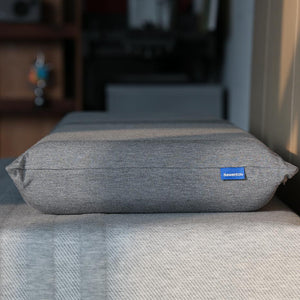
- Match Pillow Loft: Side sleepers need a thicker, contoured pillow, while back sleepers need a medium loft. An option like the Newentor Ergonomic Pillow lets you tailor the height to your position.
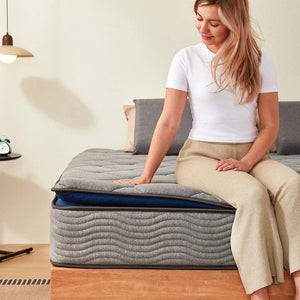
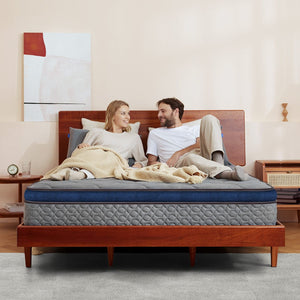
- Choose the Right Mattress Support: Side sleepers need soft-to-medium cushioning for hips and shoulders, while back/stomach sleepers need medium-firm support. The Newentor Hybrid Mattress Pro provides multi-zone support that adapts to any sleep style.
- Elevate for Better Breathing: If you deal with snoring or sleep apnea, elevating the head of your bed by 4–6 inches helps keep airways open naturally.


FAQs about Best Sleeping Positions
1. How does my sleeping position affect snoring and sleep apnea?
Sleeping on your back can cause the tongue and soft tissues in the back of the throat to collapse backward, narrowing the airway and worsening snoring or sleep apnea. Side sleeping keeps the airways open and is generally recommended to reduce snoring.
2. How do I choose the right pillow for my sleeping position?
- Side Sleepers: Need a thick, firm, or contoured pillow to bridge the wide gap between the ear and shoulder.
- Back Sleepers: Need a medium-loft pillow that supports the natural curve of the neck without pushing the head too far forward.
- Stomach Sleepers: Need a very thin pillow (or no pillow at all) under the head to prevent neck extension.
3. How long does it take to get used to a new sleep position?
Most people take 1 to 2 weeks to fully adjust to a new sleep position. Using extra pillows for support makes the transition easier and more comfortable.
Final Thoughts
Small tweaks to your sleep posture can completely transform how you feel every morning, helping you wake up pain-free and truly refreshed.
Pairing your setup with the Newentor Ergonomic Pillow and Hybrid Mattress Pro makes finding that perfect, pressure-relieving alignment effortless. Try these simple adjustments tonight and enjoy the restorative sleep you deserve!
Leave a comment

625 views , 3 mins read