


The link between menopause and insomnia comes down to two key hormones: estrogen and progesterone. Progesterone acts as a natural sleep regulator, helping you fall asleep and stay asleep through the night. As your body enters perimenopause and progesterone levels drop, sleep becomes lighter and more easily disrupted.
Menopause and Insomnia: TOP 7 Sleep Aids for Menopause
OCT 19, 2026
Last updated: OCT 19, 2026


826 views, 3 mins read
If you're waking at 3am drenched in sweat, or staring at the ceiling while your brain runs a highlight reel, you're not alone. Menopause and insomnia is one of the most common—and least talked about—sleep struggles for Australian women.

In fact, 81% of women over 40 report trouble sleeping. This article breaks down why it happens, gives you seven practical fixes, and helps you sort your bedroom setup so night sweats stop calling the shots.

In this article
How Does Menopause Affect My Sleep?
Falling estrogen levels add another layer of disruption by triggering hot flushes and night sweats. These sudden spikes in body temperature can jolt you awake multiple times a night, often before you even realise you’re hot. Over time, this fragmented sleep builds up and leaves you feeling exhausted during the day.

While there are many causes of sleeplessness in women, hormonal fluctuation is by far the most common trigger during midlife. Jean Hailes for Women’s Health reports that 6 in 10 Australian women going through menopause experience regular sleep disturbances, with many reporting symptoms for 3–5 years.
It’s not just physical changes either. Menopause can bring increased anxiety, mood swings, and even a higher risk of obstructive sleep apnoea, all of which worsen menopause and sleeplessness. Many women brush off their trouble sleeping menopause as just stress or a busy life, not realising hormones are the root cause.
7 Tips to Improve Insomnia in Menopause
If you’re living with menopause and insomnia, you don’t have to reach for medication first. Small, consistent changes to your daily routine and sleep habits can make a huge difference to how well you rest. Here are 7 practical tips tailored for women going through this transition.
1. Stick to a consistent sleep schedule
Going to bed and waking up at roughly the same time every day trains your body’s internal clock, making it easier to fall asleep and stay asleep. Aim for 7–9 hours of rest each night, and avoid sleeping in more than an hour on weekends.
2. Cut caffeine and alcohol after 2 pm
Caffeine is a stimulant that stays in your system for 6–8 hours, and that afternoon latte could be keeping you up hours later. While alcohol might make you drowsy at first, it disrupts deep sleep later in the night and can make night sweats worse.
3. Build a 30-minute screen-free wind-down routine
Blue light from phones, laptops, and TVs suppresses melatonin, the hormone that helps you sleep. Try reading a book, sipping herbal tea, or doing gentle stretching instead to signal to your body it’s time to rest.
4. Stay active during the day (but not too close to bed)
Regular exercise like walking, swimming, or yoga improves overall sleep quality and reduces menopause symptom severity. Just finish any high-energy workouts at least 3 hours before bed to give your body time to cool down.
5. Keep your bedroom cool, dark, and quiet
Even small rises in room temperature can trigger night sweats. Use blackout curtains, earplugs, or a white noise machine if needed to block out distractions.
6. Limit daytime naps to 20 minutes
A short power nap can give you a midday boost, but longer naps can throw off your nighttime sleep schedule. If you do nap, keep it early in the afternoon so it doesn’t interfere with falling asleep later.
7. Practice gentle stress management daily
Anxiety and worry are common during menopause and are major contributors to trouble sleeping menopause. Even 10 minutes of deep breathing, meditation, or journaling before bed can help calm your mind and make it easier to drift off.
Natural Sleep Aids for Menopause
If you want to support your sleep routine gently without resorting immediately to heavy prescriptions or searching for the best sleeping pills for menopause, several natural options can offer relief:
- Herbal Teas: Chamomile, valerian root, and passionflower teas help soothe your nervous system right before turning off the light.
- Magnesium Supplements: Magnesium glycinate is widely recognized for supporting muscle relaxation and easing nighttime restlessness.
- Aromatherapy: Using essential oils like lavender or clary sage in a room diffuser creates a tranquil, stress-relieving environment.
- Targeted Plant Extracts: Phytoestrogens found in red clover, along with herbal remedies like black cohosh, are commonly used sleep aids for menopause to soothe hormonal fluctuations.
Beat Night Sweats: Why Your Bed and Sheets Matter During Menopause
You can't control your hormones. You can control what you sleep on.
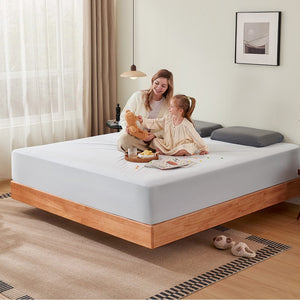
When a night sweat hits, the last thing you need is a mattress that traps heat or a cover that sticks to your skin. Breathable natural fibres—cotton, bamboo, linen—wick moisture away instead of holding it against your body. Synthetic fabrics are the opposite of what a hot sleeper needs.
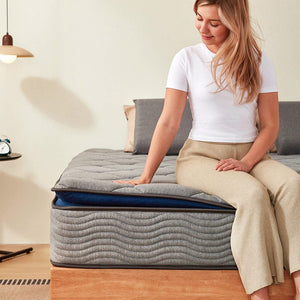
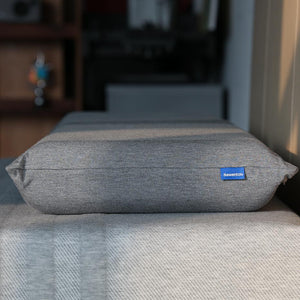
This is where the right bed setup earns its keep. For example, a Newentor mattress has a gel-visco memory foam top layer and a coconut-and-bamboo cover designed to wick moisture and resist odour.
For the room itself, a portable air conditioner can be a game-changer—especially in an Australian summer or a bedroom without ducted cooling. Unlike a ceiling fan that just moves warm air around, a mobile unit lets you drop the temperature of one room without committing to a whole-house system. Point it at the bed area, set it low before you get in, and you've got a cooler sleep zone ready when a flush hits.
if your current bed feels like a heat trap, menopause and insomnia will keep winning. A moisture-wicking mattress setup plus targeted room cooling is one of the most direct changes you can make.




FAQs about Sleep in Menopause
1. Is insomnia a normal part of menopause?
Yes, menopause and insomnia go hand in hand for most women. Hormonal shifts, night sweats, and mood changes all disrupt sleep patterns, and it’s very common to notice changes in how well you rest during perimenopause and early menopause. While it’s normal, that doesn’t mean you have to put up with it.
2. How long does sleep trouble last during menopause?
Every woman’s experience is different. For most, sleep problems peak during late perimenopause and the first 1–2 years after your final period. For some women, symptoms can last 5 years or more. Lifestyle changes and the right bedroom setup can reduce symptoms at any stage.
3. When should I see a doctor about menopause and sleeplessness?
It’s a good idea to talk to your GP if your sleep trouble lasts more than 3 months, if it’s affecting your ability to function during the day, or if you notice loud snoring or gasping for air at night. These could be signs of another condition like sleep apnoea.
4. Do I need the best sleeping pills for menopause to sleep well?
Not at all. Most women see significant improvement with simple lifestyle changes, a cooler bedroom, and natural sleep supports. Sleeping pills are generally reserved for severe, short-term insomnia when other strategies haven’t worked. They’re not a long-term solution for most people.
Bottom Lines
Menopause and insomnia is a real, measurable sleep problem—not a personal failure. Start with the temperature of your room and your bedding, layer in the practical night-time habits, and get professional support if months pass without change. Better sleep in menopause isn't about finding a miracle pill; it's about removing the things that keep waking you up.
Leave a comment

826 views, 3 mins read