



Sleep inertia is the period of reduced alertness and impaired performance right after you wake up . Think of it as your brain’s transition period — it’s still partially in sleep mode even though your eyes are open.
Sleep Inertia: Symptoms, Causes & 5 Treatment Tips
SEP 16, 2026
Last updated: SEP 17, 2026


625 views , 3 mins read
You wake up, but your brain doesn’t. That heavy, foggy feeling that makes you hit snooze five times? That’s sleep inertia — and it’s not just you being lazy.
This article explains what causes it, how long it typically lasts, and most importantly, what you can actually do to wake up feeling human again. Whether it’s a quick fix or a long-term strategy, we’ve got you covered.


In this article
What Is Sleep Inertia?
The CDC describes it as a temporary disorientation and drop in mood or performance after waking. You might feel confused, slow to respond, or like you’re moving through molasses.
How long does it last? Usually between 30 to 60 minutes, but it can stretch up to two hours for some people . Research shows alertness gradually increases and reaction time improves within the first hour after waking.
What Causes Sleep Inertia?
1. Waking from deep sleep.
Sleep occurs in four stages, and NREM stage 3 is the deepest. If your alarm yanks you out of this slow-wave sleep phase, you'll likely experience intense sleep inertia. Your brain simply isn't ready to "come back online" that fast.
2. Not getting enough sleep.
Most adults need 7 to 9 hours. If you're regularly cutting corners, your body accumulates a "sleep debt" that makes morning grogginess worse. Research shows that prior sleep deprivation increases the likelihood of waking from deep sleep, which directly intensifies sleep inertia.

3. Shift work and irregular schedules.
People who work outside the typical 9-to-5 are more prone to sleep inertia because their circadian rhythm is constantly out of sync with their sleep-wake cycle.
4. Medications and substances.
Antihistamines, opioids, beta-blockers, benzodiazepines, and alcohol can all increase your risk of a groggy wake-up.
5. Underlying health conditions.
Depression, bipolar disorder, and obstructive sleep apnea can make sleep inertia more frequent and more intense. If you snore loudly or wake up gasping, it's worth talking to a doctor.
How to Get Rid of Sleep Inertia? (5 Treatment Options)
You don't have to suffer through the fog. Here are five science-backed strategies:
1. Get bright light immediately.
Exposure to bright light soon after waking suppresses melatonin — the sleep hormone — and speeds recovery from sleep inertia. Open your curtains, step outside, or use a sunrise alarm clock that gradually brightens your room.
2. Use caffeine strategically.
Caffeine from coffee or another source can shorten a sleep inertia episode and restore reaction time more quickly compared to placebo. Try timing it 30 to 60 minutes after waking for the best effect — or try a "caffeine nap": drink coffee, then take a 15-minute nap while it kicks in.
3. Take short naps — not long ones.
A quick nap under 15 minutes in the late afternoon can improve alertness. But anything longer risks pushing you into deep sleep, making the grogginess worse when you wake.
4. Wash your face and move your body.
A splash of cold water, a quick shower, or even a brisk walk around the block can help your body temperature rise and signal that it's time to be awake.
5. Cool your sleep environment.
A hot room disrupts sleep quality and can make waking up harder. If you're a hot sleeper, a Newentor portable air conditioner keeps your bedroom cool and quiet — operating at just 52dB, about the volume of a quiet conversation, so it won't disturb your rest.
How to Prevent Sleep Inertia Long-Term?
Quick fixes help, but the real solution is building habits that reduce the chances of a groggy morning in the first place.
1. Stick to a consistent sleep schedule.
Go to bed and wake up at the same time every day — yes, even on weekends. A regular wake-up time anchors your body's internal clock and makes the transition to wakefulness smoother.
2. Create a wind-down routine.
About an hour before bed, dim the lights, put away screens, and do something relaxing — reading, light stretching, or journaling. This helps you fall asleep faster and sleep more deeply.
3. Invest in your sleep environment.
A dark, quiet, and comfortable bedroom is non-negotiable. Your mattress and pillow matter more than you think. The Newentor hybrid mattress uses a 7-zone pocket-spring core with a breathable bamboo cover that lets air move through instead of trapping body heat — a game-changer for hot sleepers.
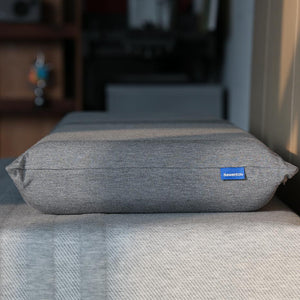
For neck support, the Newentor memory foam adjustable pillow is designed to keep your head and neck in neutral alignment. It has an adjustable height insert with four different positions, so you can fine-tune it to your sleeping style.






4. Limit caffeine and alcohol before bed.
Caffeine has a half-life of about 5 to 6 hours, so that 4 p.m. coffee can still be in your system at bedtime. Alcohol disrupts sleep architecture and increases the likelihood of waking during deep sleep.
5. Avoid the snooze button.
Hitting snooze fragments your sleep and pushes you back into deeper stages, making the eventual wake-up even harder. Research suggests repeated snoozing can actually bring on a worse episode of sleep inertia.
When Sleep Inertia Is More Than Just Morning Grogginess
Occasional morning fog is normal. But sometimes, sleep inertia signals something deeper.
See a doctor if you experience: severe confusion after waking that lasts well beyond an hour, frequent morning headaches, loud snoring with choking or gasping at night, or falling asleep unintentionally during the day.
These could point to obstructive sleep apnea, idiopathic hypersomnia, or another sleep disorder that needs professional evaluation. A sleep study can help your doctor figure out what's going on.
If you're waking up exhausted even after 8 hours in bed, that's not normal — and it's not something you just have to live with. Sleep inertia that consistently disrupts your work, driving, or daily functioning deserves medical attention.
FAQs about Sleep Inertia
Q1: What exactly is sleep inertia?
Sleep inertia is the temporary groggy, foggy feeling you get right after waking up. It happens when you rouse from deep sleep, and your brain hasn’t fully switched to alert mode. Most people experience it for 15–30 minutes, though severe cases can last hours.
Q2: What are the main symptoms of sleep inertia?
Common signs include slow reaction speed, brain fog, poor focus, heavy limbs, irritability, and trouble making simple decisions. It’s not normal tiredness — research shows severe sleep inertia can impair performance like mild alcohol intoxication.
Q3: How long does sleep inertia typically last?
For most people, sleep inertia peaks within the first 30 minutes after waking, then fades gradually. In some cases, especially if you wake from deep sleep or have heavy sleep debt, sleep inertia may persist for up to 4 hours.
Q4: What sleep inertia treatment works best at home?
Top sleep inertia treatment tips: wake at the end of a 90-minute sleep cycle, keep naps under 20 minutes, get sunlight within 10 minutes of waking, stay hydrated, and keep your bedroom cool. A Newentor portable air conditioner helps maintain ideal sleeping temperature to protect your sleep cycles.
Q5: Can you cure sleep inertia completely?
You cannot fully cure sleep inertia because it is a natural biological response. But you can drastically reduce its intensity and duration. A supportive Newentor mattress and matching Newentor pillow reduce nighttime disruptions, helping you complete full sleep cycles so sleep inertia feels far less brutal.
Q6: Does hitting snooze make sleep inertia worse?
Yes. Every time you hit snooze, your brain falls back into a short sleep cycle. When the alarm rings again, you wake mid deep sleep, and sleep inertia becomes much heavier. Try to avoid snooze buttons entirely.
Q7: When should I see a doctor for persistent sleep inertia?
If you get 7–9 hours of sleep every night yet still struggle with extreme sleep inertia for hours each morning, it may signal sleep apnea, narcolepsy, or other sleep disorders. Visit a sleep specialist if home sleep inertia treatment brings no improvement.
Q8: Can naps trigger sleep inertia?
Long naps do. Naps over 30 minutes often push you into deep sleep. Waking during deep sleep creates post-nap sleep inertia. Stick to 10–20-minute power naps to recharge without grogginess.
Bottom Lines
Sleep inertia is real, it's common, and it's not something you have to just push through every morning. From getting bright light first thing to investing in a supportive mattress and pillow, the fixes range from free to worth-every-penny.
The key is consistency — your brain thrives on routine. Start with one change this week, and you'll notice the difference. Here's to mornings that don't feel like wading through mud.


Leave a comment

625 views , 3 mins read